The 2027 Question: Who Can Challenge Tinubu?
Jerry Adesewo
As Nigeria inches closer to 2027, the battle lines for the next presidential election are already being drawn. President Bola Ahmed Tinubu, fresh from consolidating APC’s control over Rivers State through the deft maneuvers of Minister Nyesom Wike, seems well positioned for a second term. Yet, beneath the seeming dominance of the All Progressives Congress (APC), the opposition is showing symptoms of revival.
The People’s Democratic Party (PDP), bruised but not broken, is re-emerging as a credible platform. Alongside it, the African Democratic Congress (ADC), a smaller but increasingly relevant party, has signaled its intent to play kingmaker, particularly by courting reform-minded politicians and younger voters disillusioned with the APC-PDP duopoly. The question is: can a coalition of opposition forces mount a challenge strong enough to shake Tinubu’s machinery in 2027?
Three major figures dominate the conversation: former President Goodluck Jonathan, Labour Party’s Peter Obi (who may yet realign with PDP or partner with ADC), and former Rivers State governor Rotimi Amaechi. Each has distinct strengths and weaknesses, but their prospects may well hinge on whether PDP and ADC can forge a strategic alliance rather than split opposition votes.
Goodluck Jonathan: A Return Through PDP or ADC?
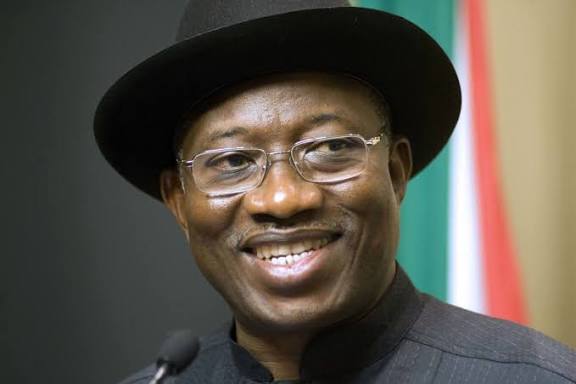
Dr. Goodluck Jonathan has enjoyed a remarkable political rehabilitation since 2015. His graceful concession of defeat made him a global symbol of democratic maturity, and his work as an international mediator has burnished his image abroad. Domestically, he is remembered, thus, selectively, as a leader during a relatively stable economic period.
If Jonathan were to re-emerge as PDP’s standard-bearer, his candidacy could unify older constituencies of the party. But Jonathan also represents the “old guard,” and it is uncertain whether a younger, restive electorate would embrace a recycled candidacy.
Here, ADC enters the frame. Jonathan’s moral stature and the ADC’s outsider branding could, in theory, combine into a reformist platform. Yet, the practical question remains: does Jonathan still have the political energy, and would ADC’s modest structure be sufficient to carry him to Aso Rock?
Peter Obi: The People’s Voice, PDP’s Wildcard, ADC’s Best Bet
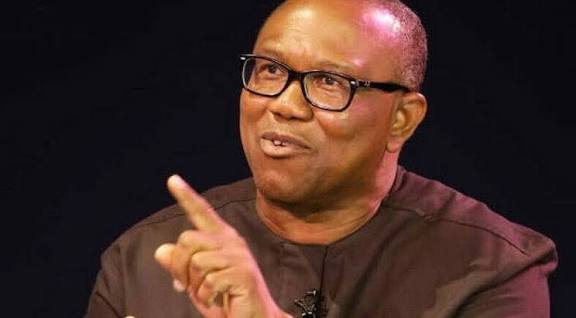
Peter Obi was the revelation of the 2023 general elections and beyond. His Labour Party campaign electrified young Nigerians, creating the “Obidient” movement that shook the APC-PDP stranglehold. He brought moral clarity, fiscal discipline, and reformist energy into the national conversation.
But 2023 also exposed Obi’s weakness: structure. Labour Party lacked the nationwide ground game needed to protect votes and mobilize at the grassroots. Going into 2027, Obi faces a choice. He could return to PDP, which offers a robust nationwide structure but comes with baggage. Or he could align with ADC, which, though smaller, is actively positioning itself as a “third force” platform that can give credibility to reformist politics.
Of all the scenarios, a PDP-ADC coalition behind Obi would be the most formidable challenge to Tinubu. PDP provides structure, ADC provides freshness, and Obi provides authenticity. Together, they could unify the restless middle class, youth voters, and traditional PDP strongholds.
Rotimi Amaechi: The Bridge Candidate
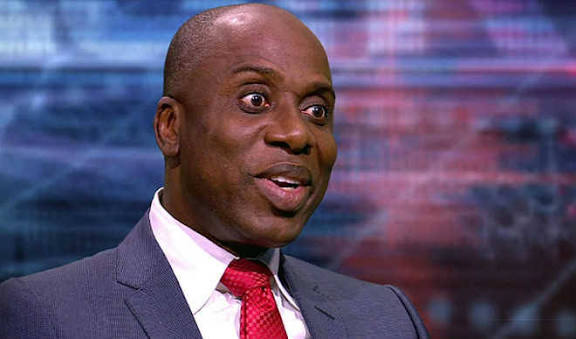
Rotimi Amaechi is one of Nigeria’s most experienced politicians, with roots in both PDP and APC. His tenure as governor of Rivers State and later as Minister of Transportation gave him national exposure and strategic networks.
Yet Amaechi’s greatest challenge is trust. His defection from PDP to APC in 2013 and his later estrangement from Tinubu have left him politically homeless. PDP may never fully trust him, APC may not embrace him again, and Labour Party is unlikely to give him space.
For Amaechi, ADC could present an alternative. The party has cultivated a reputation for openness to technocrats and reform-minded figures, and Amaechi’s independent streak might align with such positioning. However, without PDP’s structure or Obi’s momentum, an Amaechi-ADC ticket would likely struggle to break into the top tier of contenders.
The ADC Factor: Spoiler or Kingmaker?
Historically, “third force” parties in Nigeria have struggled to make a dent at the national level. Yet, the ADC has survived longer than most, building networks among civil society, technocrats, and young professionals. In a political landscape where voters are increasingly disenchanted with both APC and PDP, ADC could be the vehicle that tips the balance.
Its greatest value in 2027 may not be in winning outright, but in shaping the direction of the opposition. If ADC aligns with PDP behind a candidate like Obi, it strengthens the opposition’s credibility and expands voter appeal. If it runs separately, it risks splitting the reformist vote and handing Tinubu an easier path to re-election.
Tinubu and the Incumbency Advantage
Against this backdrop stands Bola Ahmed Tinubu. For all his controversies, Tinubu remains Nigeria’s most formidable political strategist, with strongholds in the South-West, inroads in the North, and now a grip on Rivers State. His incumbency brings the advantages of resources, networks, and the ability to reward loyalty, and sometimes, disloyalty.
Breaking Tinubu’s hold in 2027 will require more than moral arguments; it will demand a united and well-resourced opposition. This is where PDP and ADC must make strategic choices. Division is defeat; coalition is the only viable path.
Coalition or Collapse
As things stand, Peter Obi—backed by a PDP-ADC alliance—represents the opposition’s best chance of mounting a credible challenge. Jonathan risks being a nostalgia candidate, and Amaechi lacks the trust to unify broad coalitions. Obi, by contrast, has authenticity, youth appeal, and momentum. What he lacks is structure, which PDP offers, and legitimacy as a reformist platform, which ADC provides.
If PDP and ADC can set aside ego and short-term interests to build a coalition around a candidate with Obi’s profile, 2027 could see a genuine contest between competing visions of Nigeria’s future. If they cannot, Tinubu’s re-election becomes a near-certainty, and the opposition risks becoming a spectator in its own democracy.
In the end, the 2027 question is not only about personalities but about alliances. The resurgence of PDP, the growing relevance of ADC, and the restless energy of Nigeria’s electorate together create an opportunity. Whether that opportunity is seized—or squandered—will define not only the fate of the opposition but the credibility of Nigeria’s democracy.