When the River Still Flows: Reflections from a Niger Delta Digital History Launch
By Jerry Adesewo
I attended the launch of the Niger Delta Digital History Museum and the accompanying book and documentary not merely as a guest, but as a witness—one listening for meaning beneath ceremony, beneath applause, beneath the familiar language of development and reform.
READ ALSO: Japan Opens Career Advice Bar Offering Free Drinks, Job Guidance
What unfolded at the Orisun Art Gallery that night was not just an event. It was a reckoning.
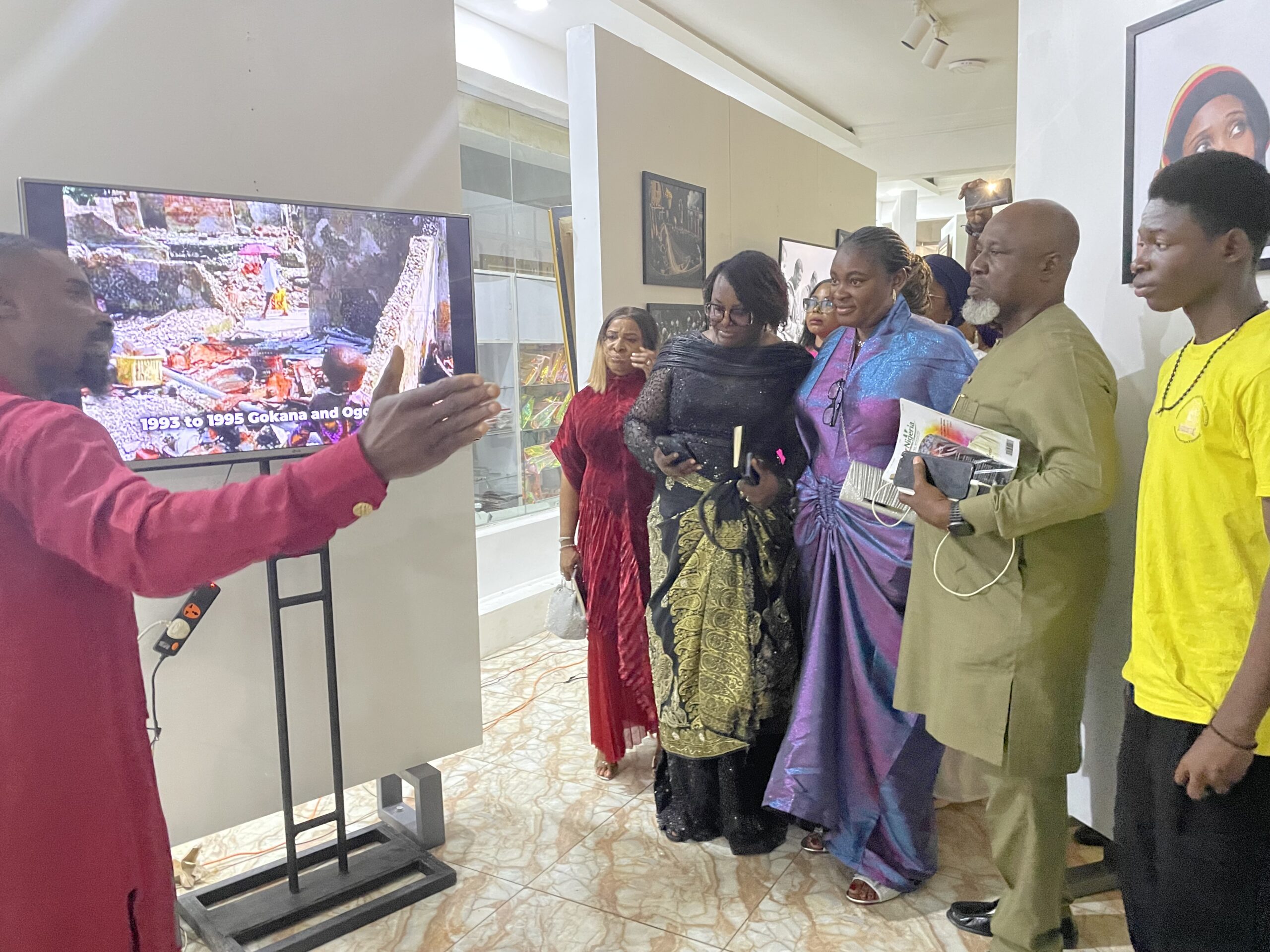
The Niger Delta is often discussed in Nigeria in fragments: oil, crisis, militancy, derivation, pipelines, protests. But this gathering insisted on something deeper and more unsettling—that before politics, before petroleum, before violence, there was memory; and that without memory, no development effort can truly endure.
The book (Gods of the Delta by Edward Brisibe), and documentary unveiled along with the digital museum, do not flatter the region, nor do they indict it cheaply. Instead, they restore complexity. Through careful narration, imagery, and digital storytelling, the Niger Delta re-emerged not as a problem to be managed, but as a civilization shaped by water, trade, culture, and resistance. Rivers were not just geography; they were law, economy, and identity. Mangroves were not wastelands; they were protection, sustenance, and home.
As the book reviewer, what struck me most was not the volume of historical detail, but the discipline of perspective. The author chose memory and lived experience over polemics. Politics was present, but not dominant. Oil was acknowledged, but not allowed to define everything. Instead, the work returned us to first principles: what is a delta, who are its people, and how did they live before extraction distorted the meaning of wealth?
The documentary, generated by artificial intelligence (AI), to tell a real life story of a people, reinforced this approach. Watching it, I sensed an intentional refusal to sensationalize pain. The familiar milestones—colonial disruption, the fall of traditional authority, environmental devastation, militancy, executions, amnesty—were all there. But they were framed within a longer arc: a people who have always adapted, negotiated, resisted, and imagined futures beyond imposed limits.
One recurring phrase stayed with me, and probably with all the participants in attendance: “The river still flows.” It was not used as a slogan, but as a thesis, as the event anchor, Goodness Alabi constantly brought to our consciousness. Despite everything—exile, fire, oil spills, broken promises, and killings—the river still flows. Memory still speaks. And that matters.
Several speakers reinforced this point.
Responding to comments about the peace in the Niger Delta, made by the author and project lead, Barrister Edward Brisibe, during the Author interview, Dr. Otive Igbuzor, Founding Executive Director of the African Centre for Leadership, Strategy and Development, and a former Deputy Chief of Staff to the former Deputy Senate President, Senator Ovie Omo-Agege, reminded us that the peace often cited in the Niger Delta today is fragile, even deceptive. Injustices that birthed conflict have not vanished; they have merely been managed. Amnesty calmed the waters, but did not cleanse them. His intervention was sobering, and necessary. Hope without honesty is denial.
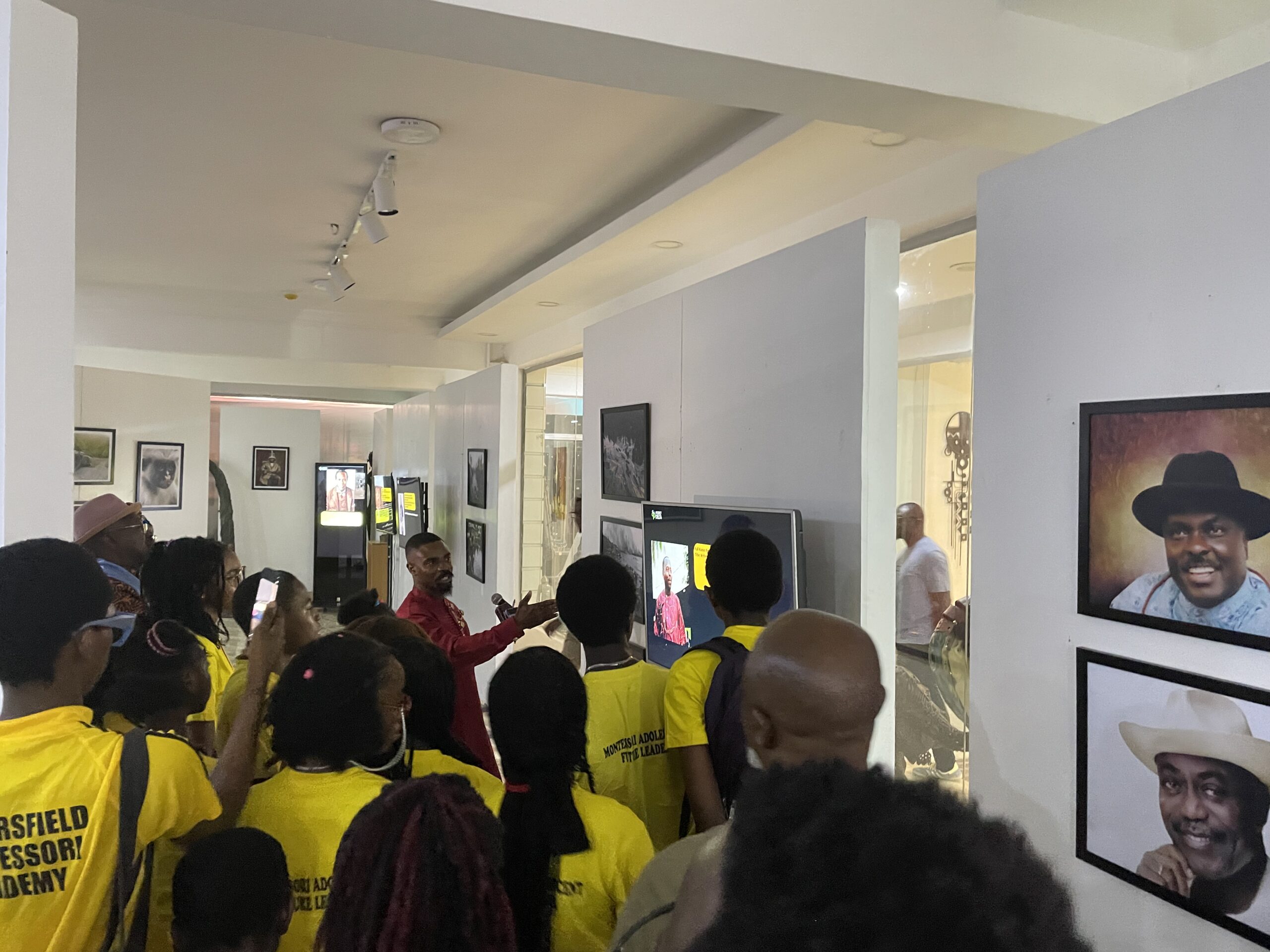
Yet the evening did not descend into despair. What made it compelling was the insistence on agency. Again and again, speakers returned to youth—not as victims, but as custodians of the next chapter. Technology, artificial intelligence, digital archives, and creative industries were not presented as buzzwords, but as tools for reclaiming narrative and building livelihoods, targeting the young people of Niger Delta. The idea of a digital history museum was, in itself, a statement: that heritage can be dynamic, interactive, and relevant to a generation raised online.
Dr. Otive captured it succinctly: development is not only about roads and bridges; it is also about meaning. Institutions that forget this build infrastructure without soul. Societies that preserve memory plan better futures.
From a national perspective, this matters. Nigeria often treats history as either propaganda or nostalgia. Young people, disconnected from credible historical narratives, grow cynical or indifferent. This initiative pushes back against that trend. By meeting young people where they already are—digitally—it restores trust in history as something living, not dusty. Though sadly, only a handful of young people witnessed this exhibition, which was only for one day. Such an exhibition should have lasted a whole week or more, for as many young people as possible to visit it.
As I left the venue, I thought about what this means for Our Nigeria News Magazine. We talk endlessly about unity, growth, and reform, yet we rarely ask whether we truly understand ourselves. The Niger Delta story, when told fully, is not a regional footnote; it is central to Nigeria’s political economy, its moral questions, and its future possibilities.
The Niger Delta Project reminded me that Nigeria’s problem is not a lack of talent or ideas. It is a failure to align memory, institutions, and youth into a shared direction. When those three converge, even regions long defined by loss can redefine themselves as laboratories of possibility.
The river still flows.
The question is whether we are finally ready to flow with it—wisely, justly, and together.