

South Koreans Turn to ‘Prison Inside Me’ to Escape Stress, Reclaim Mental Calm
South Koreans Turn to ‘Prison Inside Me’ to Escape Stress, Reclaim Mental Calm

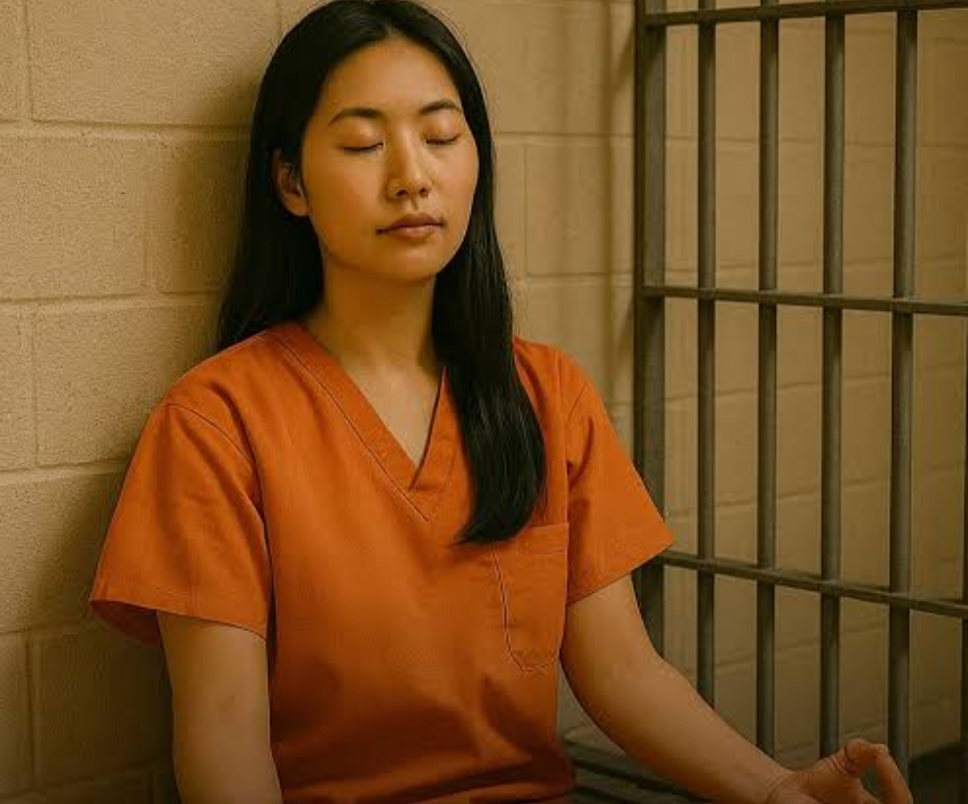
South Koreans Turn to ‘Prison Inside Me’ to Escape Stress, Reclaim Mental Calm
In South Korea, where long working hours and intense social expectations are a defining part of daily life, a growing number of people are choosing an unusual form of relief: voluntarily locking themselves inside a simulated prison.
ALSO READ: Influencer Sparks Global Buzz After Claiming Husband Bought $50 Million Island for Bikini Privacy
The facility, known as Prison Inside Me, offers participants the option of spending 24 or 48 hours in a small, bare cell designed to resemble a real prison environment. During the stay, participants wear simple uniforms, surrender all electronic devices, remain silent, and limit their activities to basic routines such as reading, writing, meditation, and eating modest meals.
Unlike traditional wellness retreats, the experience is intentionally austere. There is no conversation, no internet access, and no external stimulation. Organisers say the goal is not punishment, but mental reset—giving people space to disconnect from constant demands and reflect without distraction.
Many participants report that the strict silence and isolation help quiet their thoughts, reduce anxiety, and restore perspective. In a society where burnout is common and competition is intense, the controlled confinement is seen as a paradoxical form of freedom.
Mental health experts note that while the experience may not suit everyone, structured solitude can offer benefits such as improved self-awareness and emotional clarity when practiced safely. The popularity of Prison Inside Me highlights the lengths to which people are willing to go to find peace in an increasingly pressured world.
As stress-related challenges continue to rise, the concept serves as a striking reminder that sometimes, stepping away from freedom—briefly and by choice—can feel like regaining control.
South Koreans Turn to ‘Prison Inside Me’ to Escape Stress, Reclaim Mental Calm
