


A Queen for a Day: From Capitol Hill Cheers to Nigeria’s Hard Realities
By Matthew Eloyi
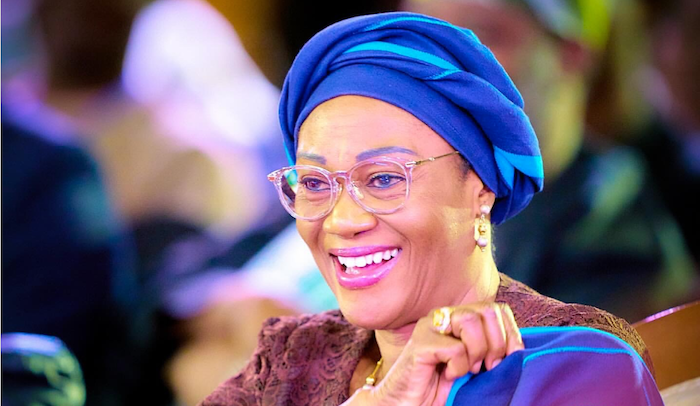
Last week on Capitol Hill in Washington, DC, a brief moment of theatre unfolded that would echo far louder in Nigeria than it ever did in the hall where it occurred. During the 74th Annual National Prayer Breakfast, U.S. President Donald Trump paused his speech to acknowledge Nigeria’s First Lady, Senator Oluremi Tinubu, describing her as a “very respected woman” and drawing warm applause from the audience.
It was a courteous diplomatic nod; the sort routinely exchanged in international gatherings. But in Nigeria, that fleeting gesture detonated into a storm of celebration. State actors, loyalists and regime enthusiasts elevated the moment into something far grander: a supposed diplomatic triumph, a validation of national prestige, a sign, we were told, that Nigeria had captured the admiration of the world.
Yet beneath the jubilation lies an uncomfortable question: why does a passing compliment from a foreign podium resonate so powerfully with segments of Nigeria’s political class, while the persistent struggles of Nigerians command far less urgency? Does that mean a soundbite from a foreign leader matter more than the lived realities of Nigerians?
Being acknowledged on a global stage can be flattering and even symbolically uplifting. But symbolism is not policy. Applause does not tame inflation, create employment or restore security to communities haunted by violence. It does not repair fragile institutions or rebuild public trust in governance. To treat a ceremonial courtesy as a milestone of national progress is to blur the line between optics and outcomes.
Still, the reaction was swift and emphatic. The presidency and prominent political figures like Senator Adams Oshiomhole rushed to social media to frame the praise as evidence of Nigeria’s growing stature. Official channels amplified every mention of the applause, while sympathetic commentators cast the episode as proof that the country was finally commanding global respect. The enthusiasm revealed a deeper truth about Nigeria’s political psychology: spectacle too often outruns substance, and moments of visibility are mistaken for markers of achievement.
In that instant on Capitol Hill, Oluremi Tinubu was transformed into a symbol: a queen for a day, crowned by admiration and celebrated as an emblem of national pride. But the metaphor is instructive. A crown fashioned from applause is delicate. It cannot feed the hungry, secure vulnerable communities or stabilise an economy under strain. It offers emotional gratification without material relief.
The irony is stark. A nation grappling with chronic insecurity watched its First Lady celebrated abroad for her presence while millions at home worried about their safety. An economy weighed down by inflation and unemployment was momentarily reframed as a story of international esteem. Meanwhile, Nigeria’s complex diplomatic realities, including persistent scrutiny from foreign partners over governance and human rights, were eclipsed by the glow of a single flattering moment.
The fervour surrounding the event has also exposed a widening divide. On one side are those who embrace external recognition as patriotic affirmation; on the other are citizens and commentators who insist that accountability and tangible results are the true currency of leadership. For the latter group, international niceties carry little weight without corresponding domestic progress. Their scepticism is not cynicism but a demand for proportion; a reminder that nations are ultimately judged by what they deliver to their people.
Nigeria does not diminish itself by accepting courtesy on the world stage. But it risks diminishing its priorities when it inflates symbolism into accomplishment. Genuine international respect is rarely secured through applause alone; it is earned through consistent governance, economic resilience and the protection of citizens’ welfare. These are the achievements that travel farther than any speech and linger longer than any ovation.
If Nigerians are to celebrate how their country is perceived abroad, that pride should rest on foundations that are solid and measurable: safer communities, expanding opportunities, transparent institutions and leaders whose credibility is built on performance rather than presentation. Until then, moments like the prayer breakfast remain what they truly are: pleasant diplomatic interludes, magnified by a political culture too eager to substitute recognition for results.
Leadership is not defined by a spotlight captured overseas. It is defined by the quieter, more demanding work of service at home. And no matter how dazzling the applause, a queen for a day must still return to a nation that expects and deserves far more than ceremony.
