

VeryDarkMan: When Activism Loses Its Moral Compass
VeryDarkMan: When Activism Loses Its Moral Compass

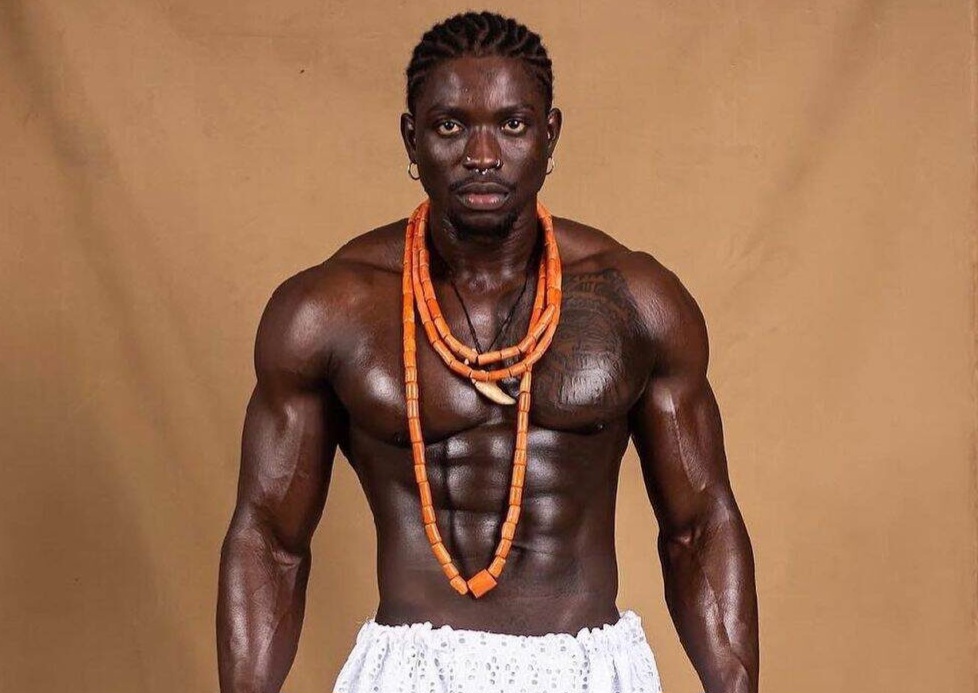
VeryDarkMan: When Activism Loses Its Moral Compass
By Ayshatu S. Rabo
Martins Vincent Otse, widely known as VeryDarkMan (VDM), has built a reputation as a loud, fearless online activist who takes on powerful individuals and institutions. In some moments, his interventions have helped amplify public grievances and force conversations Nigeria often avoids. In many other moments, however, his methods have crossed lines—hurting innocent people, damaging reputations, and undermining the very causes he claims to defend.
ALSO READ: Princess Nere Tereba: The Young Royal Breaking New Ground in Nigeria’s Gold Industry
A review of his public history shows a clear pattern: confrontation first, verification later. VDM has engaged in disputes with a long list of people and organizations—celebrities, lawyers, government agencies, religious figures, businesses, and private individuals. Some of these targets may indeed deserve scrutiny. Others, by their own accounts, were dragged into public disgrace without solid proof.
Several individuals he accused have stated openly that VDM made serious allegations without adequate, verified evidence, leading to defamation suits, arrests, and ongoing court cases. Activism loses its moral authority when claims are built on assumptions, leaked audios without context, or personal interpretations presented as fact.
One of the most damaging incidents was his claim that ₦180 million was stolen from an NGO account, which he later described as a “prank” meant to test Nigerians’ reactions. That single action did more harm than good. You do not test public consciousness by spreading false criminal allegations. That is not accountability—it is misinformation, and it destroys trust.
Equally troubling is the way VDM treats people—both those he calls “bad” and those who later turn out to be innocent. Insults, name-calling, dragging parents and families into disputes, and using abusive language have become part of his style. This is not courage; it is recklessness. You can speak truth without being indecent. You can criticize power without humiliating people.
There is also the question of role modeling. Many young Nigerians follow VDM closely. What are they learning? That it is acceptable to accuse first and verify later? That nudity, insults, and online aggression are tools of activism? That clout matters more than character? Nigeria is already struggling with values—public figures should not worsen it.
VDM often claims that “Nigeria is behind him.” That belief appears exaggerated. Public support is not the same as online noise or paid protests. Many Nigerians are simply watching—supporting accountability, yes, but rejecting chaos and personal vendettas disguised as activism.
Nobody is saying VDM should stop speaking against corruption or injustice. Nigeria needs voices that are bold. But boldness without discipline becomes dangerous. When you repeatedly accuse without proof, fight everyone—good and bad alike—and refuse self-correction, you stop being a reformer and start becoming part of the problem.
Before judging others, clean your own space. Before accusing, confirm your facts. Before teaching the nation, ask what example you are setting. If your goal is truly to help Nigeria, then maturity, responsibility, and truth must come before clout, rage, and constant conflict. Popularity without integrity does not last
Nigeria needs builders, not perpetual fighters.
VeryDarkMan: When Activism Loses Its Moral Compass
