

FG Reaffirms Commitment to Gender-Inclusive Water Access on World Water Day 2026
FG Reaffirms Commitment to Gender-Inclusive Water Access on World Water Day 2026

FG Reaffirms Commitment to Gender-Inclusive Water Access on World Water Day 2026
The Federal Government has reaffirmed its commitment to promoting gender-inclusive access to safe water and sanitation as a key driver of sustainable development and national growth.
ALSO READ: DGCA Calls for Constructive Engagement to Strengthen Industrial Relations in Aviation Sector
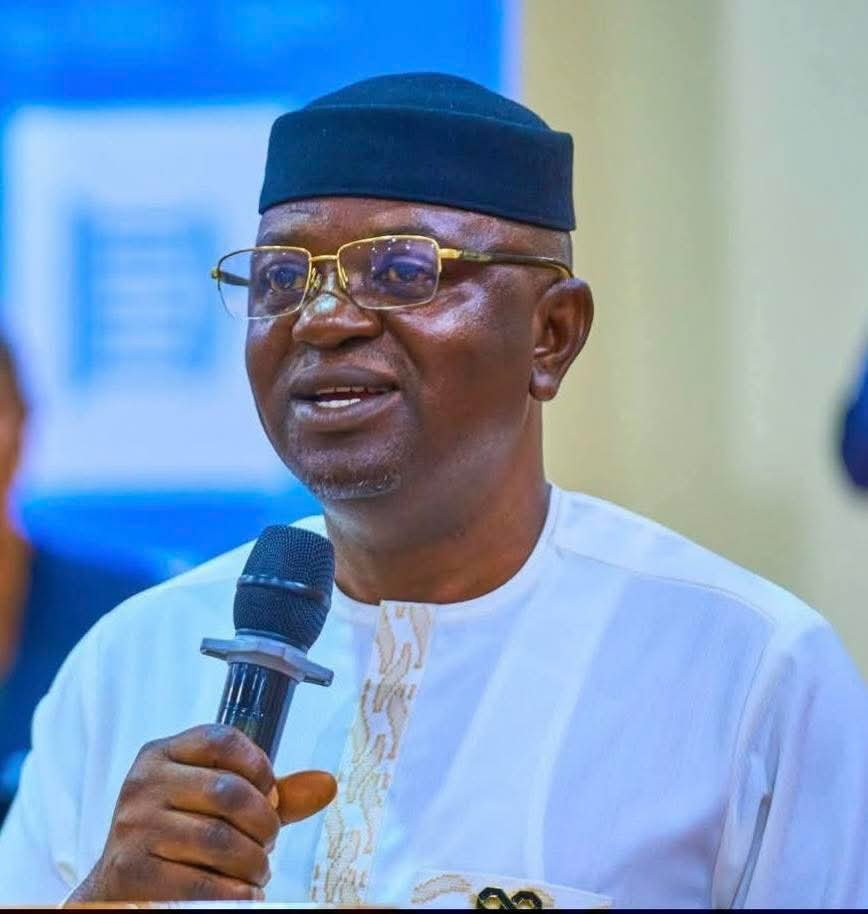
This was disclosed by the Honourable Minister of Water Resources and Sanitation, Joseph Terlumun Utsev, during a press briefing held in Abuja to commemorate World Water Day 2026.
Observed annually on March, World Water Day highlights the importance of freshwater and sustainable water management. The 2026 theme, “Water and Gender: Where Water Flows, Equality Grows,” underscores the strong link between access to water and gender equality.
Utsev emphasised that equitable access to clean water and sanitation is vital for improving the health, dignity, and economic opportunities of women and girls. He noted that sustainable water systems help reduce the burden of unpaid care work, boost girls’ school attendance, and enhance maternal and child health outcomes.
According to the Minister, the Ministry has constructed and rehabilitated over 6,700 water schemes nationwide, providing safe drinking water to more than 32 million Nigerians. He added that interventions such as solar-powered boreholes and water reticulation systems have been deployed, particularly in underserved communities.
On sanitation, he highlighted progress under the Clean Nigeria: Use the Toilet Campaign, which has resulted in the construction of over 5,200 public sanitation facilities and the certification of 162 Local Government Areas as open defecation-free.
The Minister also noted that, through partnerships with organisations such as UNICEF, UNESCO, and the World Bank, initiatives like SURWASH and PEWASH are delivering inclusive water, sanitation, and hygiene (WASH) services across 17 states and the FCT.
He further stated that ongoing irrigation and water infrastructure projects are contributing to food security and economic empowerment, particularly for women, while stressing the importance of increasing female participation in decision-making and adopting gender-sensitive data for planning.
Looking ahead, Utsev identified sustained investment, stronger collaboration among stakeholders, and political will as essential to achieving universal access to water and sanitation by 2030.
“World Water Day 2026 is a call to action. We must ensure that water becomes a tool for equality, empowerment, and sustainable development,” he said.
In her remarks, Permanent Secretary, Dr. Emanso Umobong, represented by Dr. Shola Adebiyi Tajudeen, reiterated that limited access to water and sanitation disproportionately affects women and girls, restricting their opportunities.
Also speaking, UNICEF WASH Manager, Mr. Chiranjibi Tiwari, described Nigeria’s water challenge as a gender issue and called for stronger gender-sensitive policies and data-driven solutions.
Highlights of the event included goodwill messages from development partners, a presentation of the World Water Development Report by UNESCO, and a book presentation by UNICEF.
As part of the commemoration, a public sensitisation campaign was held in Lugbe, Abuja, featuring student presentations, a hygiene video competition, and the distribution of menstrual hygiene kits.
Stakeholders at the event reaffirmed their commitment to strengthening collaboration in advancing water access and sanitation for all Nigerians.


FG Reaffirms Commitment to Gender-Inclusive Water Access on World Water Day 2026
