

Akinfenwa Accuses Government of Economic Dishonesty, Says Nigerians Being “Insulted” by Official Narratives

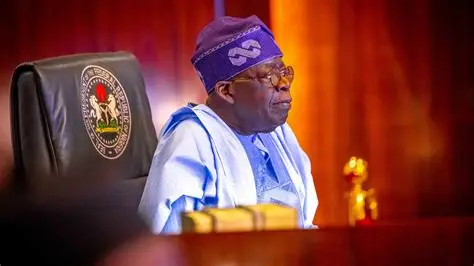
Akinfenwa Accuses Government of Economic Dishonesty, Says Nigerians Being “Insulted” by Official Narratives
By Jerry Adesewo
Chief Akinwumi Akinfenwa, a political scientist, public policy analyst, and social commentator based in Ibadan, has criticised the Federal Government’s handling and communication of Nigeria’s economic situation, accusing officials of promoting what he described as an economic success story that is disconnected from the lived realities of millions of Nigerians.
In a strongly worded commentary released on Tuesday, and which has gone viral, Akinfenwa argued that Nigeria’s economic crisis has moved beyond policy errors into what he termed “official dishonesty,” warning that repeated assurances of recovery amount to “talking down to a suffering population.”
READ ALSO: Bauchi Teen Girl Zulaihat Amazes Nation by Handwriting the Entire Holy Quran
According to him, claims of economic improvement based on official statistics do not reflect conditions on the ground. He questioned who exactly is benefiting from reported indicators such as GDP growth, easing inflation, and fiscal discipline, noting that traders struggle to restock, civil servants’ salaries are eroded by inflation, graduates remain unemployed, and families are increasingly skipping meals.
“When statistics are deployed to cancel hunger, that is no longer leadership; it is propaganda,” Akinfenwa said.
He cited World Bank estimates indicating that over 130 million Nigerians are living in poverty, describing the figure as evidence of a worsening humanitarian and economic situation. He faulted the government’s response, accusing it of denial, deflection, and a failure to take emergency action to protect vulnerable citizens.
Akinfenwa also criticised recent economic reforms, including fuel subsidy removal, currency liberalisation, and new tax measures, arguing that they were implemented rapidly without adequate social safety nets, wage protection, or food security measures.
He said the immediate effects of these policies included rising transport costs, soaring food prices, the collapse of small businesses, and declining purchasing power, adding that official declarations that “the worst is over” do not align with public experience.
On taxation, Akinfenwa warned that increasing tax pressure in an economy marked by falling real incomes and widespread unemployment amounts to “taxing poverty,” which he described as unsustainable and unjust. He argued that economic recovery should prioritise production, job creation, and citizen protection rather than revenue extraction.
He further rejected narratives suggesting that widespread suffering is a necessary precondition for future prosperity, stating that there is no economic principle that justifies reforms that deepen hardship or ignore hunger.
According to him, public anger is growing not because Nigerians lack economic understanding, but because they recognise injustice and contradictions between official narratives and daily realities.
“No society survives indefinitely on denial and deprivation,” Akinfenwa warned, cautioning that sustained hardship and perceived indifference could undermine public trust and social stability.
He concluded by urging government officials to prioritise honesty, empathy, and tangible relief measures, insisting that Nigerians are not demanding miracles but expect leadership that acknowledges their pain and responds meaningfully.