


Benue @ 50: A Golden Land in a Rusted Cage
By Matthew Eloyi
Today, February 3, 2026, Benue State, carved out of the former Benue-Plateau State on this day in 1976, marks its 50th anniversary. Five decades on, the state remains a paradox: abundantly blessed yet desperately underdeveloped; rich in resources yet poor in sustained human progress. Created with promise under the military administration of General Murtala Mohammed, the state was meant to be a beacon of agricultural prosperity and regional advancement. But half a century later, its potential is still largely unrealised.
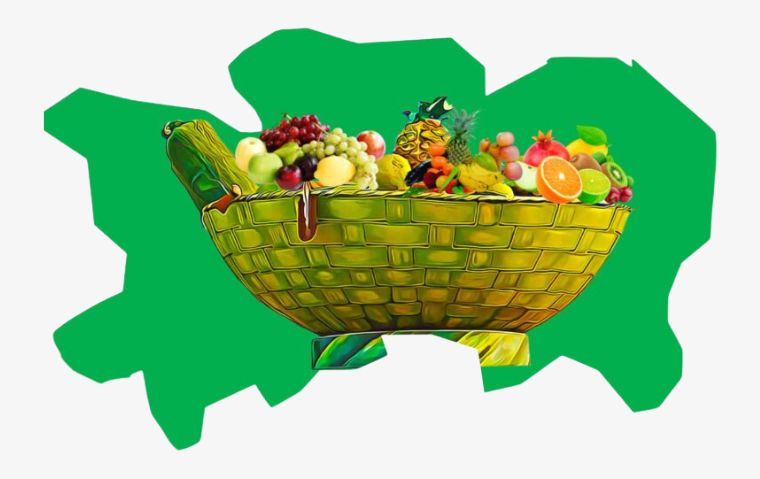
Benue’s very geography tells a story of wasted promise. Nicknamed the “Food Basket of the Nation,” the state boasts fertile soils, sprawling plains, and a climate suited for diverse crops: from yams and rice to maize and soybeans, with farmers producing more than 70 per cent of Nigeria’s soya beans and vast quantities of staple foods that sustain millions beyond its borders. The great River Benue slices through its heart, presenting enormous opportunities for inland navigation, irrigation, and fishing. Mineral wealth, from limestone and gypsum to gemstones and potential hydrocarbon deposits, lies beneath its soil.
Yet, this natural bounty has not translated into structural development, industrialisation, or sustained economic growth. For generations, Benue’s citizens have watched as leaders at the helm deliver an annual cycle of unfulfilled promises, superficial projects, and governance that seems as fertile as the land, yet equally barren in outcomes.
Despite abundant resources and significant federal allocations over the years, Benue’s infrastructure has lagged. Roads remain deplorable, health facilities dilapidated, and access to quality education uneven and tenuous. Even basic social services that should uplift human dignity have stagnated. Critics have repeatedly pointed to an absence of real developmental projects funded by state resources, with infrastructure improvement remaining minimal or cosmetic at best.
This failure of leadership is not just about neglect. It is about choices and priorities that have consistently missed the mark. Administrations have often focused more on accruing debts and political symbolism than on building economic foundations for the future. Borrowing has ballooned, yet the cost of governance appears to outpace any meaningful return on development.
The human cost of this misgovernance is painfully evident. Insecurity has severely disrupted farming, the backbone of the state’s economy, reducing agricultural output and eroding livelihoods. Violent conflicts between herders and farmers have repeatedly shattered communities and discouraged investment, leaving fields uncultivated and families displaced.
What makes this state’s stagnation even more striking is that the shortfalls are not due to a lack of resources or human capital; Benue has both in abundance but a chronic lack of visionary leadership, accountability, and governance that prioritizes long-term development over political patronage and rent-seeking. Scholars have noted that the gap between governance and development in Benue is a structural one; good governance practices (transparency, accountability, and consistent public-oriented policy) have too often been missing from the agenda.
As Benue turns 50, it confronts a defining question: will its next half-century be one of transformation, or will it remain the story of riches unseen and potential unfulfilled? If the state’s political leaders, past and present, have any sense of responsibility to history, to the farmers who feed the nation, and to the young people yearning for opportunity, the answer must be a resounding call to action.
