

The Fall of “El Mencho”: A Cartel Kingpin’s Rise, Reign and Violent End
The Fall of “El Mencho”: A Cartel Kingpin’s Rise, Reign and Violent End

The Fall of “El Mencho”: A Cartel Kingpin’s Rise, Reign and Violent End
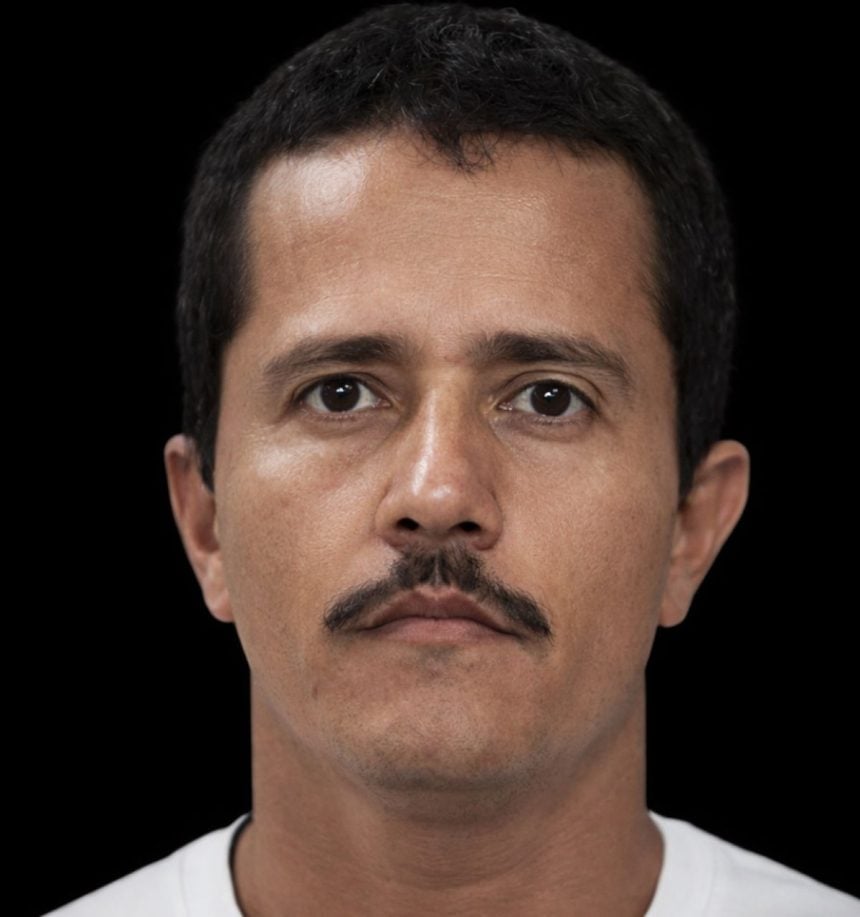
For years, the name Nemesio Oseguera Cervantes — better known as “El Mencho” — symbolised the brutal ascent of one of Mexico’s most feared criminal empires, the Jalisco New Generation Cartel (CJNG).
ALSO READ: Peter Okoye Retracts Claim Over Access to Northside Entertainment Account in $1m Fraud Trial
This week, that chapter closed in a blaze of gunfire in the wooded hills outside Tapalpa, Jalisco, as Mexican special forces, backed by U.S. intelligence, fatally wounded the 59-year-old kingpin during a high-risk operation. His death marks one of the most consequential blows to organised crime in Mexico in recent years — and has unleashed a wave of violent retaliation across the country.
From Rural Roots to Criminal Powerhouse
Born in the rural western state of Michoacán, Oseguera’s path to notoriety began modestly. As a young man, he worked in marijuana fields before migrating to the United States in the 1980s as an undocumented labourer. Arrests in California for narcotics offences led to a prison sentence and eventual deportation to Mexico at age 30.
Back home, he embedded himself in cartel networks, rising through the ranks of the Milenio Cartel. When that organisation fractured, Oseguera seized the moment. From its remnants, he built the CJNG — a group that would grow with remarkable speed into arguably Mexico’s most dominant criminal force.
Aggressive territorial expansion, diversification into synthetic drugs like fentanyl and methamphetamine, and ruthless enforcement tactics defined his leadership. The cartel’s ascent accelerated after the extradition of Joaquín “El Chapo” Guzmán, whose removal destabilised the rival Sinaloa Cartel and created a vacuum CJNG was quick to exploit.
The Operation in Tapalpa
According to Mexico’s Defence Secretary, Ricardo Trevilla Trejo, military intelligence tracked a courier linked to one of Oseguera’s romantic partners, who led authorities to a secluded cabin outside Tapalpa. After confirming the cartel leader remained at the property with a small security detail, Army Special Forces and National Guard units launched a coordinated raid supported by U.S. intelligence.
Security forces encountered fierce resistance. Gunmen reportedly opened fire with high-calibre weapons, forcing a helicopter into an emergency landing — a chilling echo of a failed 2015 attempt to capture Oseguera, when his fighters shot down a military helicopter.
The confrontation spilled into nearby woodland as Oseguera attempted to flee. He was wounded in a firefight and later died while being transported for medical treatment. Seven of his men were killed in the initial clash, while two soldiers were wounded. Weapons, including rifles and grenade launchers, were seized.
Cartel Fury Erupts Nationwide
The response from CJNG operatives was immediate and coordinated. Nearly 100 major roads were blocked across multiple states, vehicles were torched, and gunmen attacked security forces from Jalisco and Michoacán to Guerrero and Tamaulipas. Even Mexico City reported incidents.
In Guadalajara — one of the host cities for this summer’s FIFA World Cup — masked men set businesses ablaze. In the resort city of Puerto Vallarta, tourists and residents sheltered indoors as violence rippled outward.
Security Minister Omar García Harfuch reported that 25 National Guard members were killed and 14 wounded in the retaliatory clashes, alongside 34 gunmen and one civilian. Around 70 suspects were arrested nationwide.
Authorities later confirmed the death of Hugo César Macías Ureña, alias “El Tuli,” a senior CJNG lieutenant accused of coordinating the wave of violence and allegedly offering bounties for dead soldiers.
By Monday, officials said major blockades had been cleared, though sporadic unrest persisted in parts of Michoacán and Jalisco. Schools remained closed in several areas, and some airlines delayed full service to affected cities.
Political and Cross-Border Implications
President Claudia Sheinbaum described the country as “calm” and reaffirmed the government’s commitment to restoring order. The operation’s reported involvement of U.S. intelligence signals deepening security cooperation between Mexico and Washington, particularly amid pressure from U.S. President Donald Trump for stronger action against fentanyl trafficking.
For both governments, the elimination of a cartel leader with a reported $15 million U.S. bounty represents a high-profile success. For Mexico’s military, it removes a central figure whose strategic leadership was critical to CJNG’s rise.
A Power Vacuum — or a Passing Storm?
Yet history suggests that removing a cartel boss does not automatically dismantle the organisation. Analysts note that such groups often have multiple lieutenants prepared to step into leadership roles. Whether CJNG fragments, consolidates under a successor, or escalates violence remains uncertain.
For now, Mexicans are left grappling with the spectacle of a cartel kingpin’s violent end — and the flames that followed it.
El Mencho’s rise was built on ambition and brutality. His fall, equally dramatic, underscores both the reach of the Mexican state and the enduring volatility of the country’s battle against organised crime.
The Fall of “El Mencho”: A Cartel Kingpin’s Rise, Reign and Violent End
