

The Decade-Long Manhunt: Inside the Intelligence Operation That Led to Osama bin Laden’s Fall
The Decade-Long Manhunt: Inside the Intelligence Operation That Led to Osama bin Laden’s Fall

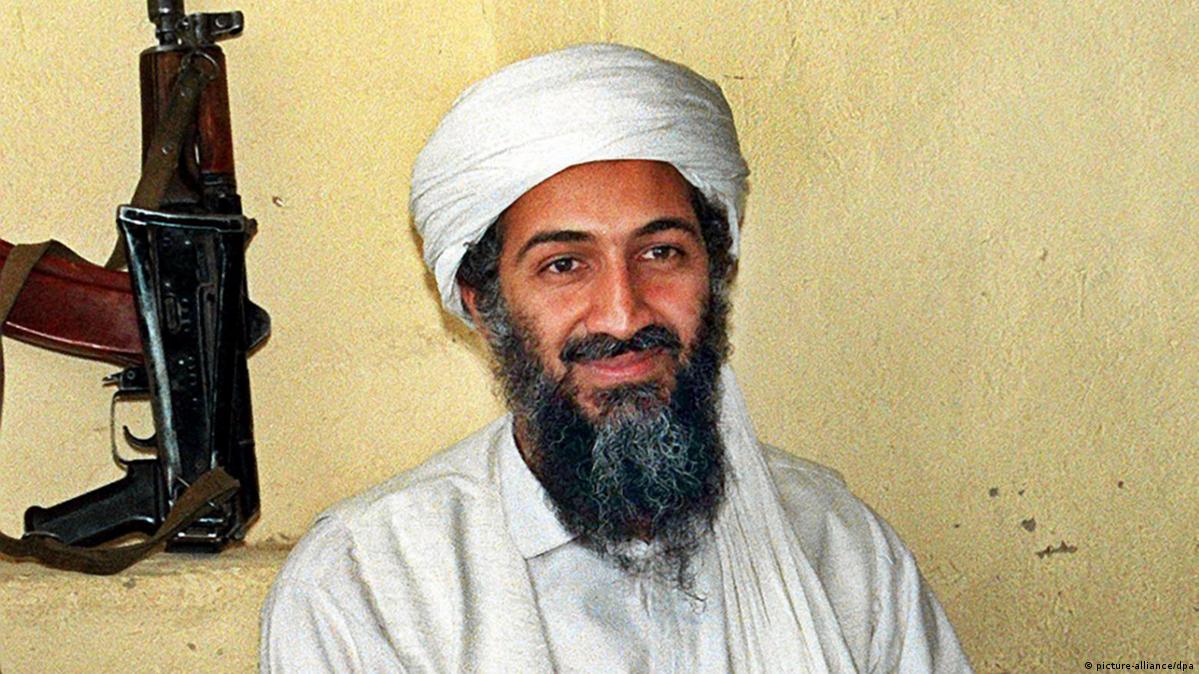
The Decade-Long Manhunt: Inside the Intelligence Operation That Led to Osama bin Laden’s Fall
For nearly a decade after the September 11, 2001 attacks, Osama bin Laden existed more as a symbol than a man — a shadowy figure whose name defined global fear, war, and an era of relentless counterterrorism. As the founder of al-Qaeda and architect of the deadliest terrorist attack in modern history, bin Laden became the world’s most wanted fugitive, evading capture despite the vast military and intelligence resources deployed to find him.
READ ALSO: Gambia’s Defence Minister, Deputy CDS Sworn In as Armed Forces Council Members
The pursuit was exhaustive and often frustrating. From the rugged caves of Afghanistan’s Tora Bora mountains to safe houses scattered across South Asia, bin Laden’s trail repeatedly went cold. His ability to disappear, aided by loyal operatives and an aversion to modern technology, fueled speculation and anxiety worldwide. Years passed, wars were fought, and leadership changed — yet the man at the center of it all remained unseen.
The breakthrough did not come through large-scale military operations but through painstaking intelligence work. Analysts began to focus on a trusted courier believed to be part of bin Laden’s inner circle. By tracking this individual, intelligence agencies slowly pieced together a clearer picture of al-Qaeda’s remaining leadership structure. The courier’s movements eventually led to an unusual compound in Abbottabad, Pakistan — a quiet town that also housed a major military academy.
The residence stood out. It was surrounded by high walls topped with barbed wire, had no telephone or internet connections, and its occupants burned their own trash rather than disposing of it publicly. The behavior of those inside matched long-known patterns associated with bin Laden’s lifestyle: extreme secrecy, limited exposure, and reliance on trusted messengers. By early 2011, U.S. intelligence officials assessed with high confidence that the al-Qaeda leader was hiding there.
What followed was one of the most closely guarded and risky operations in modern military history. Codenamed Operation Neptune Spear, the mission unfolded in the early hours of May 2, 2011. U.S. Navy SEALs were flown into Abbottabad aboard stealth helicopters in a daring nighttime raid. Within roughly 40 minutes, the operation was over. Several occupants of the compound were killed, including Osama bin Laden, whose identity was confirmed through multiple verification methods.
His death marked the end of a manhunt that had consumed global attention for nearly ten years. Bin Laden’s body was buried at sea in accordance with Islamic tradition, closing a chapter that had shaped international politics, security policies, and military strategy across continents.
Yet the end of bin Laden did not mean the end of the ideology he championed. Al-Qaeda’s influence diminished, but extremist movements inspired by his worldview continued to pose security challenges worldwide. His legacy remains complex — a reminder of how one individual, operating from the shadows, reshaped global history and how intelligence, patience, and persistence ultimately brought that chapter to a close.
The hunt for Osama bin Laden ended not on a battlefield, but in a quiet suburb — underscoring a defining lesson of the modern age: in an era of global conflict, information can be as decisive as force, and the most consequential victories are often won long before the final moment arrives.
The Decade-Long Manhunt: Inside the Intelligence Operation That Led to Osama bin Laden’s Fall
