

Margaret Ekpo: The Schoolteacher Who Turned Everyday Struggles into a Movement for Women’s Political Freedom
Margaret Ekpo: The Schoolteacher Who Turned Everyday Struggles into a Movement for Women's Political Freedom

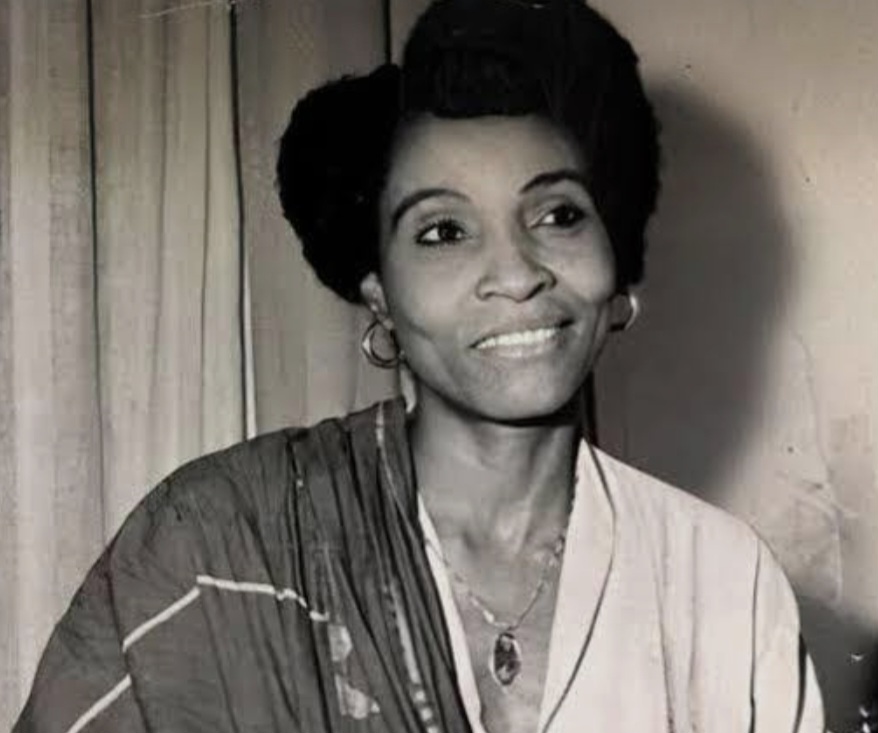
Margaret Ekpo: The Schoolteacher Who Turned Everyday Struggles into a Movement for Women’s Political Freedom
In Nigeria’s journey toward independence and democracy, few women left a legacy as enduring as Chief Margaret Ekpo. A teacher, activist, politician and champion of women’s rights, she transformed ordinary community gatherings into a powerful movement that gave thousands of Nigerian women a political voice.
Born Margaret Oku on 27 July 1914 in Creek Town, present-day Cross River State, she spent her early years in different parts of southern Nigeria, where she received her education before beginning her career as a schoolteacher.
In 1938, she married Dr. John Udo Ekpo, a medical doctor whose work and political interests would influence her future. As colonial regulations often restricted civil servants from active political participation, Margaret occasionally attended political meetings on behalf of her husband. Those meetings opened her eyes to the inequalities of colonial rule and the exclusion of women from decision-making.
Determined to make a difference, she travelled to Ireland in the early 1940s to study Domestic Science at the Rathmines School of Domestic Economy in Dublin. After returning to Nigeria, she combined her passion for education with a growing commitment to public service and political activism.
One of the most remarkable stories associated with Margaret Ekpo emerged in the years following the Second World War, when shortages of essential goods affected many Nigerian communities. During a period when salt became scarce, she reportedly purchased large quantities and distributed them through her women’s association. What attracted many women initially was the opportunity to obtain a much-needed household item. But as they gathered, Margaret encouraged conversations about education, leadership, voting rights and the need for women to participate in politics.
Those meetings evolved into organised political mobilisation. Through women’s organisations and market associations in Aba, she inspired thousands of women to register, organise and demand representation in public affairs, helping to strengthen Nigeria’s nationalist movement.
Her growing influence led to active involvement in the National Council of Nigeria and the Cameroons (NCNC), where she became one of the country’s most respected female political leaders.
In 1961, Margaret Ekpo made history when she was elected to the Eastern Regional House of Assembly, becoming one of Nigeria’s pioneering female lawmakers. Throughout her years in public office, she consistently advocated for women’s political participation, education, healthcare and social welfare.
Although military rule later interrupted democratic governance, Margaret Ekpo remained a respected national figure whose contributions continued to inspire generations of women leaders.
Her achievements have been recognised across Nigeria. In her honour, Margaret Ekpo International Airport in Calabar bears her name, serving as a lasting reminder of her contributions to the nation’s political development and the advancement of women.
Chief Margaret Ekpo died on 21 September 2006 at the age of 92, leaving behind a legacy that extends far beyond politics.
From a classroom teacher to one of Nigeria’s foremost female political pioneers, Margaret Ekpo demonstrated that meaningful change often begins with simple acts of service. What started as helping women through difficult times grew into a movement that challenged barriers, expanded political participation and reshaped the role of women in Nigerian public life. Her story remains one of courage, leadership and an unwavering belief that every citizen deserves a voice in shaping the future of the nation.
Margaret Ekpo: The Schoolteacher Who Turned Everyday Struggles into a Movement for Women’s Political Freedom
