


Abuja’s Expanding Edges: The Quiet Strain of Rising Rents in the Suburbs
By Matthew Eloyi
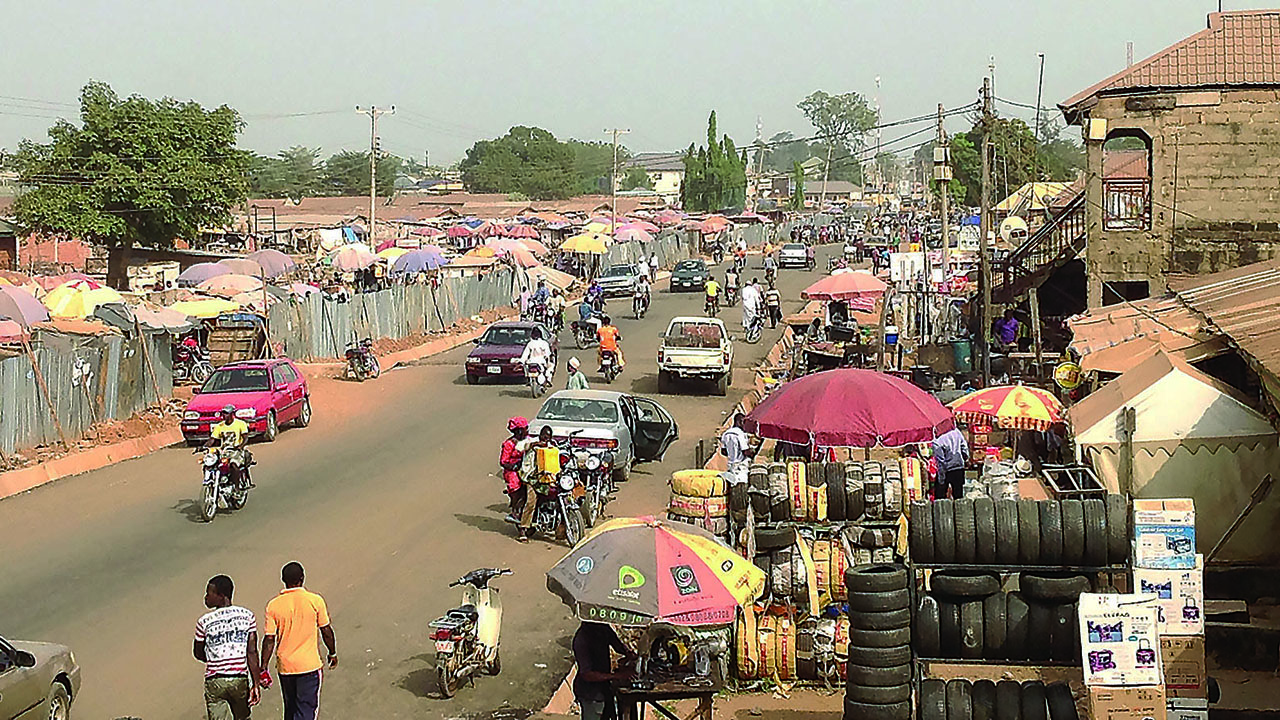
On the dusty outskirts of Nigeria’s capital, where the city’s gleaming skyline fades into a patchwork of half-finished buildings and sprawling settlements, a different kind of pressure is mounting; one that is less visible than traffic congestion or political tension, but no less urgent. It is the steady, unrelenting rise in the cost of accommodation across Abuja’s suburbs, a development that is reshaping lives, displacing families, and redefining what it means to seek affordable housing in the Federal Capital Territory.
In communities such as Jikwoyi, Nyanya, Kubwa, Lugbe, Gwarinpa’s fringes, Kuje, and Mpape, residents say the dream of escaping the high rents of central Abuja has become increasingly elusive. What were once considered affordable alternatives are now experiencing rent spikes that rival, and in some cases approach, those in more established districts.
“I moved to Nyanya three years ago because I couldn’t keep up with the rent in town,” said Chinedu Okafor, a civil servant who shares a modest two-bedroom apartment with his family of five. “Back then, it felt like a smart decision. But now, my landlord has increased the rent twice in two years. I’m beginning to wonder where else we can go.”
Chinedu’s story echoes across many households. Interviews with tenants reveal a pattern of frequent rent hikes, often without corresponding improvements in infrastructure or services. In Mpape, a hillside settlement known for its proximity to the city centre despite its informal layout, residents described similar challenges.
Ojonungwa Joseph, a petty trader, recalled how her rent for a single room has nearly doubled since 2023. “There is still no proper water supply, no good roads, and electricity is unreliable,” she said. “Yet every year, the landlord says the price has gone up because ‘Abuja is developing.’ But we are not seeing that development here.”
Landlords, on the other hand, point to their own rising costs. The price of building materials, maintenance, and even land acquisition has surged in recent years, driven by inflation and broader economic pressures. For many property owners, increasing rent is seen as a necessary adjustment.
“It’s not that we enjoy raising rents,” said a landlord in Jikwoyi who preferred not to be named. “Cement, iron rods, labour, everything has become more expensive. If we don’t adjust, we cannot maintain the property or recover our investment.”
Urban development experts suggest that both perspectives are valid, but the underlying issue is more complex. Abuja’s rapid population growth, fueled by migration from other parts of the country, has placed immense pressure on housing supply. As the city expands outward, demand for suburban accommodation has intensified, outpacing the rate at which new housing is being developed.
“There is a structural imbalance,” explained a housing analyst based in the capital. “People are moving to Abuja faster than homes are being built, especially affordable homes. The suburbs are absorbing this pressure, but without adequate planning or regulation, prices are rising in a way that is unsustainable for many residents.”
Transportation costs further complicate the situation. While suburban housing may still be relatively cheaper than central districts, the daily commute into the city center can be both time-consuming and expensive. For workers like Chinedu, the combined burden of rent and transportation is becoming increasingly difficult to manage.
“I spend almost as much on transport as I save on rent,” he said. “And with fuel prices going up, it’s only getting worse.”
The ripple effects extend beyond individual households. Small businesses in suburban areas report that customers are cutting back on spending as more of their income is consumed by rent. Schools and healthcare providers also note that families are struggling to keep up with fees, leading to difficult choices about education and well-being.
In Kuje, a satellite town once considered far removed from Abuja’s economic pressures, the story is no different. Residents described a steady influx of newcomers seeking cheaper housing, only to find that prices have already begun to climb.
“Every year, more people come,” said Danladi Adeka, a local shop owner. “They think it will be cheaper here, but the landlords are increasing prices because they know people have no choice.”
Government efforts to address the housing deficit have been met with mixed reactions. While there have been initiatives aimed at promoting affordable housing, many residents say the impact has been limited. Some projects remain incomplete, while others are priced beyond the reach of low- and middle-income earners.
“There needs to be a more coordinated approach,” said the housing analyst. “It’s not just about building houses, but ensuring they are accessible, connected to infrastructure, and regulated in a way that protects tenants.”
For now, many residents are left to navigate an increasingly uncertain housing landscape. Some are moving even farther from the city, into neighboring states such as Nasarawa and Niger, where rents are still relatively lower. Others are doubling up, sharing apartments with extended family or friends to split costs.
In Lugbe, as the sun sets over rows of concrete buildings and unpaved streets, Daniel Babatunde reflects on the choices ahead. “We came here looking for relief,” he said quietly. “But it feels like the pressure is following us. If this continues, I don’t know where ordinary people will live in this city.”
As Abuja continues to grow, its suburbs are no longer the refuge they once were. Instead, they have become the new front line in a housing crisis that is steadily pushing the boundaries of affordability and testing the resilience of those who call the city’s edges home.
