

Between Governance and 2027: What Exactly Is the Priority of the Tinubu Administration?

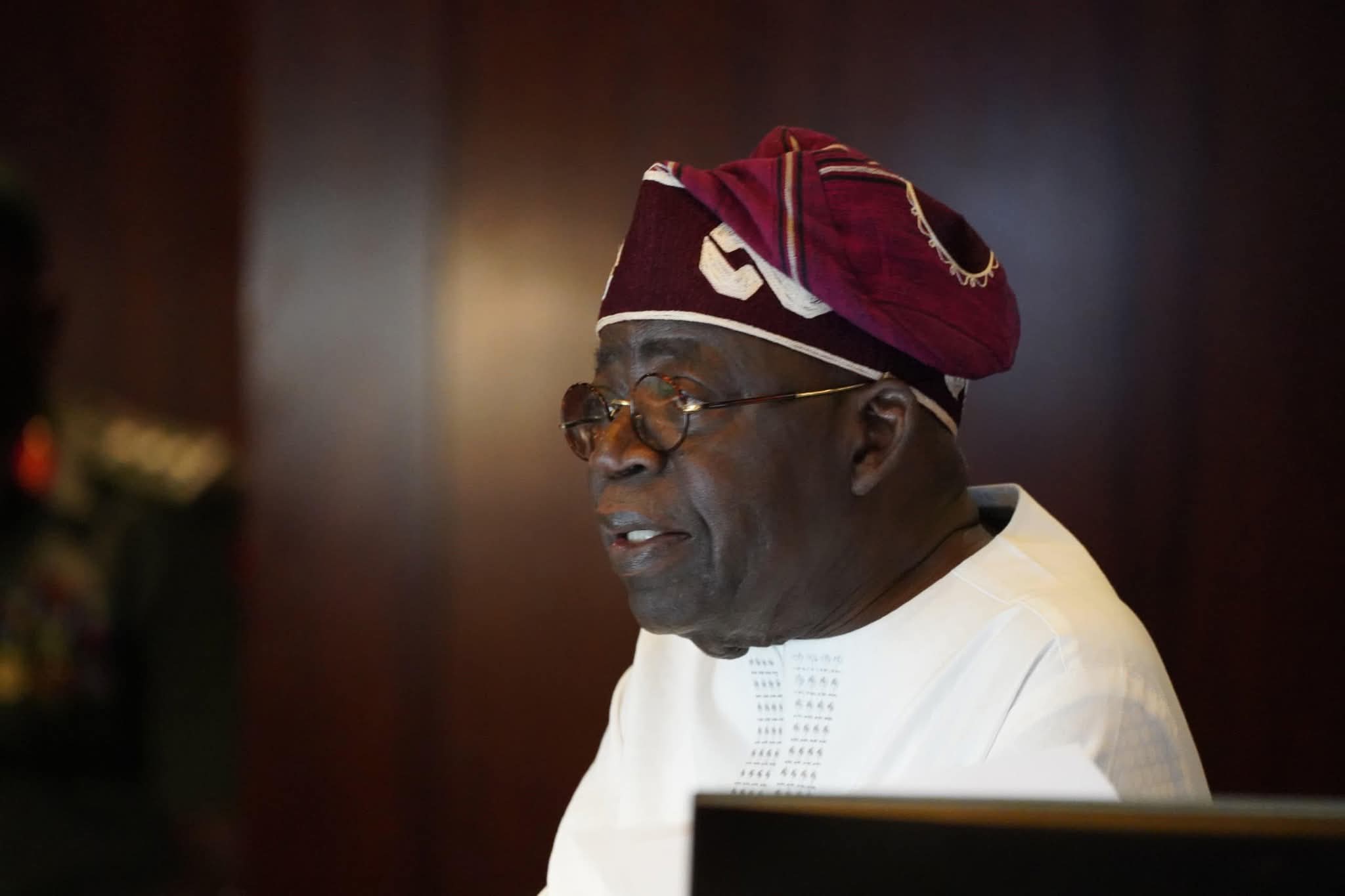
Between Governance and 2027: What Exactly Is the Priority of the Tinubu Administration?
By Jerry Adesewo
Listening to AIT’s flagship radio programme, People’s Parliament, sometimes last week, I found myself laughing along with the anchor, Mr. Ameachi Anakwe, when he threw out what should have been a routine civic question:
READ ALSO: APC’s Achievements Will Return Us to Power in Osun – Oyetola
“What is the priority of the Tinubu administration at this point in time?”
The laughter that followed was not amusing. It was uncomfortably disturbing.
Caller after caller responded with the same answer — almost rehearsed, almost unanimous:
“2027 General Elections.”
It was funny. But it was also painfully revealing.
Because whether we admit it or not, in Nigeria, once the third year of a four-year term begins, governance gradually gives way to calculations. Policies begin to bend toward politics. Announcements are weighed not just for impact, but for electoral advantage. Appointments become strategic chess moves. Infrastructure becomes campaign footage.
And history supports this perception.
The Nigerian Political Calendar: 30 Months of Governance, 18 Months of Politics
In a typical four-year term in Nigeria, real governance lasts about 30 months — at best. The remaining 18 months are consumed by party congresses, primaries, alliances, defections, funding negotiations, zoning debates, and quiet positioning.
That means by mid-2026, the drumbeats for 2027 will be impossible to ignore.
So when radio callers say the administration’s priority is 2027, are they wrong?
Or are they simply reading the script that Nigerian politics has written for decades?
The Perception Problem
Let us be clear: perception in politics is not a trivial matter. It shapes trust, investment, and citizen engagement.
Right now, many Nigerians believe the political class is already looking beyond governance to electoral survival. The signals they interpret include:
- Strategic political defections across parties
- Realignments within state structures
- Aggressive messaging and image recalibration
- Quiet mobilization within political strongholds
When citizens perceive that electioneering has begun, they naturally conclude that governance has taken a back seat.
But is that fair?
So, What Should Be the Priority?
If one strips away political noise, Nigeria’s challenges are not abstract. They are urgent and tangible.
Security: Banditry persists. Kidnappings remain lucrative. Rural communities still live under siege in parts of the country. Military operations continue, but insecurity has not been decisively broken.
If security were the singular priority, would Nigerians feel safer today than two years ago?
Food Security: Inflation has strained households. Food prices remain volatile. Farmers in some regions still face threats from violence and climate stress.
If food security were central, would the cost of basic staples feel less punishing?
Education: Public education continues to struggle with funding gaps, infrastructure decay, and teacher shortages. Digital transformation conversations abound, but structural reform remains slow.
If education were the focus, would we see a national emergency-level urgency?
Economic Stability: The removal of fuel subsidy and currency reforms were bold, disruptive decisions. They were defended as long-term corrections. But the question remains: is there now equal urgency in cushioning the social cost?
These are not opposition talking points. They are lived realities.
Do I Agree With the Callers? Partially — and reluctantly.
It would be simplistic to say the Tinubu administration is doing nothing but preparing for 2027. Policy actions continue. Budgets are passed. Diplomatic engagements proceed. Infrastructure projects are commissioned.
But politics in Nigeria has a gravitational pull. And once that pull intensifies, it distorts priorities.
The concern is not whether governance has stopped.
The concern is whether governance is still primary.
The Bold Questions That Must Be Asked
If 2027 is not the priority, then:
Why does political positioning already dominate headlines?
Why are party alignments moving faster than reform outcomes?
Why does public communication feel more defensive than developmental?
Why do citizens feel more politically mobilized than economically stabilized?
If security is the priority: where is the measurable decline in violent incidents? Where is the national security architecture reform? Where is police modernization at scale?
If economic reform is the priority: Where is the visible expansion in job creation? Where is the targeted relief for the most vulnerable? Where is the transparent performance dashboard for citizens?
If food security is the priority: Why are farmers still vulnerable? Why are food corridors still unsafe? Why are food prices not stabilizing faster?
If education is the priority: Where is the national data-driven reform architecture? Where is the teacher retraining revolution? Where is the learning outcome accountability system?
Governance is not about announcements. It is about visible direction.
The President’s Dilemma
President Bola Ahmed Tinubu came into office branding himself as a reformer — a leader willing to take hard decisions. Removing fuel subsidy was not politically convenient. Floating the naira was not electorally friendly, but he took those bold steps. Those were governance-first moves.
But the test of reform leadership is sustainability.
Can an administration continue to make tough, unpopular decisions in year three — when re-election calculations begin to loom? Or does survival instinct soften reform momentum?
That is the tension Nigerians are sensing.
What Should the Priority Be?
At this point in the administration, the priority should not be 2027. It should be credibility.
Security stabilization. Economic cushioning. Institutional reform. Visible anti-corruption enforcement. Transparent performance metrics.
Because if those are achieved, 2027 takes care of itself.
If they are not, no amount of political choreography will substitute for lived experience.
The Danger of Early Election Fever
When elections become the dominant priority too early: Policy becomes populist. Reform becomes cautious. Spending becomes political. Appointments become strategic, and accountability becomes selective.
Nigeria has paid this price before.
The country cannot afford another cycle where governance pauses while politics accelerates.
The Final Question
So what is the priority of the Tinubu administration today?
If it is 2027, then Nigerians will feel it in slowed reforms and louder rhetoric.
If it is governance, then Nigerians should begin to see sharper outcomes in security, economic relief, and institutional discipline — now, not later.
The laughter on the radio programme was not accidental. It was a civic instinct. And instincts in democracies are rarely baseless.
The year before elections may traditionally belong to politicians. But the country cannot afford for this one to do so.
Because in Nigeria, governance delayed is not governance postponed — it is governance denied.