

Blue-Eyed Tribe of Buton Island Turns Rare Genetic Trait Into a Symbol of Identity, Pride
Blue-Eyed Tribe of Buton Island Turns Rare Genetic Trait Into a Symbol of Identity, Pride


Blue-Eyed Tribe of Buton Island Turns Rare Genetic Trait Into a Symbol of Identity, Pride
On Buton Island in Indonesia, a small indigenous community is gaining global attention for a striking physical trait: bright, ocean-blue eyes seen among some of its members. While the appearance has often led to assumptions of European ancestry, experts say the true cause lies in a rare genetic condition known as Waardenburg Syndrome. Waardenburg Syndrome affects pigmentation, leading to unusual eye colors, changes in hair or skin tone, and, in many cases, partial or complete hearing loss. For members of the Butonese community born with the condition, the visual uniqueness often comes with significant health and social challenges.
READ ALSO: South Koreans Turn to ‘Prison Inside Me’ to Escape Stress, Reclaim Mental Calm
For years, individuals with the condition faced misunderstanding, bullying, and social isolation, as many around them were unfamiliar with the genetic explanation behind their appearance. The lack of awareness meant “difference” was often met with stigma rather than empathy.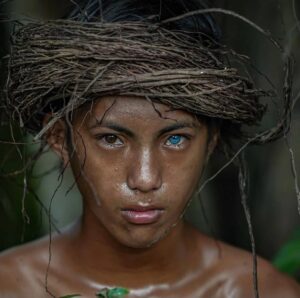
In recent times, however, attitudes have begun to shift. Increased exposure through storytelling, photography, and social media has helped reframe the narrative—from one of exclusion to one of identity and pride. The blue eyes that once set some community members apart negatively are now becoming symbols of uniqueness and cultural visibility.
Advocates say the growing awareness also highlights the need for better healthcare support, particularly for hearing impairments linked to the condition. For the Butonese people, their story is not just about rare genetics, but about acceptance, resilience, and redefining beauty on their own terms.
Blue-Eyed Tribe of Buton Island Turns Rare Genetic Trait Into a Symbol of Identity, Pride
