

Reimagining Electoral Leadership: Why Nigeria’s Next INEC Chairman Must Be Digitally Fluent

Reimagining Electoral Leadership: Why Nigeria’s Next INEC Chairman Must Be Digitally Fluent
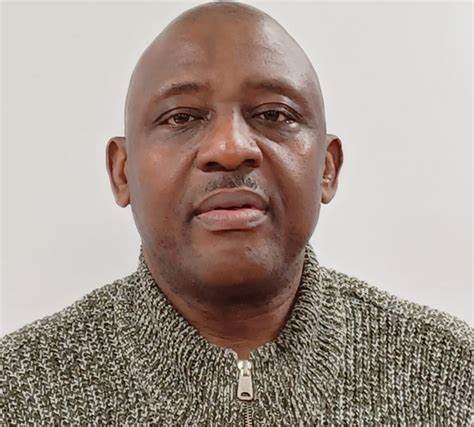
By Professor Ojo Emmanuel Ademola
As Nigeria gears up for a pivotal transition in the leadership of its Independent National Electoral Commission (INEC), the stakes are exceptionally high. The next Chairman must embody more than just a custodian of electoral procedures; they must be a visionary reformer. This leader should possess an impressive intellectual background and a strong societal orientation, demonstrating a profound understanding of digital systems and a commitment to democratic innovation.
The Digital Imperative in Electoral Governance
In the 21st century, the credibility of elections demands a mastery of technology and innovation. The outdated mindset that has plagued Nigeria’s electoral processes is wholly inadequate for the challenges of modern governance. Today’s elections call for leaders with a profound understanding of key technological areas, such as cybersecurity, digital voter registration, and real-time result transmission. We must embrace this reality to ensure fair and credible elections.
READ ALSO: Has Nigeria Turned the Corner?
Leaders must understand the critical importance of biometric verification systems. These systems are crucial for ensuring the integrity of the voting process by accurately identifying voters and preventing fraud. Furthermore, implementing public dashboards is essential for fostering transparency, enabling citizens to track election progress and strengthening trust in electoral outcomes.
Harnessing the power of artificial intelligence for electoral analytics is an exciting opportunity to enhance the voting experience and gain valuable insights into voter behaviour. It also plays a crucial role in identifying and addressing misinformation that can distort public perception. In today’s fast-paced digital world, taking a proactive stance against misinformation is essential for fostering an informed and engaged electorate.
The next Chairman of INEC must possess strong academic qualifications in fields such as computer science, information technology, or digital governance, but that is not enough. This individual must also demonstrate a bold, forward-thinking attitude that views technology as a powerful tool for empowering citizens, enhancing democratic engagement, and safeguarding the integrity of electoral processes. By marrying a vision for technological advancement with effective electoral management, the new leadership has the opportunity to establish a more credible and trustworthy electoral system in Nigeria.
Global North Lessons: Tech-Savvy Electoral Leadership in Action
In advanced democracies around the globe, electoral commissions are typically headed by individuals who possess a unique blend of legal expertise and digital proficiency. This combination has proven essential for ensuring the integrity and transparency of electoral processes.
Estonia exemplifies a model of digital democracy, notably through its innovative e-voting system that utilizes blockchain technology to guarantee security and transparency. The former President, Toomas Hendrik Ilves, a Stanford University graduate, was instrumental in weaving technology into the fabric of governance. His foresight led to the creation of a robust digital ID infrastructure, which not only supports e-voting but also fosters greater civic engagement and strengthens trust in the electoral process.
In Canada, the agency known as Elections Canada has effectively harnessed digital tools to enhance voter outreach and the dissemination of election results. Their leadership comprises individuals with specialized knowledge in public administration and information systems, which is crucial for implementing secure and transparent electoral processes. By leveraging social media and other digital platforms, they have substantially improved public access to information regarding elections, paving the way for greater participatory democracy.
Germany, on the other hand, takes a more cautious approach to e-voting. While it has yet to fully embrace widespread electronic voting, the Federal Returning Officer operates within a well-established digital framework, reinforcing the security of electoral data. This system is supported by a team of IT specialists dedicated to protect sensitive information, thereby safeguarding public trust in the electoral process.
The United Kingdom’s Electoral Commission has made significant investments in enhancing digital transparency and cybersecurity measures. It emphasises public engagement with its initiatives and is led by professionals who have backgrounds in law, technology, and policy-making. This multidisciplinary approach enables the commission to address various challenges while fostering trust and participation from the electorate.
The cases of Estonia, Canada, Germany, and the United Kingdom underscore a fundamental truth: having a digitally competent leaders at the forefront of electoral commissions is vital for cultivating electoral trust within the populace. For Nigeria and other nations seeking to strengthen their electoral systems, it is not enough to replicate these successful models. It is imperative to appoint leaders who possess a deep understanding of the complexities involved in these architectures and who can adeptly adapt to these elements to fit their unique local contexts and needs. By doing so, they can create a more resilient and trustworthy electoral framework that meets the expectations of their citizens.
The Nigerian Context: Bridging the Digital Divide
Nigeria’s electoral landscape is fraught with challenges, marked by a glaring divide between the vibrant urban tech hubs and the rural areas suffering from poor connectivity. The incoming Chairman of INEC must prioritize the promotion of digital inclusion, ensuring that every citizen, regardless of their location or literacy, can fully engage with electoral technologies. Moreover, building public trust in these digital systems is non-negotiable. It demands a commitment to transparency and a robust educational campaign to instil confidence among the electorate. The time for action is now.
The success of this initiative hinges on essential institutional reform, which demands the integration of technology into the core operations of INEC, rather than relegating it to an afterthought. This leadership position necessitates an individual who is not only proficient in technology but also attuned to social dynamics. It is crucial to have someone who can communicate digital reforms assertively, ensuring that they resonate with the public and secure their unwavering support.
Policy Recommendations
To pave the way for a credible and inclusive electoral future in Nigeria, we need to embrace some transformative reforms. First and foremost, let’s rethink the criteria for selecting the next leadership of INEC. It’s crucial that candidates demonstrate a strong proficiency in digital systems and electoral technology, ensuring they are equipped to handle the demands of modern voting.
We must firmly establish technological advancements as the cornerstone of our electoral process. By institutionalising the use of cutting-edge digital tools—such as biometric verification and blockchain technology for transparent vote collation—we will revolutionize the way elections are conducted and restore public trust in our system. These decisive steps will not only enhance the integrity of our elections but also foster deeper engagement among citizens. The future of democracy in Nigeria demands nothing less!
A strong digital public engagement strategy must be implemented to effectively educate voters about these technology reforms. This strategy should leverage social media, mobile platforms, and proactive community outreach efforts. Additionally, establishing a cybersecurity task force within INEC is imperative for protecting electoral data and combating potential digital threats. These measures are essential for bolstering the integrity and security of Nigeria’s elections.
Conclusion: A Call to Digital Leadership
Nigeria is at a pivotal moment in its journey. As we look ahead to the appointment of the next INEC Chairman, we must choose someone who embodies the spirit of modern democracy rather than the outdated methods of the past. This isn’t just about finding a capable leader—it’s about ensuring the survival of our nation’s future. In a time when misinformation can spread like wildfire and the integrity of our elections relies heavily on data security, we need a leader who deeply understands the digital landscape to protect our democratic ideals.
Let’s come together to select not just a manager of systems, but someone who can genuinely foster trust among our citizens. This choice is vital for all of us and our collective future.
Professor Ojo Emmanuel Ademola is the first Professor of Cybersecurity and Information Technology Management | First African Chartered Manager | UK Digital Journalist | General Evangelist, CAC Nigeria and Overseas