

Athletico Boss Interview Exposes Faultlines in Football

Athletico Boss Interview Exposes Faultlines in Football
By Jerry Adesewo
An exclusive interview granted to The Athletic by Aurelio De Laurentiis has reignited debate over the future of football, exposing deep structural tensions within the global game and raising questions about how long its traditional model can endure.
In the wide-ranging conversation, the Napoli owner presented a series of provocative ideas—from shortening match durations to rethinking disciplinary systems—arguing that football risks losing relevance among younger audiences unless it adapts to modern consumption habits.
READ ALSO: The Villa, the Voter, and the Vanishing Mandate
But beyond the headline-grabbing proposals, the interview reveals something more significant: a widening divide between football’s traditional custodians and a growing bloc of club owners pushing for reform.
At the heart of De Laurentiis’ argument is a concern about attention and engagement. He suggests that younger audiences, shaped by digital media and shorter content formats, are increasingly disconnected from the sport’s conventional structure. In response, he floated ideas such as reducing match length from 45 to 25 minutes per half and replacing yellow and red cards with temporary dismissals designed to maintain flow.
These suggestions have been widely criticised as radical and impractical. Yet, in policy terms, they reflect a deeper anxiety within football governance—the fear that the sport, while still globally dominant, is beginning to compete in a more crowded entertainment landscape.
The interview also highlights a long-standing tension between club ownership and governing institutions.
Figures like De Laurentiis represent a class of football executives who believe the current system—dominated by organisations such as FIFA, UEFA, and domestic leagues—no longer adequately reflects the commercial realities of modern football. Their frustration is not new, but it is becoming more vocal.
His comments echo earlier controversies, including attempts to establish breakaway competitions and restructure European football. While those efforts faced resistance from fans and regulators, the underlying motivations remain unresolved.
In that sense, the interview is less about specific reforms and more about control—who shapes the future of football, and on what terms.
There is also an internal dimension to his critique.
De Laurentiis raised concerns about the growing influence of agents, player negotiations, and the broader economics of the transfer market. These issues point to a shifting balance of power within clubs themselves, where financial considerations increasingly drive decision-making.
For owners, this represents a challenge to authority. For players and agents, it reflects a more globalised and commercially driven game.
The result is a system under constant negotiation.
Yet, De Laurentiis’ position is not without contradiction.
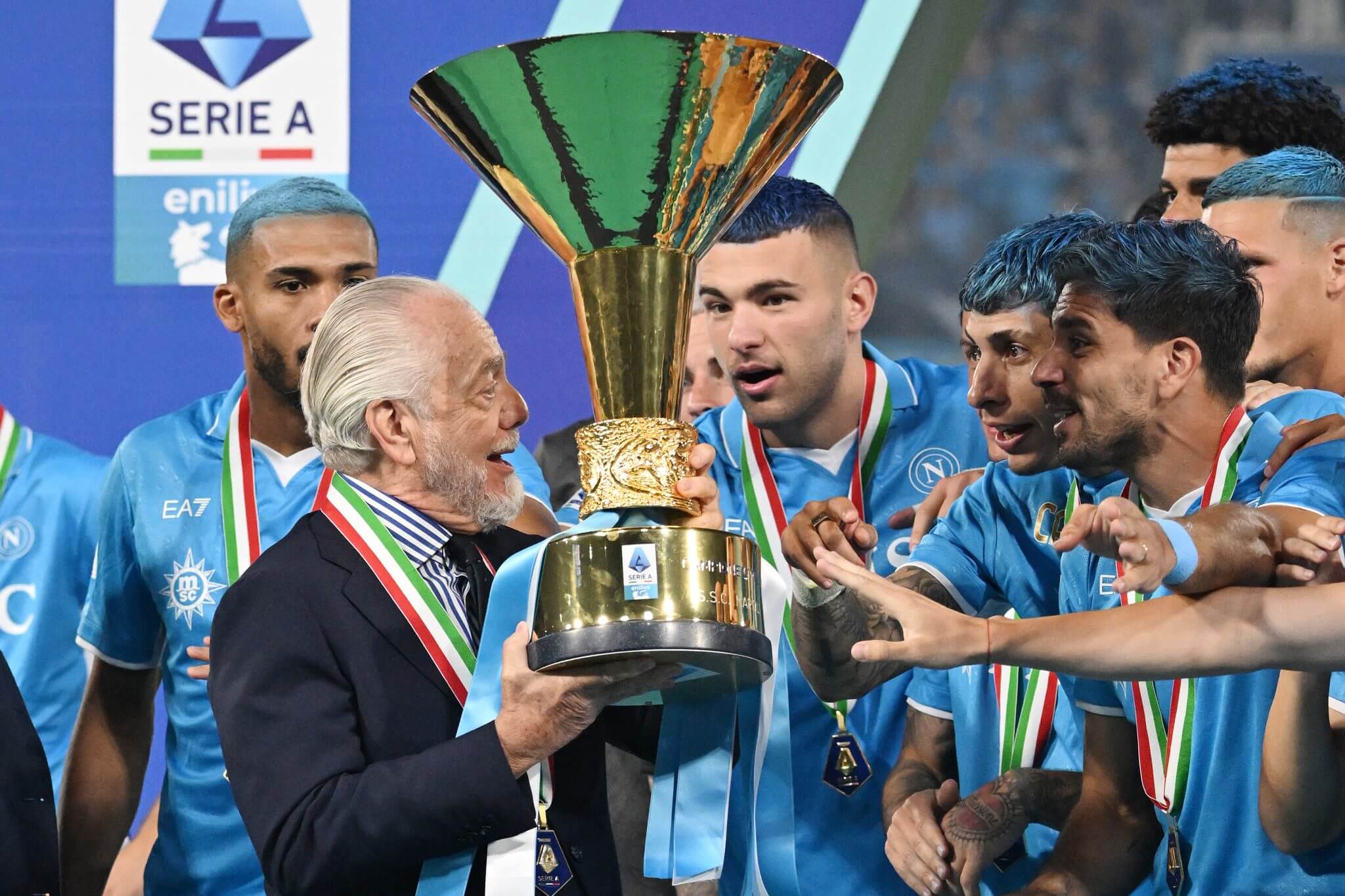
As the long-time owner of SSC Napoli, he has operated successfully within the existing system, guiding the club from financial distress to domestic and European competitiveness. His critique, therefore, comes from within—not from the margins.
This dual role—as both beneficiary and critic—captures the complexity of football’s current moment.
Reaction to the interview has been sharply divided.
Traditionalists argue that football’s strength lies in its continuity—its rules, structure, and cultural identity. For them, proposals to alter match duration or core regulations risk undermining the essence of the sport.
Reform advocates, however, see merit in the broader argument. The competition for global attention is intensifying, and football cannot assume indefinite dominance without adaptation.
The truth likely lies somewhere in between.
What the The Athletic interview ultimately underscores is a sport at a crossroads.
Football is no longer just a game—it is a global industry navigating competing pressures:
* Tradition versus innovation
* Governance versus ownership
* Cultural identity versus commercial expansion
These tensions are not new, but they are becoming more visible—and more urgent.
For now, many of De Laurentiis’ proposals may remain theoretical. Football has historically resisted rapid structural change. But the questions he raises are unlikely to disappear. If anything, they signal a broader shift in how the game is being imagined by those who control its most powerful institutions. And as that conversation continues, one reality becomes increasingly clear: Football is not just evolving on the pitch—it is being renegotiated off it.