


“All Is Fair in Politics”: The Democratic Cost of Careless Words
By Matthew Eloyi
By all accounts, politics is a contest of ideas, influence, strategy and persuasion. It is rarely gentle, and it is almost never devoid of intrigue. Yet, there is a critical difference between acknowledging politics as a competitive enterprise and suggesting, however inadvertently, that anything goes in the pursuit of political victory.
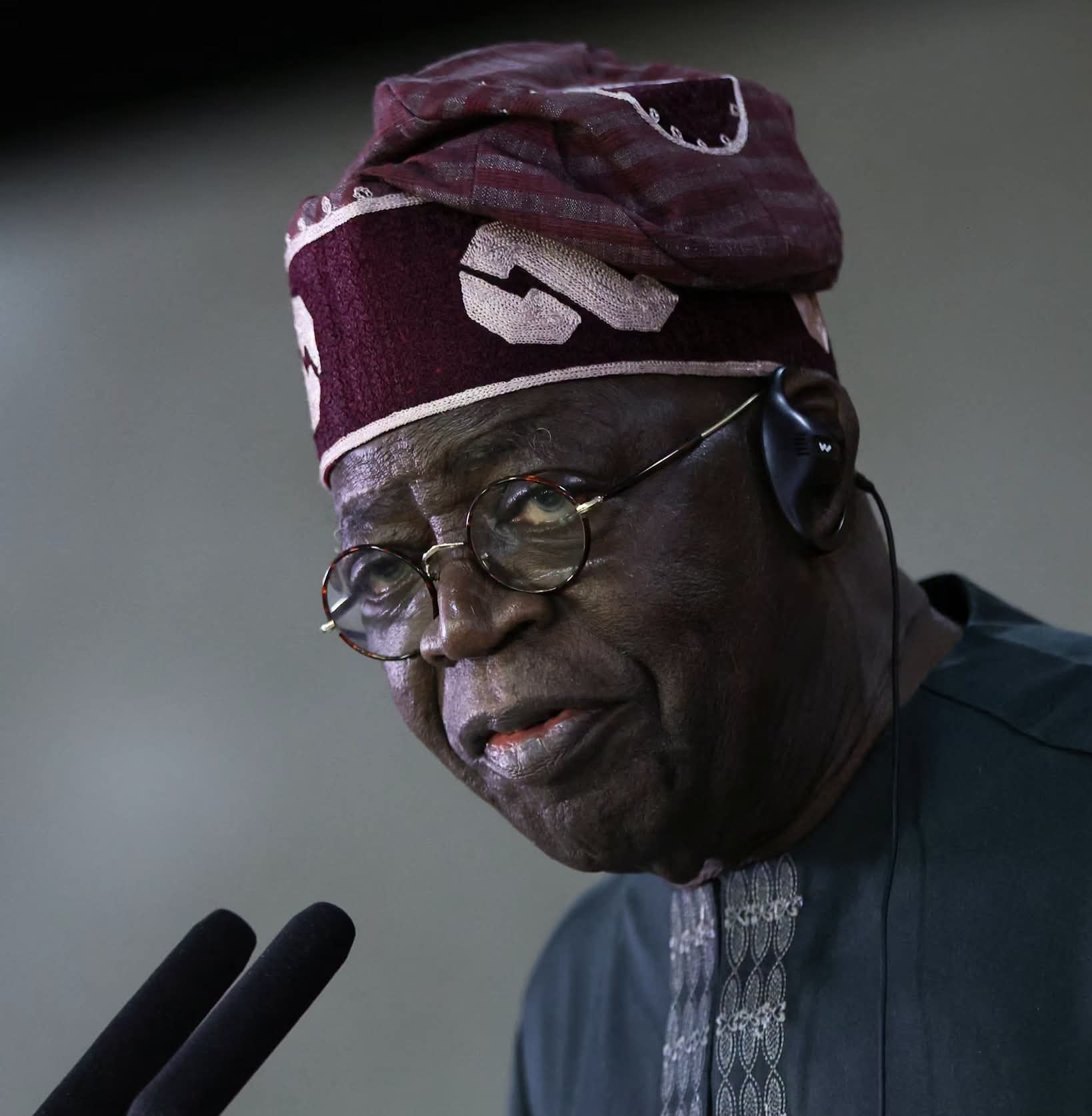
That is why President Bola Ahmed Tinubu’s remark that “all is fair in politics” during his recent meeting with members of the Catholic Bishops’ Conference of Nigeria (CBCN) deserves careful reflection. Whether intended as a light-hearted observation, a statement of political realism or a defence of democratic competition, the comment has understandably generated debate because of the weight presidential words carry.
The meeting itself was significant. The Catholic bishops had expressed concerns over the country’s political climate, governance, insecurity, economic hardship and the need for credible elections. Nigerians expected reassurance that democratic values, constitutionalism and the rule of law would remain the guiding principles of government. Instead, one phrase became the dominant headline.
Language matters in leadership. Presidents do not enjoy the luxury of speaking casually about matters that touch the integrity of democratic institutions. Every sentence is scrutinised, every phrase interpreted, and every remark weighed against the realities confronting the nation.
The expression “all is fair in politics” has long been associated with the rough-and-tumble nature of political contests. While many use it to describe the fierce competition inherent in politics, others understand it to imply that ethical boundaries become secondary once power is at stake. That ambiguity is precisely why the phrase is problematic when used by a sitting president.
Nigeria’s democratic journey has not been an easy one. The country has endured decades of military rule, controversial elections, electoral violence, allegations of vote-buying, abuse of incumbency, judicial battles and declining public trust in political institutions. In such an environment, public confidence is sustained not only by institutions but also by the language of leadership.
Citizens expect the President to reinforce the idea that elections should be won through persuasion rather than manipulation; through policies rather than propaganda; through constitutional means rather than political expediency.
No one expects politics to become a gentleman’s game. Elections are naturally competitive. Political parties seek advantage. Candidates build alliances, negotiate coalitions and deploy campaign strategies designed to maximise electoral success. These are legitimate features of democratic politics.
But democratic competition is fundamentally different from the notion that every tactic is acceptable simply because it serves a political objective.
The Constitution, the Electoral Act, campaign finance regulations and the authority of the Independent National Electoral Commission (INEC) exist precisely because politics is not meant to be a free-for-all. Democracy survives because there are rules that every contestant must obey, regardless of political interests.
History offers valuable lessons. Around the world, democracies have been weakened not only by unlawful actions but also by political rhetoric that gradually normalised disregard for institutional restraints. Words that appear harmless in isolation can become powerful symbols when citizens already harbour doubts about the fairness of political competition.Nigeria cannot afford that luxury.
The President may well have intended nothing more than an acknowledgement that politics is inherently competitive. If so, the broader context should not be ignored. Yet leadership is measured as much by how words are received as by how they are intended.
This is particularly true at a time when millions of Nigerians are demanding greater transparency, accountability and electoral credibility. The public wants assurance that no individual, political party or institution stands above the democratic process.
There is another reason the remark attracted attention. It came before an audience of Catholic bishops, whose intervention was rooted in moral responsibility rather than partisan politics. Religious leaders, civil society organisations and other non-state actors often remind governments that political authority carries ethical obligations beyond legal compliance. Their concerns deserve thoughtful engagement, especially when they speak on behalf of citizens anxious about the future of the country.
Rather than allowing a single phrase to dominate the conversation, this episode should serve as an opportunity for the country’s political leadership to reaffirm an important democratic principle: politics may be competitive, but it is never exempt from ethics.
Indeed, the strongest democracies are not those where politicians win at all costs. They are societies where political actors willingly submit themselves to constitutional limits, independent institutions and the judgment of the electorate.
Ultimately, the controversy surrounding the President’s remark is less about semantics than symbolism. Nigerians are listening carefully to those who govern them. Every presidential statement contributes either to strengthening public trust or to deepening public scepticism.
The message citizens need to hear is not that all is fair in politics. The message they need is that all political actors are equally bound by the Constitution; that every vote will count; that institutions will remain impartial; and that power, however fiercely contested, must always be pursued within the boundaries of law, fairness and democratic ethics.
In a democracy as diverse and fragile as Nigeria’s, those are not merely reassuring words. They are the very foundation upon which public confidence rests.
