


Jonathan, Obi, Tinubu and the Battle for 2027
Dr. MS Abubakar
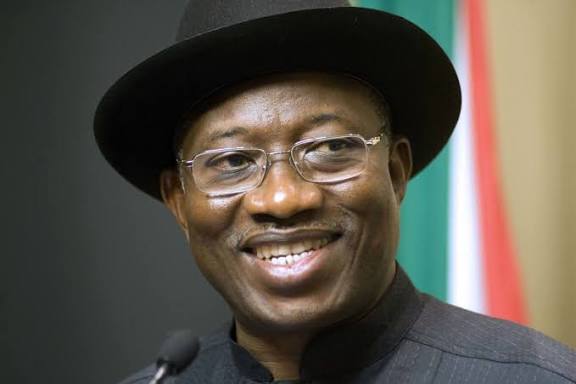
Dr. Goodluck Jonathan is expected to run in the 2027 presidential elections. That is a fact now.
I must admit, I once admired Jonathan deeply. His presidency, for all its flaws, gave us tangible programs like YouWin! and the BIG initiative, backed by the World Bank. These policies created opportunities for young entrepreneurs and left many of us with a sense that government, at least briefly, was investing in our potential.
READ ALSO: Verbal attack on NLC Chairman: Joint Labour Movement lambast Osun APC
But my admiration soon turned to frustration. Jonathan stumbled on the critical question of courage. His choice to entrust Nigeria’s fragile security architecture to two relatives—Colonel Sambo Dasuki as National Security Adviser and General Aliyu Gusau as Defence Minister—still baffles me. How could such a serious national portfolio be reduced to family affairs? That decision alone shook my confidence in him as a leader.
Yet Jonathan’s shadow has never really disappeared. Since 2019, whispers of his return have grown louder. His allies: former ministers, ex-governors, even business leaders, have been quietly testing the waters. More recently, he has reportedly explored ties with American power brokers, banking on Donald Trump’s hostility toward Bola Tinubu, on the grounds of a rumoured $300 million donation to Kamala Harris’ campaign remains a sore point in U.S.–Nigeria relations. If Jonathan can align with Trump, he might gain an unexpected edge.
The Mahama-Trump-Lula Effect
3 across the border. Ghana’s John Mahama, once written off, staged a comeback this year. Like Jonathan, he ascended to power upon the death of his predecessor and later lost re-election. Mahama’s return proves that political redemption is possible. For Jonathan, Mahama’s victory is not just symbolic. It is fuel for his ambition. Others like Brazil’ Lula and President Trump of rhe United State are also known to have staged a xome baxk to presidenct after been defeated initially.
Tinubu’s Weak Mandate
The ground is fertile for an upset. Tinubu’s presidency, in less than two years, has alienated much of the population. Inflation bites, insecurity festers, and confidence in government has collapsed. He won in 2023 with just 8 million votes out of 88 million eligible Nigerians—a historically weak mandate. Many still believe that without Peter Obi’s defection from the PDP, APC would have been roundly defeated.
The APC itself knows it stands on shaky ground. Its frantic attempts to lure opposition governors, its flirtation with Rabiu Musa Kwankwaso for a powerful cabinet role, and whispers of replacing Shettima as vice president all reveal one thing: desperation.
The Obi Factor
This is where Peter Obi remains critical. His 2023 campaign inspired millions of young Nigerians disenchanted with the two-party establishment. Though the Labour Party lacked the structure to secure victory, Obi proved he could mobilize a movement across regions, tribes, and religions. By 2027, if he recalibrates and aligns strategically, his role as kingmaker, or even frontrunner, cannot be discounted.
Would Obi partner with Jonathan in a PDP-led coalition? Could he carry Labour independently? Or would he tilt toward an alliance with ADC, a party already branding itself as an alternative for disillusioned Nigerians? These are questions that weigh heavily as the opposition calculates its path.
The ADC Variable
The African Democratic Congress (ADC), often dismissed as a fringe party, may emerge as a surprising player. With its strong emphasis on youth, innovation, and inclusivity, it is positioning itself as a platform for Nigerians tired of the APC–PDP duopoly. If Obi, or even a rebranded Jonathan, were to draw ADC into a broader coalition, the 2027 election could become a genuine three-way contest, breaking the old pattern of predictable two-horse races.
Jonathan’s Burden and the Road Ahead
For Jonathan, the challenge is twofold. First, to convince Nigerians that he has learned from his past mistakes. That he will not repeat the indecisiveness that marred his presidency. Second, to present himself not as yesterday’s man, but as a bridge-builder who can galvanize a coalition strong enough to unseat Tinubu.
The opposition’s greatest weapon is disillusionment: the hunger in the markets, the despair of the unemployed, the insecurity that stalks the streets. But disillusionment is not enough. What Nigerians demand in 2027 is clarity, courage, and competence.
Final Thoughts
The way I see it, the 2027 elections will not simply be Tinubu versus Jonathan. It will be Tinubu versus the collective frustrations of Nigerians, sharpened into a coalition of PDP, Labour, ADC, and possibly Kwankwaso’s NNPP bloc.
This potential significance is precisely the reason why the current Tinubu Administration is strategically scheming to bring him into the fold as the next Secretary to the Government of the Federation (SGF), or some other profile capacity. Moreover, there are talks of reshuffling the ineffective and lackluster cabinet of the government, which has been criticized for its inability to deliver on key promises.
The possible departure of notable political figures such as Nuhu Ribadu, who may choose to contest for the governorship of Adamawa State, and Femi Gbaja, who might pursue the Lagos State governorship, adds another layer of complexity to the political landscape. Furthermore, there are speculations about replacing the vice president with another Muslim politician, to inject fresh blood and invigorate the administration. However, these strategic moves might ultimately backfire, leading to unforeseen consequences that could reshape the future of Nigerian politics.
Tinubu may try every political maneuver: reshuffles, alliances, even desperation plays. But the people’s patience is thin, and the opposition, if united, can transform that frustration into a political earthquake.
The question is whether Jonathan, Obi, and the ADC are prepared to bury personal ambition for collective victory. If they can, 2027 may be remembered as the year Nigerians finally reclaimed their future.