


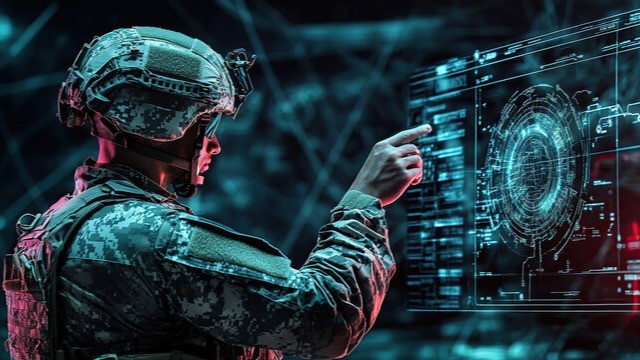
Nigeria Is Fighting a Digital War Without Digital Preparedness
By Abuh Ibrahim Sani
The conflict against Boko Haram and Islamic State West Africa Province has entered a more complex phase than many policy discussions acknowledge. While Nigeria continues to rely on troop deployments, airstrikes, and territorial control, insurgent groups have quietly expanded their operations into the digital space. This shift is not theoretical. It is already shaping how attacks are planned, how recruits are attracted, and how influence is sustained.
The Reality of a Digitally Driven Conflict
Across the world, security experts now agree that modern conflict is no longer limited to physical battlefields. Reports from organizations such as the United Nations and the Global Terrorism Index show that extremist groups increasingly rely on digital tools to extend their reach. Online platforms have become spaces for propaganda distribution, recruitment, and ideological reinforcement.
In Nigeria’s case, insurgent groups have used encrypted messaging platforms to coordinate operations and avoid detection. These platforms provide anonymity and reduce the risk of interception by traditional intelligence systems. Social media has also been used to circulate videos and narratives that appeal to vulnerable populations, especially young people in underserved communities. This is not random activity. It follows patterns seen in global extremist movements, where digital ecosystems are carefully managed to sustain long-term influence.
At the same time, Nigeria’s counterterrorism structure still faces structural limitations. Intelligence coordination between agencies remains fragmented. Data sharing is often slow or incomplete. Technological infrastructure, especially in surveillance and cyber monitoring, does not yet match the scale or sophistication of the threat. This creates a gap that insurgent groups continue to exploit.
How Insurgents Are Using Technology to Their Advantage
The ability of insurgent groups to adapt to technology is one of the most underestimated risks in Nigeria’s security landscape. These groups are not operating in isolation. They learn from global networks and replicate successful tactics.
Encrypted communication allows them to plan attacks without exposure. Digital propaganda helps them control narratives and shape perceptions. Online radicalisation networks create a steady flow of new recruits who may never have direct physical contact with the group before joining.
There is also evidence that extremist groups are experimenting with digital financial systems to move funds discreetly. While this is still evolving, it signals a shift away from traditional funding channels that are easier to monitor. This combination of communication, propaganda, recruitment, and financing creates a resilient system that is difficult to disrupt using conventional military methods alone.
The Urgent Need for a Technological Shift
Nigeria’s current approach to counterinsurgency needs to reflect this new reality. Relying primarily on physical operations limits the country’s ability to detect and prevent threats early. A modern response requires integrating technology into every layer of national security.
READ ALSO: Cybersecurity Is Now a Weapon Against Terrorism
Artificial Intelligence offers a practical advantage in this area. By analysing large datasets, AI systems can identify patterns that human analysts may miss. For example, repeated movement patterns in conflict zones, unusual communication spikes, or coordinated online messaging can signal an emerging threat. Early detection increases the chances of prevention rather than response.
Predictive intelligence systems can also transform how security agencies operate. By studying historical attack data, these systems can highlight high-risk locations and timeframes. This allows for more targeted deployment of resources, reducing both risk and cost.
Building a Digitally Integrated Security Architecture
Cybersecurity must now be treated as a core element of national defence, not a separate technical issue. Terrorist organisations are already using digital systems as operational tools. This means Nigeria’s digital infrastructure, including communication networks and data systems, has become part of the battlefield.
A modern counterterrorism framework requires integration. Artificial Intelligence, cyber intelligence, drone surveillance, and big data analytics need to work together within a unified system. Digital mapping technologies can support real-time tracking of conflict zones. Inter-agency intelligence sharing must become faster and more structured, supported by secure digital platforms that allow seamless communication between security bodies.
Drone technology also adds a critical layer of surveillance. It allows for monitoring of remote or high-risk areas without exposing personnel to immediate danger. When combined with AI analysis, drone data can provide actionable insights in real time.
Balancing Innovation with Accountability
While the need for technological advancement is clear, it cannot come at the expense of civil liberties. Surveillance systems, data collection, and AI-driven monitoring raise valid concerns about privacy and misuse. Without proper oversight, these tools can be applied in ways that undermine public trust.
Strong legal frameworks are necessary to guide how data is collected, stored, and used. Oversight bodies must ensure that security agencies operate within defined limits. Transparency in the use of technology helps build confidence among citizens, which is essential for long-term stability.
A Defining Moment for Nigeria’s Security Strategy
Nigeria is at a critical point. The nature of terrorism has changed, but the response has not fully caught up. Continuing to rely on outdated methods against an evolving threat increases vulnerability.
The battlefield is no longer defined only by geography. It is shaped by data, connectivity, and speed. Insurgent groups understand this shift and are already acting on it. The question is whether Nigeria will respond with the same level of adaptation.
Without deliberate investment in digital capabilities, intelligence systems, and cybersecurity, the gap between threat and response will continue to widen. Nigeria is not just fighting a physical insurgency. It is fighting a digital war that demands digital preparedness.
