

Child Monarchs Who Shaped History: Remarkable Rulers Crowned Before the Age of 10
Child Monarchs Who Shaped History: Remarkable Rulers Crowned Before the Age of 10

Child Monarchs Who Shaped History: Remarkable Rulers Crowned Before the Age of 10
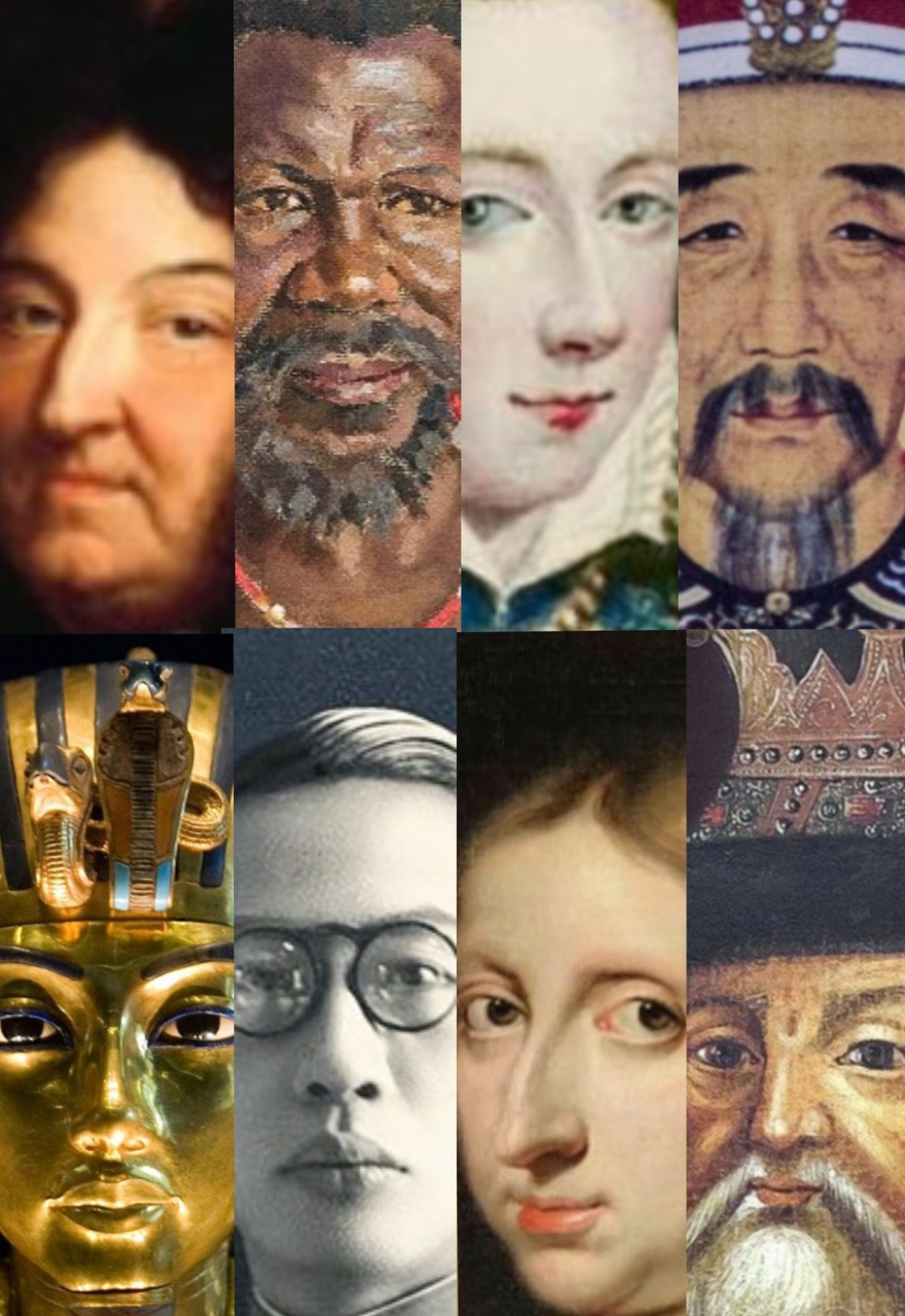
Throughout history, several monarchs ascended to the throne while still infants or young children. Although many initially ruled through regents because of their age, a number of them went on to leave lasting political, military and cultural legacies that shaped their nations and the wider world.
Here are some of history’s most notable child rulers.
Tutankhamun (c. 1341–1323 BC) – Pharaoh of Ancient Egypt
Tutankhamun became Pharaoh of Egypt at about 9 years old during the 18th Dynasty. He ruled for approximately 9 years before his death at around 18 or 19 years of age.
Although his reign was relatively short, he is remembered for restoring Egypt’s traditional religious practices after the controversial reforms of his predecessor, Akhenaten. His fame grew dramatically in 1922 when British archaeologist Howard Carter discovered his nearly intact tomb in the Valley of the Kings.
Mary, Queen of Scots (1542–1587) – Queen of Scotland
Mary became Queen of Scotland at just six days old following the death of her father, King James V.
Her reign officially lasted 25 years (1542–1567), although Scotland was governed by regents during her childhood. After returning from France, she became one of Europe’s most influential monarchs before being forced to abdicate. She was later executed in England by her cousin, Queen Elizabeth I.
James V of Scotland (1512–1542)
James V became King of Scotland at 17 months old after the death of his father, James IV, at the Battle of Flodden in 1513.
He ruled for 29 years, eventually consolidating royal authority and strengthening the Scottish monarchy before his death in 1542.
David II of Scotland (1324–1371)
David II ascended the Scottish throne at 5 years old after the death of his father, Robert the Bruce.
He ruled for about 42 years, although his reign was interrupted during periods of exile caused by conflicts with England during the Wars of Scottish Independence.
Christina of Sweden (1626–1689)
Christina became Queen of Sweden at age 5 after the death of her father, King Gustavus Adolphus.
She ruled for 22 years (1632–1654) and became one of Europe’s most educated monarchs. Christina later shocked Europe by abdicating the throne, converting to Catholicism and relocating to Rome.
Puyi (1906–1967) – Last Emperor of China
Puyi became Emperor of China’s Qing Dynasty at just 2 years old in 1908.
His reign lasted only three years before the Qing Dynasty collapsed during the 1911 Revolution. He remains remembered as China’s final imperial ruler and was later the subject of the Oscar-winning film The Last Emperor.
James VI of Scotland (1566–1625)
James VI became King of Scotland at 13 months old after Mary, Queen of Scots, abdicated.
He ruled Scotland for 57 years before becoming James I of England in 1603, uniting the English and Scottish crowns under one monarch.
Henry VI of England (1421–1471)
Henry VI became King of England at only 9 months old following the death of his father, Henry V.
He ruled for 39 years, although his reign was marked by political instability and the Wars of the Roses.
Mehmed IV (1642–1693) – Ottoman Sultan
Mehmed IV became Sultan of the Ottoman Empire at age 6.
He ruled for 39 years (1648–1687), overseeing major military campaigns and territorial expansion before being deposed.
Kangxi Emperor (1654–1722) – Qing Dynasty
The Kangxi Emperor became ruler at 7 years old and reigned for 61 years (1661–1722).
His reign is regarded as one of China’s greatest imperial eras, marked by political stability, territorial expansion, scientific advancement and economic prosperity.
Louis XIV of France (1638–1715)
Louis XIV became King of France at age 4 and ruled for 72 years, making him one of the longest-reigning monarchs in recorded history.
Known as the “Sun King,” he transformed France into Europe’s dominant power and built the Palace of Versailles into a symbol of royal authority.
Shah Abbas II of Persia (1632–1666)
Shah Abbas II became Shah of the Safavid Empire at age 9.
He ruled for 24 years, restoring stability to Persia and strengthening trade and diplomatic relations.
Henry III of England (1207–1272)
Henry III became king at 9 years old following the death of King John.
He ruled for 56 years, one of the longest reigns in medieval England, and is remembered for rebuilding Westminster Abbey.
Sobhuza II of Eswatini (Swaziland) (1899–1982)
Sobhuza II became king at just 4 months old after his father’s death.
He ruled for 82 years, making him one of the longest-serving monarchs in world history. During his reign, Swaziland gained independence from Britain in 1968 and later became known as Eswatini.
Edward VI of England (1537–1553)
Edward VI became King of England at age 9 following the death of his father, King Henry VIII.
He ruled for six years and introduced major Protestant reforms before his death at age 15.
Ivan IV “The Terrible” (1530–1584) – Russia
Ivan IV became Grand Prince of Moscow at age 3 after the death of his father, Vasili III.
He later became Russia’s first Tsar and ruled for about 50 years. His reign expanded Russian territory dramatically but was also marked by political repression and violence, earning him the title “Ivan the Terrible.”
A Common Thread in History
Most of these rulers inherited their thrones after the death of a parent and initially governed through regents or councils until reaching adulthood. While some experienced turbulent reigns, others—such as Louis XIV, Kangxi Emperor, James VI, and Sobhuza II—became some of the most influential and longest-serving monarchs in history, leaving legacies that continue to shape historical scholarship today.
Child Monarchs Who Shaped History: Remarkable Rulers Crowned Before the Age of 10
