


Dotun Reju and Nigeria’s Need for Mad Men
By Prince Charles Dickson Ph.D
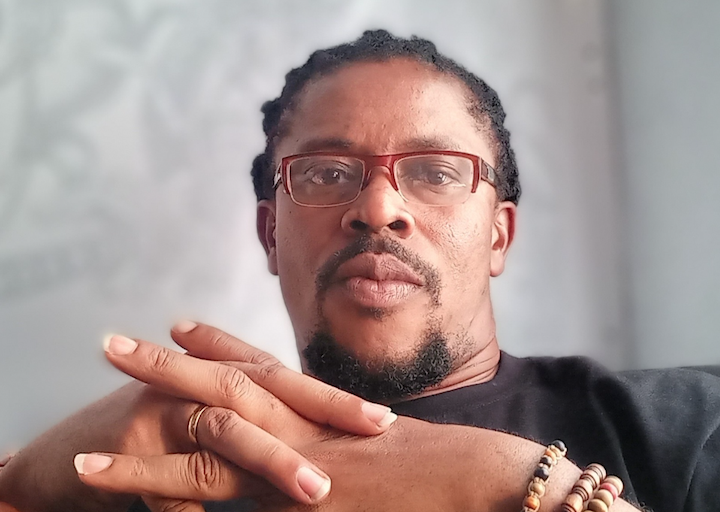
At the weekend, I attended a fireside chat by my friend, Dr. Dotun Reju, around his book, Before the West Worked. I had eaten its pages; now the conversation was chewing through assumptions I had carried for years. By the time we finished, my verdict was affectionate and unmistakably Dr. Dot, as my kids call him—no, well.
He was asking dangerous questions. Who told us that Africa arrived late at the doorstep of thought? Who decided that our ancestors possessed customs while others possessed philosophy? When another person narrates your existence, even your achievements can become footnotes in their generosity. Eventually, you begin seeking permission to remember yourself.
READ ALSO: The Demographic Clock: Nigeria’s Massive Youth Population as Both Opportunity and Pressure Cooker
Africa did not wait for a European ship to begin thinking. Timbuktu’s scholarship alone unsettles that convenient amnesia. The portrayal of Africans as intellectually inferior served conquest: people declared incapable of governing themselves could supposedly be governed for their own good. Theft acquired a civilising vocabulary. Domination dressed for Sunday service.
Yet recovering truth requires more honesty than replacing European arrogance with African self-flattery. Africa contained many societies, including unjust ones; slavery and hierarchy existed before colonial rule. Our ancestors were human. We honour them by examining their achievements and failures, then making institutions that serve people living now.
Reju’s challenge concerns what slavery and colonialism damaged in African understandings of work. He describes labour embedded in spiritual meaning and communal obligation. Work sustained belonging; skill carried responsibility. His theology of work in African attire asks whether making, farming, and trading can be expressions of dignity and service.
That question followed me into his story about the boy scolded for wearing Sunday shoes to school on Monday. Perhaps the shoes simply needed preserving. But the deeper provocation remains: what have we taught children about the relative worth of worship and learning? Why should excellence dress beautifully for church and arrive barefoot at work?
What happens when a contractor sings passionately on Sunday and supplies dangerous concrete on Monday? When public money becomes a testimony, who asks whose hospital lost its medicine? A theology of work must enter the workshop, the classroom, and the accounts department. Otherwise, religion can become an expensive costume for ordinary irresponsibility.
Then came Ubuntu. Reju argued for its human reach. I heard an invitation to recognise that an idea can have African roots and universal relevance. The world should listen to Africa. But is Africa speaking with conviction? Are we listening to our artisans, farmers, and thinkers, or waiting for their wisdom to return with foreign accreditation?
This is where the continental question becomes painfully Nigerian. We want recognition, yet we often organise aspiration around imitation. We debate imported car badges more passionately than we discuss financing local engineering. The vehicle becomes a certificate of arrival. Meanwhile, the road beneath it announces that the community has gone nowhere.
Our little generator is called “I pass my neighbour.” Even darkness must have a loser. What would happen if we measured success by how many neighbours gained electricity? Can a nation build a commonwealth when its favourite achievement is escaping what everybody else must endure? Private survival has become our substitute for public imagination.
With the presidential election scheduled for January 16, 2027, I look at Bola Tinubu, Atiku Abubakar, and Peter Obi, three prominent contenders, and ask, who is prepared to disturb the assumptions beneath our failures? Who will confront the interests financing his ambition? Who will risk losing applause to change what supporters consider normal?
Obi has recounted receiving useful security advice in Anambra from a man he described as mad. There is our comic opening: perhaps wisdom does not require a convoy, an office, or a sitting allowance. Before creating another advisory committee, should Abuja first check whether somebody at the junction has already understood the problem?
The humour carries a serious instruction. Listening is part of intelligence. A leader who cannot receive truth from an inconvenient person will eventually receive flattery from very convenient people. Yet an anecdote cannot substitute for a programme. Obi, like every contender, must show how listening becomes institutions, budgets, and measurable improvements.
Atiku must answer the same uncomfortable test. Experience should explain how the machinery will change and who will lose the privileges that keep it running. What does his promised alternative require of the powerful? Nigeria has heard enough declarations about rescuing the country. We need to know whether the proposed rescuers will dismantle the arrangements from which political careers have long benefited.
President Tinubu has supplied his own version of dramatic disruption through subsidy removal and currency reforms. Supporters call these courageous corrections; households confronting higher costs experience the ordeal more intimately. Reform can address real distortions while still failing people through its timing and protections. Pain, by itself, proves neither wisdom nor progress.
So what kind of madness does Nigeria need? Certainly, the word here means moral courage and intellectual independence; mental illness deserves care. We need leaders whose boldness can withstand evidence, whose policies can survive scrutiny, and whose mistakes can be corrected. A country is too precious to become anybody’s experiment in personal infallibility.
Who will examine IMF and World Bank prescriptions against Nigerian livelihoods instead of swallowing them as sacred medicine? Equally, who will resist the cheap theatre of rejecting every foreign idea? Independence requires the capacity to think, negotiate, and produce. Shouting at a lender will not manufacture the goods we still need to import.
Who will rebuild education around inquiry, practical competence, and historical confidence? Who will connect apprenticeships to finance, research, and decent working conditions? Who will support indigenous enterprise while demanding quality? Retrieving our systems should help us solve present problems. Nostalgia cannot repair a bridge, and ancestral praise cannot substitute for engineering.
And our lawyers: must justice forever wear those inherited wigs, those solemn sponges perched above Nigerian heat? The question extends beyond costume. What good is an Africanised courtroom if ordinary people still cannot obtain justice? Changing attire is easy; making institutions intelligible, affordable, and accountable is the harder liberation.
Corruption also learns our language. Children watch us praise unexplained wealth, excuse our relatives, and condemn identical conduct in strangers. We teach the lesson, then act shocked when another generation graduates. Who will challenge the family meeting that treats public appointments as compensation for years of waiting?
That responsibility cannot end at the presidency. The lecturer selling marks, the employer withholding wages and the voter demanding a personal share all help maintain the system they denounce. Reju’s challenge reaches our own doorsteps. How much national transformation are we willing to tolerate when it interrupts our private advantage?
The mad people we need include women who refuse exclusion, teachers who welcome questions, and officials who publish what they spend. Their courage must become ordinary practice. We cannot keep waiting for one extraordinary man while punishing every ordinary citizen who behaves differently.
I left that fireside convinced that Reju’s disturbance was useful. He had placed a question beneath our comfortable chairs: what have we accepted that we should have challenged? Nigeria needs enough courage to retrieve its story and enough discipline to write the next chapter honestly. Where are the mad men? Perhaps they are waiting for the rest of us to stop calling it obedience wisdom—May Nigeria win!
