

Plateau VIO to Intensify Road Operations, Sensitisation, Warn Against Misconduct
Plateau VIO to Intensify Road Operations, Sensitisation, Warn Against Misconduct
By Comfort Pius, Jos
The Plateau State Government has said the Vehicle Inspection Office (VIO) will intensify road operations and safety sensitisation across the state while warning personnel against extortion and other forms of misconduct in the discharge of their duties.
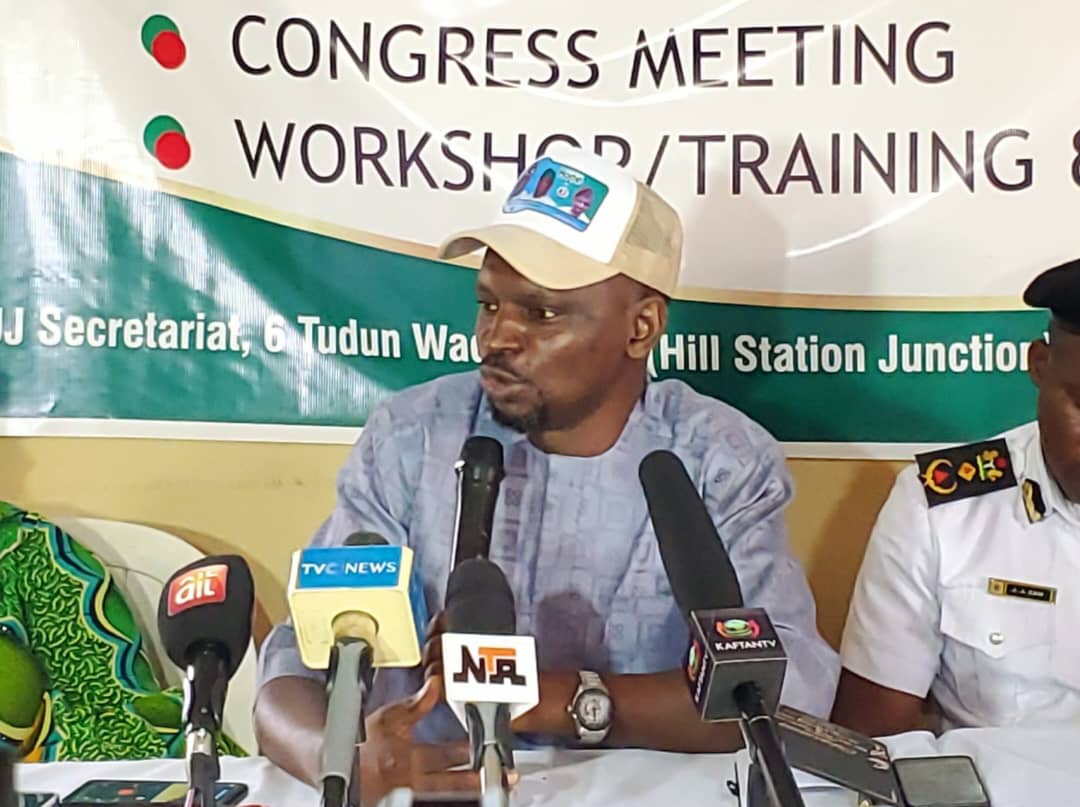
The Commissioner for Transport, Hon. Davou Jatau Gyang, disclosed this on Wednesday, September 23, during a media engagement with journalists at the Nigeria Union of Journalists (NUJ) Secretariat in Jos, where he outlined measures being put in place to reform VIO operations, improve road safety, and promote a more professional relationship between officers and motorists.
READ ALSO: Nigeria; A Gen Z Will Soon Be President
He said the resumption of road operations would be accompanied by increased public enlightenment to ensure that motorists and other road users understand relevant regulations, their responsibilities, and the statutory duties of VIO personnel.
The commissioner said the government was particularly concerned about road safety and the need to reduce avoidable confrontations between VIO officers and motorists, adding that the ministry had identified gaps in training, retraining, staffing, and public sensitisation which required urgent attention.
He said VIO personnel would undergo further training, particularly in professional conduct, communication, and human relations, to enable them to carry out roadside enforcement in a manner that would promote mutual respect and reduce unnecessary disputes.
Jatau explained that the responsibility of VIO officers was not simply to stop motorists but to ensure compliance with vehicle safety standards and other relevant transport regulations.
He said the ministry would also establish a dedicated communication line through which motorists could report misconduct and other concerns arising from VIO operations for prompt investigation and appropriate action.
The commissioner warned officers against extortion and other practices capable of undermining public confidence in the agency, stressing that personnel must conduct themselves professionally and within the provisions of the law.
He also said the ministry was working towards upgrading the Plateau Transport Management System with surveillance cameras and digital vehicle databases to reduce unnecessary roadside checks and improve enforcement.
According to him, the upgraded system would help identify vehicles with expired documents and assist authorities in tracking stolen vehicles through number-plate recognition and alerts.
He said the digital system would also make it possible for motorists with valid documentation to move freely without repeated and unnecessary stoppages by enforcement personnel.
The commissioner said the ministry was equally concerned about compliance in the transport sector and would continue to sensitise motorists on the need to maintain their vehicles, renew their documents, and comply with statutory requirements.
He called on transport unions, motorists, and other stakeholders to cooperate with the government during the reform process, stressing that grievances arising from VIO operations should be addressed through established channels rather than confrontation.
Jatau also appealed to journalists to support the public sensitisation campaign by educating motorists on the responsibilities of VIO personnel, available complaint channels, and the need for peaceful resolution of disputes.
He described journalists as the watchdogs of society, saying the media had an important role to play in informing the public, holding institutions accountable, and helping the government communicate its policies and reforms to the people.
The commissioner urged journalists to continue to report issues affecting the transport sector objectively and help create greater understanding between government agencies, motorists, and transport operators.
He said the reforms were designed to restore public confidence in VIO operations, improve road safety, reduce confrontations, and foster a more effective relationship between motorists and VIO personnel.
On the issue of civil servants who arrive at their offices before the official resumption time, Jatau said early arrival should not automatically be interpreted as having an ulterior motive.
He explained that a worker whose official resumption time is 8 a.m. but chooses to arrive at 7 a.m. may simply want to plan his or her work, meet targets, and prepare adequately for the day’s activities.
The commissioner said workers should be assessed based on their actual conduct, commitment, and productivity rather than assumptions about why they arrive early at their workplaces.
He urged members of the public to cooperate with government officials performing their lawful duties and to report any misconduct through the appropriate channels.
He said the ministry would continue to engage transport unions, motorists, journalists, and other stakeholders as part of efforts to ensure that the ongoing review of VIO operations produces a safer, more orderly, and more professional transport system in Plateau State.