

Burkina Faso Begins Audit of Overseas Students Amid Concerns Over Radicalisation, Traoré Says
Burkina Faso Begins Audit of Overseas Students Amid Concerns Over Radicalisation, Traoré Says

Burkina Faso Begins Audit of Overseas Students Amid Concerns Over Radicalisation, Traoré Says
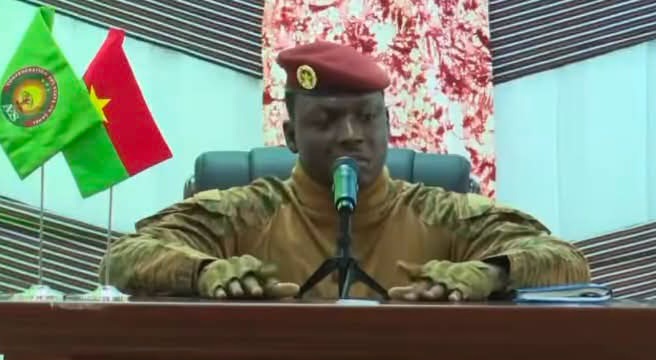
Burkina Faso’s military leader, Captain Ibrahim Traoré, has announced that his government has commenced an audit of the number of Burkinabè students studying abroad, with particular attention on those whose departure was not officially recorded.
In a recent video address, Traoré said the government discovered that a significant number of students studying overseas left the country without proper government documentation or approval.
He cited the example of students in Saudi Arabia, stating that out of about 1,000 Burkinabè students currently there, more than 800 reportedly travelled without the knowledge of authorities.
According to the military leader, the government is concerned that some students sent abroad for education may not be acquiring the technical and professional skills needed to contribute to Burkina Faso’s development, but could instead be exposed to extremist ideologies.
Traoré said the country needs education that supports national development, including science, technology, engineering, and other skills required in the 21st century.
He also stressed that religious teachings needed by Burkinabè citizens could be provided locally through recognised Islamic scholars, Christian leaders, and traditional authorities operating within the country’s legal framework.
“Where do they intend to apply those extremist laws? In Burkina Faso? Not here,” Traoré said, insisting that his government would take measures to address concerns surrounding foreign-based ideological influences.
He added that efforts would be made to bring affected students back home, warning that those who refuse to comply with government directives could face consequences under national laws.
The announcement has sparked wider debate across West Africa about the role of foreign religious education, overseas scholarships, and the need for stronger monitoring systems to ensure students abroad receive training that aligns with national development priorities.
Security analysts have long identified the spread of extremist ideologies as one of the factors contributing to the rise of violent groups in parts of the Sahel region, including Burkina Faso, Mali, and Niger.
The issue has also renewed discussions in countries such as Nigeria, where authorities have faced years of challenges from extremist groups including Boko Haram and other armed organisations.
Experts argue that preventing radicalisation requires a combination of effective education policies, community engagement, religious oversight, economic opportunities, and security cooperation rather than relying on military measures alone.
Burkina Faso Begins Audit of Overseas Students Amid Concerns Over Radicalisation, Traoré Says
