

History Shows Oppression Was Once Legal, Raising Questions About Law, Power, Justice
History Shows Oppression Was Once Legal, Raising Questions About Law, Power, Justice

History Shows Oppression Was Once Legal, Raising Questions About Law, Power, Justice
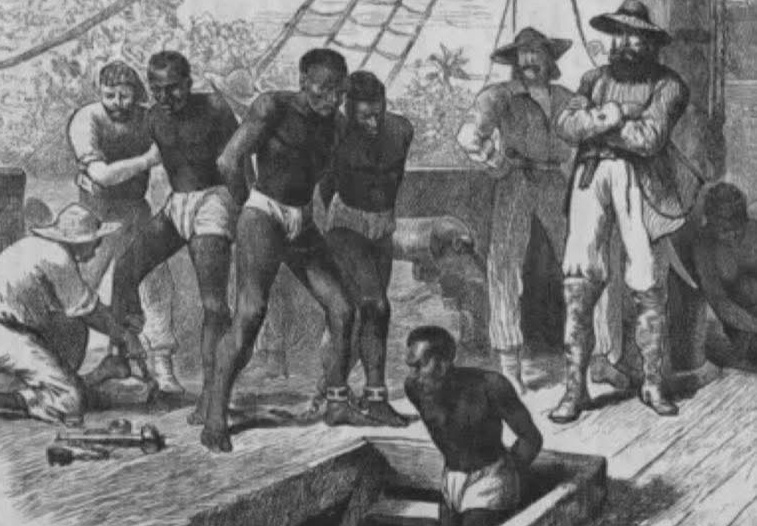
A growing reflection on global history highlights a difficult truth: many systems that oppressed Black people were once fully legal, raising deeper questions about the relationship between law, power and justice.
From transatlantic slavery to colonial rule, apartheid, and racial segregation laws, historical records show that these systems were not hidden or informal practices. They were formally written into legislation, upheld by courts, and enforced by governments of their time.
In the era of slavery, human bondage was codified in law, protected by legal institutions, and economically sustained by state structures. Colonial expansion across Africa was similarly legitimised through treaties, royal charters and agreements signed by European powers, which divided territories and controlled resources under the guise of lawful governance.
In the United States, Jim Crow segregation laws institutionalised racial separation in public life, while in South Africa, apartheid operated under a constitutional and legal framework that structured inequality for decades.
Historians note that these systems were maintained not in spite of the law, but through it—reflecting the interests of those who held political and economic power at the time.
The reflection has reignited broader discussions about the nature of law itself, with scholars and commentators emphasising that legality does not always align with morality or justice.
According to this perspective, law often reflects the priorities of dominant groups within a given historical period, rather than universal ethical standards. As such, what is considered lawful in one era may later be widely condemned as unjust in another.
The discussion also underscores the importance of historical awareness in evaluating present-day systems, with many arguing that understanding how legal frameworks were once used to sustain inequality is essential for assessing contemporary governance and social justice issues.
Ultimately, the reflection serves as a reminder that legality and justice are not always the same—and that history continues to shape how societies interpret fairness, rights and power today.
History Shows Oppression Was Once Legal, Raising Questions About Law, Power, Justice
