

Libya’s Fall and the Unfinished Debate Over Gaddafi’s Africa Vision
Libya’s Fall and the Unfinished Debate Over Gaddafi’s Africa Vision

Libya’s Fall and the Unfinished Debate Over Gaddafi’s Africa Vision
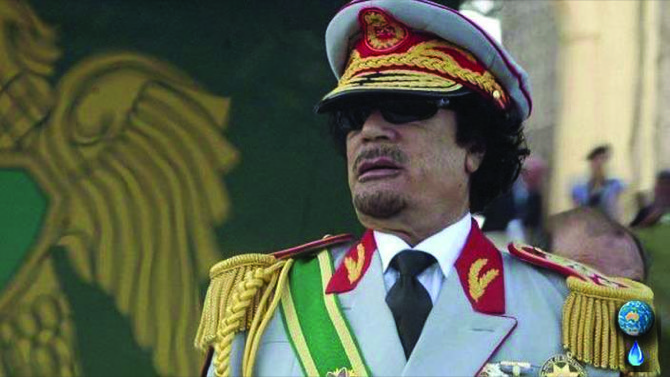
Former Libyan leader Muammar Gaddafi remains one of the most controversial figures in modern African history, with renewed debate over his economic and political vision for the continent following the 2011 conflict that led to his overthrow and death.
Before the collapse of his government, Libya was often cited in international development reports as one of Africa’s highest-ranking countries in terms of human development indicators, largely due to state-funded healthcare, education, and social welfare programmes.
Gaddafi also promoted the idea of deeper African financial independence, including proposals for a unified African currency system and increased use of gold reserves in trade. Supporters of the idea argued it could reduce reliance on external currencies in global trade, particularly the US dollar and other legacy monetary systems.
However, critics at the time viewed his leadership as authoritarian, citing restrictions on political opposition, governance concerns, and long-standing accusations of human rights violations.
In 2011, Libya descended into armed conflict during the Arab Spring uprisings, leading to a NATO-backed military intervention and the eventual fall of Gaddafi’s government. He was captured and killed in October 2011.
Following the collapse of the state, Libya experienced prolonged instability, with competing armed groups and political factions struggling for control. International organisations have since raised concerns about human trafficking networks and migrant abuse within parts of the country.
The aftermath of Libya’s conflict continues to fuel global debate about foreign intervention, state stability, and the long-term consequences of regime change operations.
Former U.S. Secretary of State Hillary Clinton and former U.S. President Barack Obama were key figures in the diplomatic and military decision-making process surrounding the intervention, which remains widely studied and debated in international relations circles.
More than a decade later, Libya’s trajectory is still cited as a case study in the complexities of external intervention and post-conflict reconstruction in fragile states.
Libya’s Fall and the Unfinished Debate Over Gaddafi’s Africa Vision
