

Obama Reflects on Libya Intervention as Debate Over Its Long-Term Consequences Continues
Obama Reflects on Libya Intervention as Debate Over Its Long-Term Consequences Continues

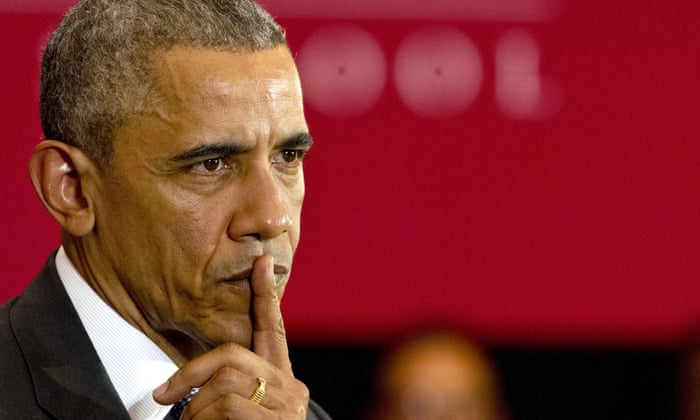
Obama Reflects on Libya Intervention as Debate Over Its Long-Term Consequences Continues
Former United States President Barack Obama has described the aftermath of the 2011 military intervention in Libya as one of the biggest regrets of his presidency, citing the failure to adequately plan for the country’s post-conflict transition.
In March 2011, the administration of then-President Obama supported the adoption of United Nations Security Council Resolution 1973, which authorised military intervention in Libya to protect civilians during the uprising against the government of former leader Muammar Gaddafi.
The NATO-led campaign lasted several months and ended with the collapse of Gaddafi’s government. In October 2011, Gaddafi was captured and killed by rebel fighters near Sirte after attempting to flee the city.
At the time, Obama described the operation as a successful mission achieved without deploying American ground troops.
However, years later, the former U.S. president acknowledged that while he believed the intervention was justified, his administration failed to develop an effective strategy for rebuilding Libya after Gaddafi’s removal.
Following the conflict, Libya descended into prolonged political instability, with rival governments, armed militias and competing factions struggling for control of the country.
The deteriorating security situation also contributed to a humanitarian crisis. In 2017, international attention focused on Libya after CNN released footage showing African migrants reportedly being sold in slave markets, prompting widespread condemnation and renewed calls for action to protect vulnerable migrants.
Before the conflict, Libya recorded one of the highest Human Development Index rankings in Africa. Analysts say years of instability have since weakened state institutions and created conditions that have fuelled insecurity, human trafficking and illegal migration.
More than a decade after the intervention, the long-term consequences of the Libya conflict continue to generate debate among policymakers, historians and international relations experts over the effectiveness of foreign military interventions and the importance of post-conflict reconstruction.
Obama Reflects on Libya Intervention as Debate Over Its Long-Term Consequences Continues
