


Oil Wealth, Poor People: Nigeria’s Endless Paradox
By Comfort Pius
At dawn in a quiet community in Delta State, Ebiowei, a commercial driver, leans against his bus, mentally recalculating his day. Not long ago, a full tank of petrol could sustain multiple trips and still leave enough profit to support his household. Today, the margins have narrowed significantly. “Everything is more expensive now,” he says, his voice measured but heavy with concern. His experience reflects a broader national reality—one where citizens continue to navigate rising costs in a country long defined by its oil wealth. It is this disconnect between resource abundance and everyday reality that continues to shape Nigeria’s economic conversation.
READ ALSO: 2027: Low Female Aspirants Spark Concern Among Gombe CSOs
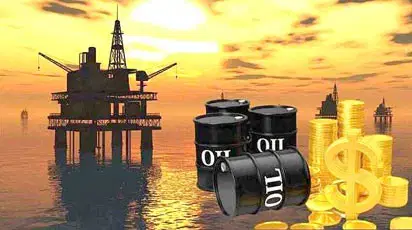
Nigeria’s dependence on crude oil has, for decades, provided both stability and constraint. Oil remains central to government revenue and export earnings, with institutions like the Nigerian National Petroleum Company Limited playing a key role in the sector’s operations. As a member of the Organization of the Petroleum Exporting Countries, Nigeria occupies a notable position in the global energy market. Yet, this prominence has not consistently translated into broad-based economic advancement, raising important questions about how resource wealth is harnessed and distributed.
A defining feature of Nigeria’s oil economy is its structural imbalance. The country exports crude oil in large volumes while continuing to depend significantly on imported refined petroleum products. This dynamic exposes the economy to fluctuations in global oil prices and exchange rates, with direct implications for domestic fuel costs. In practical terms, shifts in fuel pricing ripple quickly through transportation, food supply, and basic services areas that directly affect daily living. The outcome is an economy where national earnings and personal realities often move in opposite directions.
There is increasing awareness that while oil has generated substantial revenue, it has also shaped the pace and direction of development in other sectors. Agriculture, once a major pillar of the economy, has yet to fully reclaim its potential, while manufacturing continues to navigate persistent structural challenges. Growth, where it occurs, does not always translate into widespread employment opportunities. This raises a deeper consideration: whether reliance on a single dominant resource has inadvertently limited broader economic resilience.
At the same time, ongoing reforms and investments suggest a pathway toward improvement. Developments such as the Dangote Refinery are expected to strengthen local refining capacity and reduce dependence on imported fuel. These efforts represent important steps forward. However, their long-term significance will depend on how effectively they are integrated into a wider economic framework that prioritises diversification and sustainability. Infrastructure, while critical, is only one part of a much larger equation.
Beyond domestic considerations, the global energy environment is undergoing a significant shift. The movement toward cleaner and more sustainable energy sources commonly referred to as the Energy Transition is steadily gaining ground. Many economies are investing in renewable technologies and redefining their long-term energy strategies. While oil continues to play an important role, its future dominance is increasingly uncertain.
For Nigeria, this evolving reality presents both a challenge and a moment of reflection. Continued reliance on oil in a changing global landscape introduces long-term risks, particularly in terms of revenue stability and economic adaptability. At the same time, it highlights the urgency of strengthening other sectors capable of sustaining growth and creating opportunities. The question is no longer simply about managing oil wealth, but about preparing for a future where that wealth may not hold the same central position.
Comparative experiences offer useful perspective. Countries such as Norway have demonstrated how natural resource wealth can be managed with a long-term outlook, supported by strong institutions and strategic investment. While Nigeria’s context is unique, the broader lesson remains relevant: the value of a resource lies not only in its abundance, but in the discipline applied to its management.
There is also a more subtle dimension to Nigeria’s oil narrative one that extends beyond economics into national expectations. Over time, oil has come to symbolise opportunity and possibility. Yet, when outcomes do not align with expectations, the gap becomes more visible. Bridging this gap requires sustained commitment to transparency, efficiency, and inclusive growth, ensuring that national resources translate into tangible improvements in people’s lives.
daily calculations are not just personal they echo a wider national experience. They underscore the importance of aligning economic potential with lived reality. As Nigeria continues to navigate both domestic priorities and global shifts, the path forward will likely depend on its ability to balance existing strengths with emerging opportunities.
In the end, the true measure of Nigeria’s wealth will not be found in barrels of oil, but in how meaningfully that wealth shapes the everyday lives of its people.