

Power Across Borders: What Omoboriowo’s Appointment Means for Nigeria–Botswana Energy Cooperation

Power Across Borders: What Omoboriowo’s Appointment Means for Nigeria–Botswana Energy Cooperation
By Jerry Adesewo
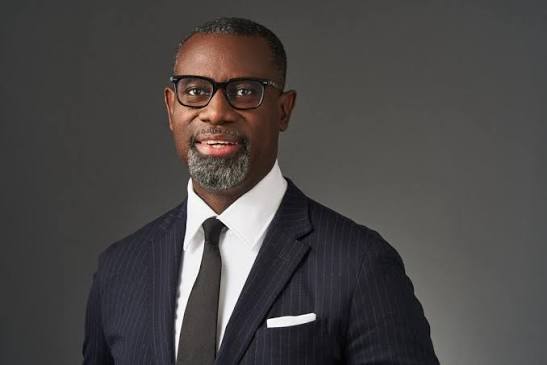
The appointment of Nigerian energy executive Akinwole II Omoboriowo as Vice Chairman of the Board of Directors of Botswana Power Corporation (BPC) is more than a corporate reshuffle. It is a strategic moment in Africa’s ongoing struggle for electricity stability — and a revealing comparison between two nations navigating very different, yet equally complex, power realities.
READ ALSO: Stolen Futures: Inside the Dark Web of Child Trafficking in Plateau State
Botswana’s decision to bring in a Nigerian energy strategist at board level reflects a deeper continental shift. African countries are increasingly recognising that unstable electricity is not merely an infrastructure challenge; it is a governance challenge. And governance, more than generation alone, determines whether megawatts translate into reliable light.
Scale vs Stability
At first glance, Nigeria appears far ahead of Botswana in electricity capacity. Nigeria’s installed capacity stands at roughly 13,000 megawatts (MW). Botswana’s installed capacity is significantly smaller — approximately 822 MW, largely anchored on the Morupule coal-fired plants.
But installed capacity tells only half the story.
Nigeria’s actual available generation frequently fluctuates between 4,000 and 4,500 MW, constrained by gas supply shortages, transmission bottlenecks, liquidity crises in the electricity market, and recurrent grid instability. In recent years, national grid collapses have become familiar headlines.
Botswana, by contrast, generates roughly 500 MW on average, supplementing domestic output with electricity imports from the Southern African Power Pool (SAPP). Its challenge is less about systemic collapse and more about capacity limitations and diversification.
Here lies the paradox: despite Nigeria’s far larger installed capacity, electricity reliability remains a chronic concern. Botswana’s grid is smaller, but its struggles are tied primarily to expansion and import dependency, not recurring national breakdowns.
Access and Distribution
The contrast extends to electricity access.
World Bank data shows that approximately 61 percent of Nigerians have access to electricity. Botswana’s access rate is estimated at roughly 70 percent, reflecting a more even distribution relative to its smaller population size, although rural gaps remain.
Nigeria’s access rate is weighed down by vast rural deficits and urban reliability challenges. Botswana’s smaller geography allows for relatively more consistent distribution, even if total capacity remains modest.
In simple terms, Nigeria has more megawatts on paper. Botswana has fewer megawatts but a more contained system to manage.
Governance at the Core
Botswana’s decision to appoint Omoboriowo signals recognition that governance and strategic oversight are central to stabilising electricity supply.
Botswana faces pressing priorities:
- Improving coal plant performanceR
- Reducing overreliance on imports
- Accelerating renewable integration
- Attracting private capital
Nigeria’s power challenges are broader and more layered:
- Gas supply disruptions
- Transmission infrastructure constraints
- Market liquidity shortages
- Tariff and subsidy controversies
- Distribution inefficiencies
The scale differs, but the common thread is governance reform.
Electricity crises across Africa often stem not from the absence of generation assets alone, but from weak institutional coordination, inconsistent regulatory enforcement, and fragile financial discipline within utilities.
Why a Nigerian? Why Omoboriowo?
Nigeria’s electricity market, despite its struggles, is one of Africa’s most complex. From generation privatisation to independent power projects and gas-to-power structuring, Nigerian professionals have developed experience navigating reform under pressure.

Omoboriowo, who leads GENESIS Energy Group, has worked across multiple African markets, structuring generation projects and mobilising capital. His appointment suggests Botswana is seeking tested reform experience, not ceremonial representation.
Botswana is not merely importing a professional. It is importing reform exposure.
Beyond Diplomacy
Traditionally, Nigeria’s influence in Africa has centered on peacekeeping, regional politics, and economic leadership. Energy diplomacy has often remained understated.
This appointment subtly expands that frontier.
If successful, it could:
- Deepen professional exchange between West and Southern Africa
- Encourage cross-regional energy partnerships
- Position Nigeria as a source of governance expertise in infrastructure reform
Energy collaboration may also reinforce continental integration under frameworks such as the African Continental Free Trade Area (AfCFTA), particularly in power trade and infrastructure financing.
The Governance Question for Nigeria
There is irony in this moment.
Nigeria continues to battle grid collapses, tariff disputes, and inconsistent generation. Yet Nigerian professionals are being tapped to strengthen utilities abroad.
This raises a quiet but important question: if Nigerian expertise is exportable, why has domestic reform remained uneven?
The answer may lie not in technical capacity but in political alignment. Electricity reform demands sustained policy consistency, regulatory independence, and institutional discipline — often across electoral cycles.
Botswana’s board-level restructuring suggests recognition that stabilisation begins at the top.
A Continental Energy Moment
Across Africa, nearly 600 million people lack reliable electricity access. Even countries with moderate electrification rates face instability and rising energy costs.
Stable power is not simply about comfort. It underpins:
- Industrial competitiveness
- Healthcare delivery
- Digital transformation
- Foreign investment confidence
Botswana’s willingness to strengthen governance through cross-border expertise reflects a growing continental maturity. African nations are increasingly acknowledging that expertise need not be national to be legitimate.
Looking Ahead
Botswana’s power trajectory will depend on:
- Modernising thermal assets
- Scaling renewable integration
- Strengthening financial discipline within BPC
- Enhancing regional interconnection
Omoboriowo’s role sits at the intersection of these objectives.
For Nigeria, his appointment offers an opportunity to reshape its energy narrative. Rather than being seen solely as a country struggling with electricity instability, Nigeria can position itself as a source of reform experience forged through complexity.
A Shared Lesson
Africa’s electricity challenge is shared. So must be its solutions.
When one African nation appoints expertise from another, it signals a shift away from insularity toward continental pragmatism.
Stable electricity is not merely a technical objective. It is a governance test.
And in that sense, Omoboriowo’s appointment is more than a headline. It is a reminder that Africa’s development may increasingly depend on Africans solving African problems — together.
And it is for this singular reason that the President Duma Gideon Boko of the Republic of Bostwana must be commended for looking within the continent for this appointment.