

Two Worlds, One Nation: Nigeria’s Widening Urban Rural Divide

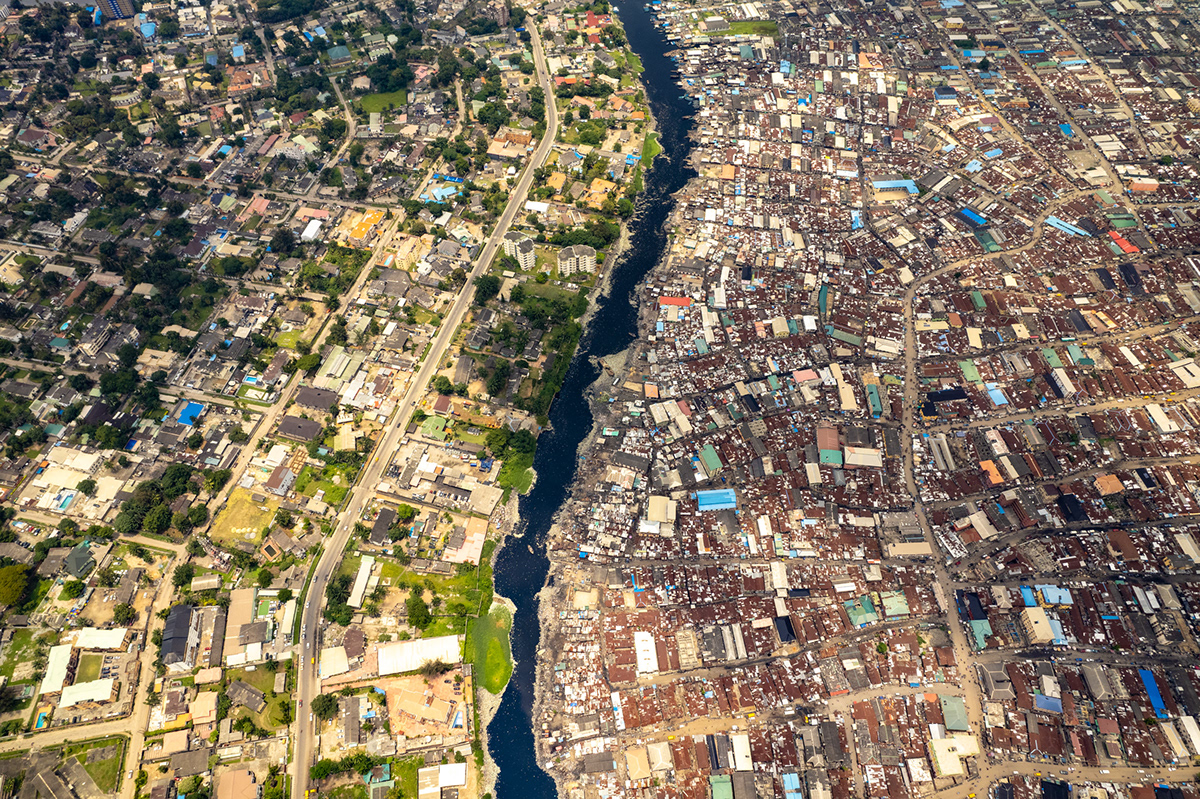
Two Worlds, One Nation: Nigeria’s Widening Urban-Rural Divide
By Comfort Pius
Helen still remembers the morning she left her village in southern Plateau for Abuja. Her mother stood by the roadside, clutching a small bag of food, while neighbours gathered to wish her well. Back home, Helen spoke her native dialect with ease, helped on the family farm, and knew everyone by name. In Abuja, everything changed. Today, barely three years later, she scrolls through her smartphone with practiced ease, speaks fluent English and pidgin, and pauses, sometimes embarrassed, when searching for words in her mother tongue. “Sometimes,” she says quietly, “I feel like I don’t fully belong anywhere anymore.”
READ ALSO: Oshiomhole Warns of Retaliatory Measures Against South Africa Over Alleged Attacks
Helen’s story captures a growing reality. Across Nigeria, a widening divide between urban and rural life is not only shaping opportunities; it is reshaping identity itself. Beneath the country’s economic struggles lies a quieter but more enduring fracture: two different experiences of Nigeria, evolving at unequal speeds.
In cities like Abuja and Lagos, life is defined by motion and access. A young graduate attends virtual trainings, applies for remote jobs, and participates in global conversations from a handheld device. In contrast, in many rural communities across Plateau, Benue, and Taraba, his counterpart may walk several kilometres to a classroom with limited materials, unreliable electricity, and no internet access. According to recent estimates, over half of Nigerians in rural areas lack reliable internet connectivity, effectively shutting millions out of the digital economy that is rapidly shaping modern livelihoods.
This gap is not just technological; it is transformational. It determines who gets to dream bigger, who gets seen, and who gets left behind.
Yet, while urban Nigeria surges ahead in opportunity, rural communities remain the custodians of cultural continuity. Indigenous languages are spoken without hesitation, traditional marriage rites are observed in full, and communal living still defines relationships. In cities, however, culture is increasingly negotiated. English and pidgin dominate conversations; traditions are shortened or adapted, and identity becomes fluid, sometimes fragile. What is gained in exposure is often lost in rootedness.
Still, it would be simplistic to frame this as a loss alone. Urbanization has opened doors that rural settings often cannot. It has expanded access to education, encouraged innovation, and created space for shifting gender roles. Women in cities are more likely to pursue careers and assert independence. Young people encounter ideas that challenge long-held limitations. But this progress carries a cost—weakening communal ties, rising individualism, and a gradual erosion of shared cultural anchors.
Migration continues to deepen the divide. Each year, thousands of young Nigerians leave their villages, chasing opportunity in cities that promise more than rural life can offer. But as urban centres expand, rural communities are hollowed out. Farms are left to aging hands, local economies slow, and entire communities risk stagnation. This is no longer just a demographic shift; it is a pattern of systemic inequality, where development concentrates in one space while neglect persists in another.
For many migrants, the result is a quiet identity struggle. They exist between two worlds, no longer fully at home in the village, yet not entirely integrated into urban life. In trying to belong, some abandon their roots; others carry them silently, unsure how to reconcile both identities. Helen’s hesitation with her native language is not just personal; it is symbolic of a broader cultural drift.
This raises an uncomfortable question: is Nigeria, perhaps unintentionally, building a two-tier society? For decades, development policies have favoured urban expansion, leaving rural communities underfunded and underserved. Roads, schools, healthcare, and digital infrastructure remain unevenly distributed. Those in cities benefit from visibility and investment; those in rural areas navigate neglect. The imbalance is not incidental; it is structural.
And when inequality becomes structural, it breeds more than disparity; it creates disconnection. A country cannot sustain unity when its people live fundamentally different realities. Culture, after all, is the thread that binds a nation. When that thread begins to fray, cohesion weakens.
The solution is not to romanticize rural life or resist urban progress. It is to pursue balance with intention. Nigeria must invest meaningfully in rural infrastructure, education, and digital access, while also preserving the cultural heritage that defines its identity. Development should not demand cultural erasure, and tradition should not limit opportunity.
The divide between urban and rural Nigeria is no longer just about place; it is about direction. Are these two worlds moving forward together or drifting irreversibly apart?
Because if the gap continues to widen, Nigeria risks becoming more than unevenly developed. It risks becoming a nation quietly divided against itself, two realities, one name, and a future that may no longer be shared.