


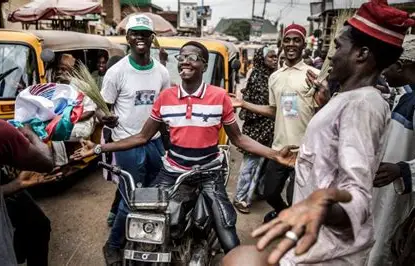
Nigerians Are Not Lazy; They Are Exhausted
By Comfort Pius
There is a silent anger growing across Nigeria. It is visible in overcrowded buses, in market women arguing over prices, in exhausted workers returning home late at night, and in young graduates who now see survival as a greater achievement than success. Nigeria is gradually becoming a country where ordinary people work harder every day yet live worse than they did yesterday.
For millions of Nigerians, the issue is no longer about luxury or comfort. It is about survival.
READ ALSO: Abdulsamad Rabiu Nears $20bn Milestone as Wealth Surges on Strong Business Growth
The rising cost of living has changed the emotional atmosphere of the country. Food prices continue to increase almost weekly. Transportation fares have become unbearable. Electricity tariffs are rising despite poor power supply, while rent, school fees, and healthcare costs are pushing many families beyond their limits. What used to sustain a household for a month can barely last two weeks today.
In many homes, budgeting has become an extreme sport.
The removal of fuel subsidy and the continued depreciation of the naira have worsened economic realities for citizens. While economic reforms may be necessary in the long term, the immediate pain on ordinary Nigerians has been severe. The average citizen measures economic policies not through official explanations or television interviews, but through the price of rice, bread, transport, and cooking gas.
And right now, the verdict from the streets is harsh.
Across the country, many workers now spend a significant portion of their salaries on transportation alone. Small business owners are struggling with the high cost of fuel and unstable electricity. Parents are increasingly withdrawing children from expensive schools or reducing the quality of meals at home. Some families now eat once or twice daily, not by choice, but by necessity.
Yet despite all these realities, Nigerians continue to wake up every morning and push forward.
That is why it is unfair when struggling citizens are described as lazy or unwilling to work. Nigerians are among the most hardworking people in the world. From roadside traders to commercial drivers, artisans, civil servants, and young entrepreneurs, millions of people hustle daily under extremely difficult conditions. The real problem is that hard work no longer guarantees stability.
This is perhaps the most painful part of the crisis.
There was a time when a salary, though modest, could sustain a family. There was a time when young graduates believed education could secure a better future. Today, many educated youths move from one temporary job to another, while others desperately seek opportunities abroad. The “Japa” wave is not simply about travel; it is a symptom of hopelessness.
People are tired.
The emotional impact of the economic situation is also becoming impossible to ignore. Mental exhaustion is increasing quietly across the country. Many Nigerians now live under constant anxiety about bills, feeding, and the uncertainty of tomorrow. The frustration is visible online and in everyday conversations. Tempers rise faster. Patience is fading. Hope is weakening.
Unfortunately, economic hardship affects more than bank accounts; it changes behavior, relationships, and even national morale.
A hungry population becomes an angry population.
History has shown that prolonged economic hardship can weaken trust in institutions and increase social tension. This is why leaders must understand that economic statistics alone cannot calm public frustration. Citizens want visible improvement in their daily lives. They want affordable food, stable electricity, reliable transportation, and policies that genuinely reduce suffering.
At the same time, Nigerians themselves must resist the temptation to normalize hardship. Suffering should never become a national identity. There is a dangerous culture developing where citizens glorify endurance instead of demanding accountability and sustainable solutions. While resilience is admirable, no nation progresses by permanently placing survival above dignity.
Nigeria remains a country blessed with enormous human and natural resources. What is lacking is not potential, but effective management, transparency, and people-centered governance. The average Nigerian does not ask for miracles. What people want is simple: a fair chance to live decently after honest work.
The silent anger across the country should not be ignored because silence does not always mean peace. Sometimes, silence is simply exhaustion.
And today, Nigerians are exhausted.