

Wasila Tasi’u: The Child Bride Whose Case Sparked a National Debate on Child Marriage
Wasila Tasi’u: The Child Bride Whose Case Sparked a National Debate on Child Marriage

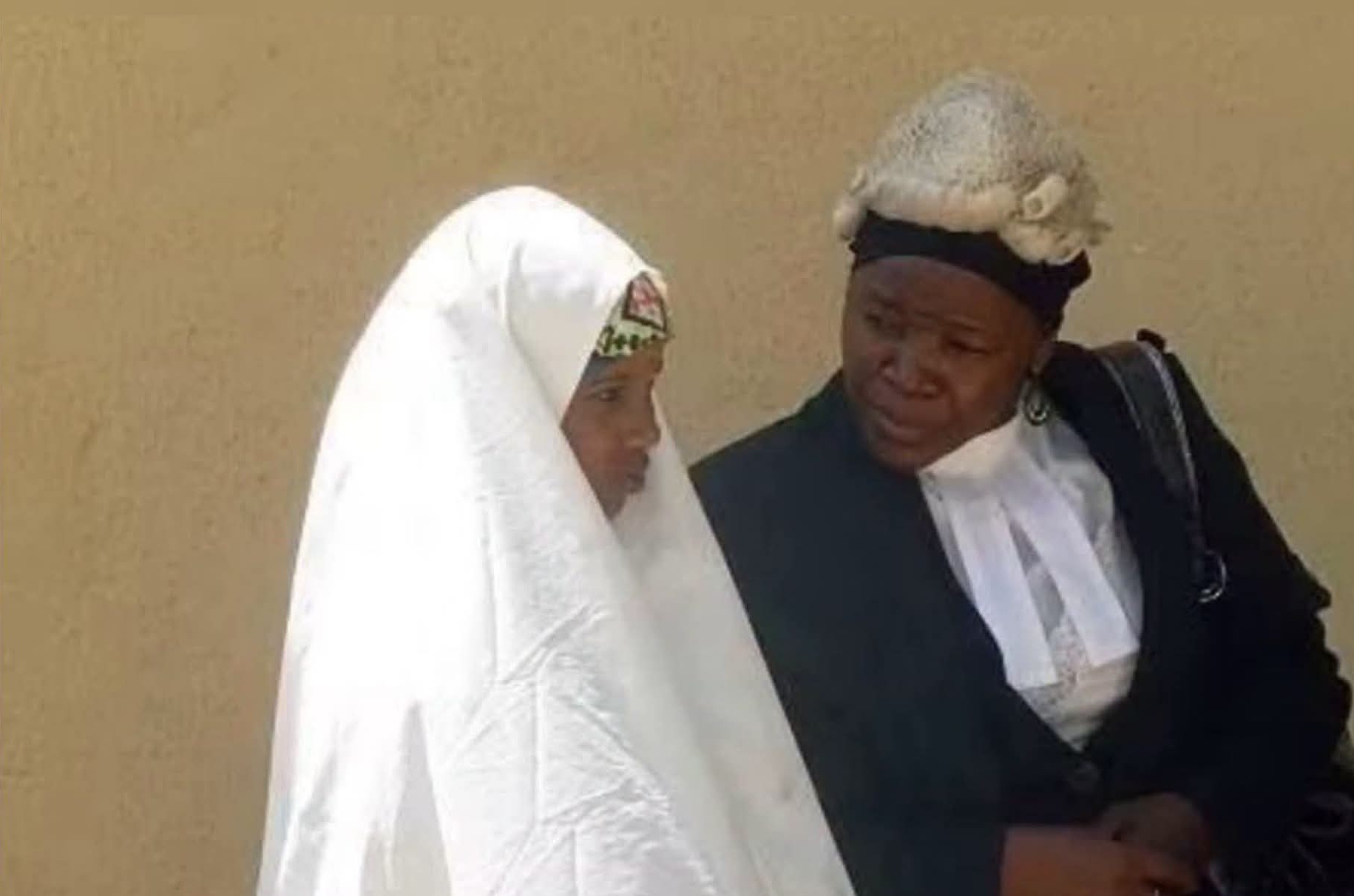
Wasila Tasi’u: The Child Bride Whose Case Sparked a National Debate on Child Marriage
In 2014, the case of Wasila Tasi’u, a 14-year-old girl from Kano State, became one of Nigeria’s most closely watched child-marriage and criminal justice cases, attracting national and international attention.
Wasila was accused of poisoning a meal served at a gathering celebrating her marriage to 35-year-old Umar Sani in Unguwar Yansoro, Kano State. Four people, including Sani, died after eating the food, according to contemporary reports.
The tragedy soon became much bigger than a criminal case. It raised difficult questions about child marriage, consent, the treatment of minors within the criminal justice system and the responsibilities of families and communities toward vulnerable children.
A 14-Year-Old at the Centre of a Murder Case
Wasila was 14 when she married Sani. Prosecutors alleged that she deliberately put rat poison into food prepared for a post-wedding gathering because she regretted the marriage.
The prosecution’s case included the testimony of a seven-year-old girl who told the court that Wasila had given her money to purchase rat poison. Wasila’s defence, however, challenged the evidence and questioned whether the prosecution had established the necessary intent and cause of death.
Wasila denied the charge, and her defence team argued that she should not be treated as an adult murderer. Human-rights campaigners similarly maintained that she was a child who required protection and rehabilitation rather than a death sentence.
The Death Penalty Debate
The case generated enormous controversy because prosecutors initially pursued a murder charge that could have resulted in the death penalty if she had been convicted.
The proceedings also drew attention to Nigeria’s treatment of juvenile offenders. Contemporary reporting noted that Nigeria was not known to have executed a juvenile offender since 1997.
Wasila remained in detention as the case proceeded through the High Court in Gezawa. In April 2015, the court initially ruled that there was sufficient evidence for the case to proceed after rejecting a defence submission that there was no case to answer.
Charges Eventually Withdrawn
The case took a dramatic turn in May 2015 when Kano State prosecutors applied to terminate the culpable-homicide proceedings against Wasila.
On June 9, 2015, Justice Mohammed Yahaya formally granted the state’s application of nolle prosequi and discharged Wasila. The decision cleared the way for her release from custody.
The decision was welcomed by rights advocates, who had argued throughout the case that Wasila’s age and circumstances required special consideration.
Reports at the time also said that relatives of some of the deceased accepted the withdrawal of the charges after discussions concerning financial compensation.
A Case That Became a Symbol
Wasila Tasi’u’s story remains significant not because the tragedy surrounding the deaths should be forgotten, but because her case forced difficult questions into the national conversation.
How should society respond when a child becomes involved in a serious crime? What protection should children receive when they are placed in marriages before they are emotionally or socially prepared for them? And how should the justice system balance accountability with the special circumstances surrounding a minor?
Those questions made Wasila’s case a powerful reference point in discussions about child marriage in northern Nigeria.
Her story also demonstrated the importance of ensuring that children have access to education, protection, legal representation and safe avenues for seeking help when they find themselves in situations they cannot escape on their own.
More than a decade after the case was concluded, Wasila Tasi’u’s name remains associated with one of Nigeria’s most controversial child-marriage cases—a case that brought together questions of family, culture, childhood, justice and human rights.
Note: Some versions of this story circulating online contain additional claims about Wasila’s upbringing, forced marriage, religious rulings and threats against lawyers that are not consistently supported by contemporary court reporting. For accuracy, those claims should not be presented as established facts without stronger primary-source evidence. The contemporary record confirms the core events: Wasila was 14, Umar Sani was 35, four people died after the meal, she was prosecuted for culpable homicide, and the case was ultimately withdrawn and she was discharged in June 2015.
Wasila Tasi’u: The Child Bride Whose Case Sparked a National Debate on Child Marriage
