


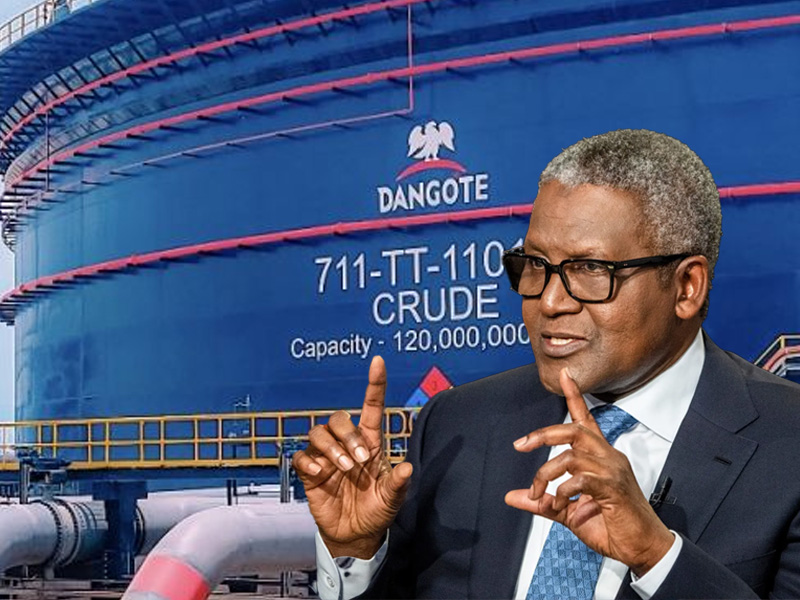
Dangote’s Shield: How Nigeria Dodged a Fuel Crisis Amidst the Iran War
By Matthew Eloyi
The ongoing war involving Iran, the United States and Israel may be thousands of kilometres away from Nigeria, but its consequences are being felt across global energy markets. Missiles and military strategy dominate the headlines, yet the real shockwave travels through oil tankers, insurance premiums and commodity exchanges. In moments like this, energy security becomes more than an economic concept; it becomes a matter of national stability. For Nigeria, this conflict could easily have triggered another painful era of fuel scarcity if not for the operational presence of the Dangote Refinery.
The Middle East remains central to global oil supply, and any major disruption in that region instantly tightens markets. A key flashpoint is the Strait of Hormuz, the narrow passage through which a significant portion of the world’s seaborne crude oil passes daily. When tensions escalate there, tanker movements slow, insurance costs rise and traders price in risk. Even the mere threat of disruption can push crude prices sharply upward. For oil-importing nations, this translates directly into higher fuel costs and, in extreme cases, supply shortages.
Nigeria’s vulnerability in such moments has historically been self-inflicted. Despite being one of Africa’s largest crude oil producers, the country spent decades exporting raw crude while importing refined petroleum products. Its state-owned refineries functioned far below capacity, leaving the country dependent on foreign refineries for petrol. When global prices spiked or shipping routes were disrupted, Nigeria felt the impact immediately. Long fuel queues, rationing, hoarding and sudden pump price hikes became familiar scenes. Under a deregulated pricing system, international price shocks flow quickly into domestic markets, meaning ordinary Nigerians bear the burden.
If this current Middle East war had erupted five years ago, Nigeria would almost certainly be experiencing acute scarcity by now. Higher crude prices would have inflated import bills. A weakening naira would have compounded the cost of securing dollars to pay international suppliers. Shipping insurance premiums would have climbed because of heightened risks in global maritime routes. Marketers, facing uncertainty, might have reduced supply volumes. The result would likely have been empty filling stations in major cities, panic buying and a spike in transport fares that would ripple through food prices and general inflation. In a country where energy costs shape almost every aspect of economic life, the social consequences could have been severe.
This is where the Dangote Refinery has changed the equation. With a refining capacity large enough to meet domestic demand and even export surplus products, the facility represents a structural shift in Nigeria’s energy architecture. Rather than relying almost entirely on imported petrol, Nigeria now refines a substantial portion of its consumption locally. Crude may still be priced internationally, but the country is no longer exposed to the same level of logistical and shipping vulnerability. The physical availability of fuel is less dependent on tankers arriving from distant ports.
The refinery does not insulate Nigeria completely from global price movements. When crude prices rise because of war, refining costs rise too. Pump prices can still increase. Nigerians have already seen price adjustments in response to global volatility. However, there is a crucial difference between higher prices and outright scarcity. In previous crises, Nigeria faced both at once: rising prices and empty pumps. Today, while prices may fluctuate, the likelihood of widespread fuel queues is significantly reduced because supply is anchored domestically.
Moreover, local refining shortens the supply chain. Fewer international shipping legs mean fewer exposure points to geopolitical disruption. Insurance risks tied to distant war zones have less direct effect on the physical movement of refined products into Nigerian depots. The country retains more control over distribution and inventory management. That control translates into stability during turbulent times.
The broader lesson is about strategic foresight. Energy independence is often discussed in abstract policy language, but moments of global crisis reveal its tangible value. The war in Iran has once again demonstrated how interconnected the world’s energy system is. A missile strike in the Middle East can influence transport fares in Lagos within weeks. For Nigeria, the Dangote Refinery has become more than a private industrial venture; it is a buffer against external shocks that could otherwise destabilize the economy.
Without it, Nigeria might be facing the grim spectacle of nationwide fuel queues, soaring pump prices beyond the reach of many citizens and heightened social tension. Instead, while the global market remains volatile and pump prices may still reflect international realities, the country is spared the deeper crisis of supply collapse. In a world where geopolitical instability appears increasingly frequent, that distinction is not minor. It is the difference between discomfort and chaos.
