


Dollars for Silence: The Disturbing Trend of Buying Off Nigeria’s Voices
By Matthew Eloyi
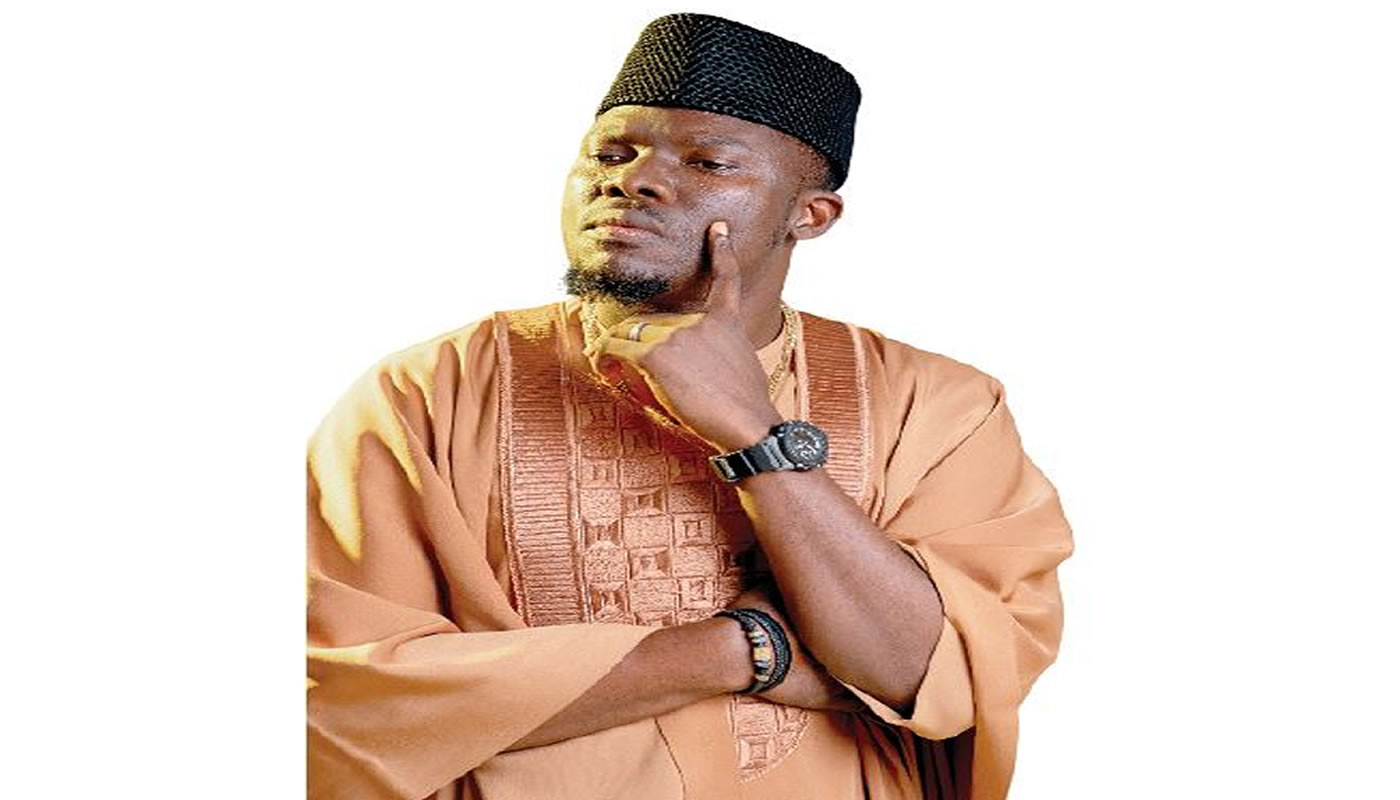
The recent revelation by comedian Kevin Chinedu, popularly known as Kevinblak, should trouble anyone concerned about the state of Nigeria’s democracy. His account is not just a personal story of integrity; it is an indictment of a political culture that increasingly seeks to purchase silence rather than earn public trust.
Speaking on Arise 360, Chinedu disclosed that officials from a political party attempted to bribe him with dollars to tone down or alter his satirical skits that critique politicians and governance. The implication is clear: rather than address the issues raised by critics, some politicians would rather neutralise dissent through financial inducement.
“They said they were going to change my life, that I’m earning crumbs, you know, give me dollars. They mentioned that my colleagues are in the game and all of that,” he said.
This is where the real problem lies. When public office holders or their agents resort to bribery to manipulate narratives, they are not merely corrupting individuals; they are undermining democratic accountability. Satire, like journalism, plays a vital role in exposing excesses and prompting public debate. Attempting to silence it is an attack on free expression.
Even more troubling is the timing of the approach. Chinedu revealed that he was targeted shortly after his wife underwent a Caesarean section, at a moment when he was under financial pressure.
“I had a lot of bills on my head and I just heard come, come to Abuja, let’s change your life. Dollars upon dollars,” he said.
This reflects a calculated strategy: identify vulnerability, then exploit it. Such tactics expose a deeply cynical view of citizens, where integrity is assumed to be negotiable if the price is right.
Chinedu declined to name the party, referring to it only as “Amuneke’s party,” and warning against speculation.
“Don’t mention names, trust me, don’t mention names,” he said.
But whether named or not, the behaviour he describes is emblematic of a broader political malaise. Too many politicians appear more invested in controlling perception than in delivering performance. Rather than fixing governance failures, they attempt to manage criticism, often through coercion, patronage, or outright bribery.
What stands out, however, is Chinedu’s refusal to compromise his principles.
“I looked at it, I said, no, I am who I am. I’ve been here for a long time, and I’ve never been in any illegal thing, and I’ve never been somewhere, you know, I’m doing something because I’m being influenced, because of money.
“If I want to do it, it should be something I’m doing because I want to do it. So, you know, it is what it is,” he said.
Read Also: Kaduna Governor Uba Sani Bags NIPR Honorary Fellowship Ahead of Investiture
His stance is commendable, but it also raises an uncomfortable question: how many others, faced with similar pressures, have accepted?
Chinedu further noted that even within his circle, such offers are not uncommon.
“I don’t have friends that are easily overwhelmed with money. I have people who have principles because they have, you know, approached them, they themselves. So, we always have that conversation,” he said.
If true, this suggests a pattern; one that points to systemic efforts to co-opt voices of influence in the digital space. In an era where comedians, skit makers, and influencers shape public opinion, they have become targets for political manipulation.
A democracy cannot thrive where criticism is bought, where voices are compromised, and where truth is treated as a commodity. Politicians who engage in such practices reveal not strength, but weakness (a lack of confidence in their ability to withstand scrutiny).
Ultimately, the burden should not rest solely on individuals like Chinedu to resist. The real responsibility lies with political actors to abandon these corrosive tactics and embrace transparency, accountability, and genuine engagement with the public.
