

From Orphanage to Fashion Empire: How Coco Chanel Revolutionised the World of Style
From Orphanage to Fashion Empire: How Coco Chanel Revolutionised the World of Style

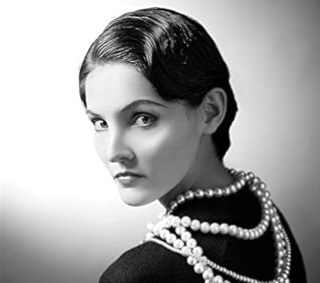
From Orphanage to Fashion Empire: How Coco Chanel Revolutionised the World of Style
Few names have transformed the fashion industry as profoundly as Coco Chanel. Born into poverty and raised in an orphanage, Chanel overcame personal tragedy and social barriers to build one of the world’s most influential luxury fashion houses.
More than a century after opening her first boutique, the Chanel brand remains one of the most valuable names in global fashion, recognised for timeless elegance, innovation and enduring influence.
A Difficult Childhood
Born Gabrielle Bonheur Chanel on August 19, 1883, in Saumur, Chanel experienced hardship from an early age.
When she was just 12 years old, her mother died from illness. Soon afterwards, her father, unable to care for the family, left Gabrielle and her sisters in a convent-run orphanage while her brothers were sent elsewhere.
Life at the orphanage was strict, but it was there that Gabrielle learned sewing from the nuns—an experience that would shape her future and lay the foundation for one of the world’s greatest fashion empires.
From Seamstress to “Coco”
After leaving the orphanage at 18, Chanel worked as a seamstress during the day while performing as a singer in cafés and cabarets in the evenings.
She frequently performed songs including Qui qu’a vu Coco?, from which she earned the nickname “Coco”—a name that would remain with her for the rest of her life.
Although her singing career never achieved major success, it introduced her to influential social circles that would eventually open doors to business opportunities.
The Beginning of Chanel
A turning point came when Chanel met wealthy English businessman Arthur Capel, popularly known as “Boy” Capel.
Recognising her talent and ambition, Capel provided financial support that enabled her to establish her first millinery boutique.
In 1910, Chanel opened her first boutique on Rue Cambon in Paris, initially selling hats that quickly became fashionable among French actresses and wealthy women.
Within a few years, she expanded into clothing, introducing simple yet elegant designs that challenged the heavily structured fashion of the early 20th century.
Changing Women’s Fashion Forever
At a time when women were expected to wear restrictive corsets, heavy dresses and elaborate garments, Chanel introduced a radically different philosophy.
Her designs emphasised simplicity, comfort and practicality without sacrificing elegance.
She popularised jersey fabric, previously used mainly for men’s underwear, transforming it into fashionable women’s clothing.
Among her most enduring contributions were the Little Black Dress, introduced in the 1920s, and the iconic Chanel Suit, known for its tweed jacket and comfortable silhouette.
Her philosophy—that luxury should also be comfortable—redefined women’s fashion across Europe and beyond.
The Birth of Chanel No. 5
In 1921, Chanel launched what would become one of the world’s most famous fragrances—Chanel No. 5.
Unlike traditional perfumes of the era that relied heavily on floral scents, Chanel No. 5 featured a more complex composition using synthetic aldehydes, creating a distinctive fragrance that remains one of the best-selling perfumes in history.
Its global popularity was further strengthened decades later when Hollywood icon Marilyn Monroe famously remarked that she wore “nothing but Chanel No. 5” to bed.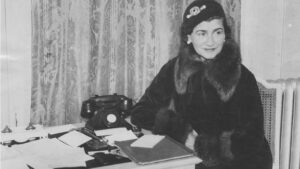
World War II and Controversy
The outbreak of the World War II marked one of the most controversial periods of Chanel’s life.
As Paris came under German occupation, Chanel closed much of her fashion business.
Following the war, allegations emerged regarding her relationship with a German intelligence officer and possible collaboration with Nazi authorities.
Although she was questioned after France’s liberation, she was never formally convicted of any crime.
Facing public criticism, Chanel relocated to Switzerland, where she spent nearly a decade away from the fashion industry.
Historians continue to debate aspects of her wartime activities, making this one of the most controversial chapters of her legacy.

A Remarkable Comeback
Many believed Chanel’s career had ended.
However, at the age of 71, she returned to Paris in 1954 and reopened her fashion house.
Initial reviews from French critics were lukewarm, but international markets—particularly in the United States—embraced her modern designs.
Her reinvented tweed suits, quilted handbags and timeless collections quickly restored Chanel’s reputation and re-established the brand among the world’s leading luxury fashion houses.
A Lasting Legacy
Coco Chanel died on January 10, 1971, at the age of 87, in Paris, where she had spent much of her professional life.
Although she never married and had no children, her influence continues to shape fashion worldwide.
Today, Chanel is regarded as one of the most prestigious luxury brands globally, producing haute couture, ready-to-wear collections, handbags, jewellery, watches, cosmetics and fragrances.
The privately owned company generates billions of dollars in annual revenue and remains a symbol of sophistication, craftsmanship and timeless style.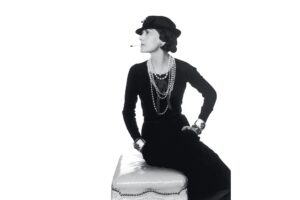
More Than Fashion
Coco Chanel’s life remains one of resilience, reinvention and extraordinary ambition.
From an orphanage in rural France to the pinnacle of global luxury, she transformed personal adversity into creative innovation.
Her journey demonstrates how determination, talent and a willingness to challenge convention can redefine an industry and leave a legacy that continues to inspire generations of designers, entrepreneurs and fashion enthusiasts around the world.
From Orphanage to Fashion Empire: How Coco Chanel Revolutionised the World of Style
