

Japan’s Parking Law Ties Car Ownership to Responsibility, Reduces Urban Congestion
Japan’s Parking Law Ties Car Ownership to Responsibility, Reduces Urban Congestion

Japan’s Parking Law Ties Car Ownership to Responsibility, Reduces Urban Congestion
Japan has long enforced a unique policy that links car ownership to proof of parking, a measure credited with helping maintain order in some of the world’s busiest cities.
ALSO READ: Tinubu Commissions Ogun Airport, Says Reforms Aimed at Citizens’ Prosperity
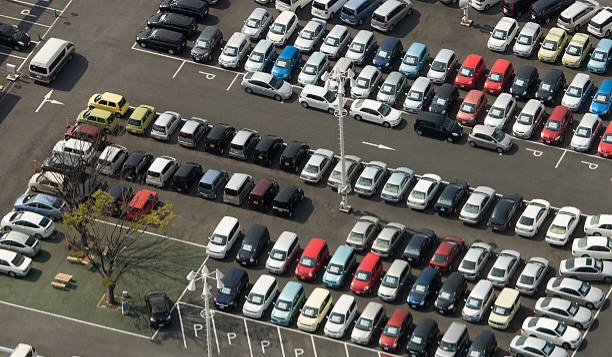
Under the regulation, citizens must provide evidence of a dedicated parking space located within two kilometres of their residence before they can legally purchase a vehicle. The law, introduced in 1962, is designed to prevent street congestion and eliminate indiscriminate roadside parking.
The policy has contributed significantly to efficient traffic management in major urban centres such as Tokyo and Osaka, where space is limited and population density is high.
Studies by the Japan Automobile Dealers Association and researchers from the University of Tokyo indicate that the requirement has helped reduce illegal parking and ease traffic congestion, while encouraging more deliberate decisions about vehicle ownership.
Urban planning experts note that the system treats car ownership not merely as a personal choice but as a civic responsibility tied to available infrastructure. By ensuring that every vehicle has a designated space, the policy minimises the burden on public roads and enhances overall city mobility.
The Japanese model is often cited as an example of how regulatory frameworks can shape behaviour and improve urban living standards, particularly in densely populated environments.
Japan’s Parking Law Ties Car Ownership to Responsibility, Reduces Urban Congestion
