

Nigeria Adopts New National Food, Nutrition Policy, Targets 2035 Milestones
Nigeria Adopts New National Food, Nutrition Policy, Targets 2035 Milestones

Nigeria Adopts New National Food, Nutrition Policy, Targets 2035 Milestones
The National Council on Nutrition (NCN) has adopted the National Policy on Food and Nutrition (NPFN) 2026–2035, setting the stage for a coordinated national response to malnutrition and food insecurity across the country.
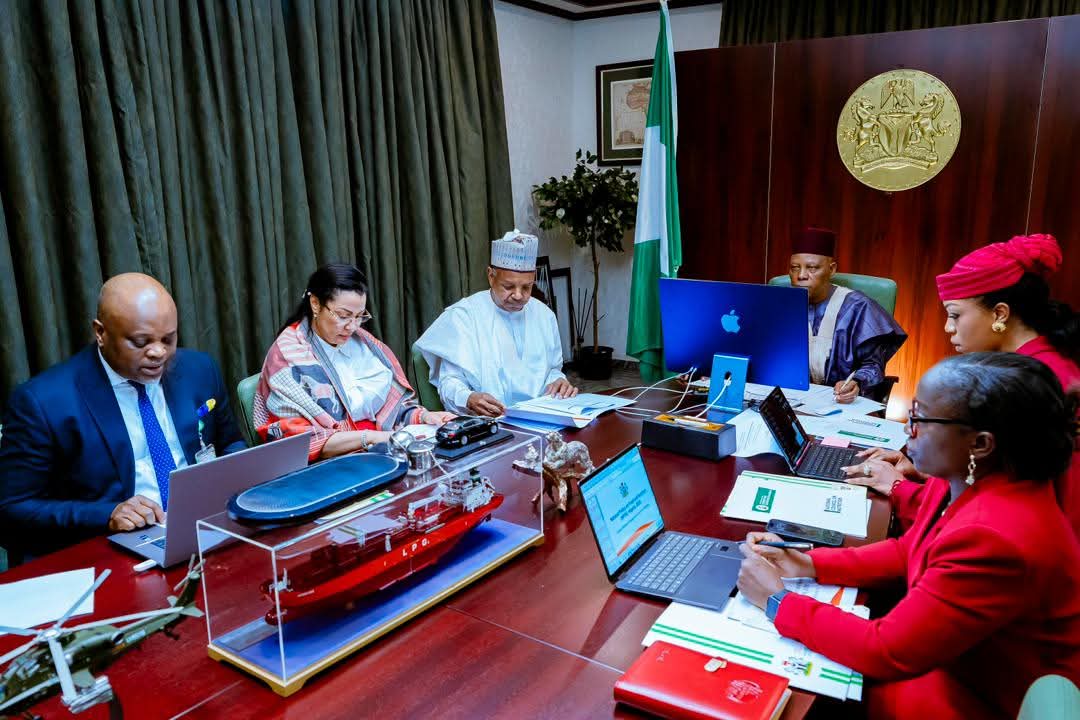
The policy adoption was announced at the Council’s 15th meeting, held virtually and chaired by Vice President Kashim Shettima.
The Council directed the Federal Ministry of Budget and Economic Planning to forward the policy to the Federal Executive Council for final ratification.
Describing the framework as a landmark document, Shettima said the policy represents “the most consequential nutrition policy this country has produced,” noting that it is multi-sectoral, evidence-based, and designed to deliver impact at the grassroots.
He stressed that success would be measured not by policy discussions but by tangible improvements in the lives of Nigerians, particularly mothers and children across all 774 local government areas.
“We will be judged not by our deliberations but by our deliveries,” the Vice President said, urging stakeholders to prioritise implementation.
The Council mandated all Ministries, Departments, and Agencies to align their programmes and budgets with the policy within 12 months, while directing the 36 states and the Federal Capital Territory to operationalise State Multisectoral Plans of Action for Food and Nutrition within six to nine months.
As part of legislative efforts, the Council approved a six-week extension for the submission of a draft National Nutrition Bill, with a directive that it be transmitted to the National Assembly within eight weeks.
To strengthen financing, the Council expanded the nutrition financing sub-committee to include key stakeholders such as the Ministry of Humanitarian Affairs, the Commissioners of Finance Forum, and the Association of Local Governments of Nigeria (ALGON). It also identified five funding streams—domestic, bilateral, multilateral, private sector, and innovative financing.
The Vice President further directed the establishment of State Councils on Nutrition in the remaining states and the FCT within three months, to deepen sub-national ownership of the policy.
On private sector participation, Shettima approved the creation of a co-branded nutrition funding initiative in partnership with organisations such as the Dangote Foundation, alongside relevant government ministries.
He emphasised that the Nutrition 774 Initiative remains central to the government’s strategy, ensuring that interventions reach every part of the country.
“From Yobe to Bayelsa, from Katsina to Cross River, every Nigerian child must be seen as the face of this national assignment,” he said.
Earlier, Minister of Budget and Economic Planning, Atiku Bagudu, commended the Vice President’s leadership in elevating food security and nutrition as a national priority, noting that the new policy provides a strategic framework for safeguarding human capital and driving development.
Stakeholders from both public and private sectors expressed support for the policy, describing it as a critical investment in the future of Nigerian children and a key driver of national growth.
Nigeria Adopts New National Food, Nutrition Policy, Targets 2035 Milestones
