

Nokia 3310: The Little Phone That Became a Legend of Durability
Nokia 3310: The Little Phone That Became a Legend of Durability

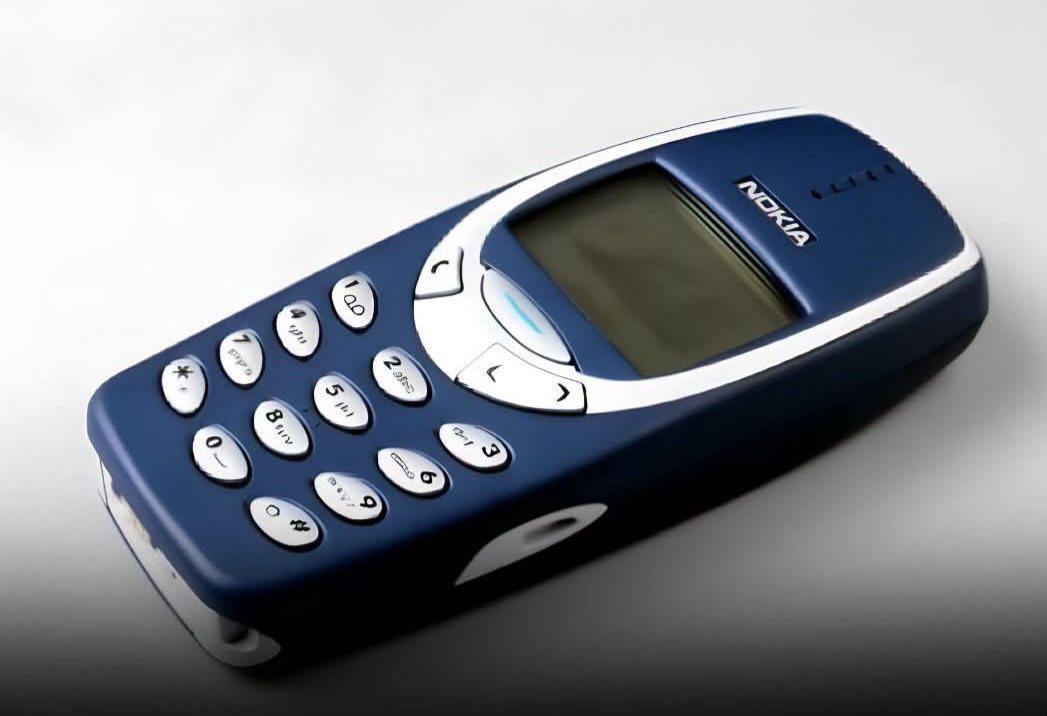
Nokia 3310: The Little Phone That Became a Legend of Durability
Before smartphones became cameras, banks, entertainment centres and miniature computers, mobile phones had a much simpler purpose: make calls, send messages and keep working.
Few phones represented that era better than the Nokia 3310, a device that went from an ordinary mobile handset to one of the most enduring icons in the history of consumer technology.
On September 1, 2000, Nokia officially announced the 3310 at a lifestyle event in Oberhausen, Germany. The company presented it as a phone aimed at young people and the “young at heart,” with an emphasis on messaging and personalisation. It was designed as the successor to the hugely successful Nokia 3210 and went on sale later that year.
The timing was significant. Mobile phones were becoming increasingly common, but they were still relatively expensive and technologically limited compared with today’s smartphones. There were no social-media feeds, app stores or high-resolution cameras competing for attention.
The 3310 offered something much simpler—and, for millions of people, much more useful.
Built for everyday life
The phone weighed about 133 grams and featured a compact candy-bar design, a monochrome 84×48-pixel display and a removable battery. It was manufactured in several countries, including Finland, Germany, Hungary and South Korea for certain regional variants.
It also introduced features that felt surprisingly advanced at the time.
Nokia promoted its built-in chat function, which allowed users to carry on text conversations using SMS. The phone also offered features such as customisable covers, downloadable or composed ringtones, a phonebook and several games.
And then there was Snake II.
For an entire generation, the simple game of guiding a growing snake around the screen became a daily obsession. The 3310 helped turn mobile phones into something people did not merely carry—they played with them.
The phone that became famous for surviving everything
But the feature that ultimately defined the 3310’s reputation was something Nokia did not need to advertise as a superpower: its toughness.
The handset developed an almost mythical reputation for surviving drops and everyday abuse that might have destroyed more delicate devices.
Over time, the internet transformed that reputation into a cultural joke. Memes began portraying the Nokia 3310 as practically indestructible—capable of surviving falls, being thrown across rooms and even bringing down whatever happened to be unlucky enough to land on it.
Technically, the phone was not literally indestructible, and many of the spectacular “run over by a car” stories circulating online are exaggerated or anecdotal. But its robust construction genuinely helped establish the 3310 as one of the most durable and recognisable phones of its generation.
Its battery life also became part of the legend. Unlike modern smartphones that often need daily charging, the 3310 could operate for considerably longer under typical usage, reinforcing its reputation as a dependable companion.
126 million phones later
The numbers tell the story of just how successful it became.
The Nokia 3310 and its variants are credited with selling approximately 126 million units worldwide. Nokia itself later cited 126 million sales for the 3310/3330 family.
The phone was eventually discontinued in 2005, but its cultural life was far from over.
It became a symbol of the early mobile-phone era—a time when changing a phone’s cover could feel like a major personalisation upgrade, composing a ringtone was entertainment and receiving a text message could make someone’s entire day.
For millions of users, the 3310 was also their introduction to mobile communication: their first calls, first text messages and countless hours spent playing Snake.
From 2000 to a new generation
The Nokia 3310’s popularity became so enduring that Nokia later revived the name.
In 2017, a new Nokia 3310 was introduced with a colour screen, camera and other modern features. It looked back to the original design while attempting to bring the famous name into the smartphone era.
But the revival could never completely reproduce what made the original special.
The 2000 model belonged to a very different technological world.
There were no endless notifications demanding attention. No social-media algorithms. No cracked screens that could cost hundreds of dollars to replace. No expectation that a phone should perform virtually every task imaginable.
It simply worked.
Why people still remember it
More than two decades after its introduction, the Nokia 3310 has become more than an old mobile phone. It is a piece of technological history.
Its popularity was built on a combination of simplicity, reliability, long battery life, personalisation and remarkable durability. Its reputation has since grown into one of the most enduring legends in mobile-phone culture.
Today, smartphones are vastly more powerful. They can replace cameras, televisions, maps, newspapers, wallets and computers.
Yet the humble Nokia 3310 continues to inspire jokes about surviving an apocalypse.
Perhaps that is because the phone represented something modern technology sometimes struggles to provide: the confidence that when you picked it up, it would simply do what you needed—and keep doing it.
September 1, 2000 marked the beginning of the Nokia 3310 story. More than two decades later, its legend remains alive.
Nokia 3310: The Little Phone That Became a Legend of Durability
