

Working but Poor: Inside the Silent Struggle of Nigeria’s Working Class

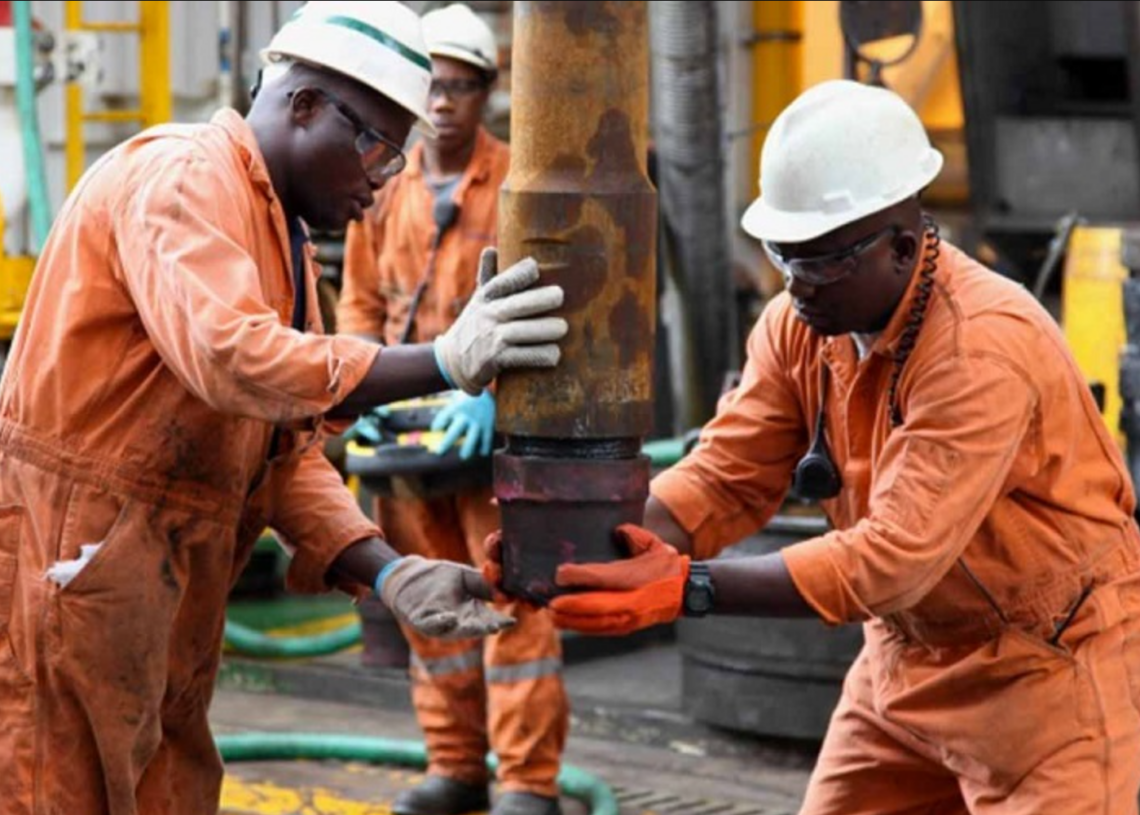
Working but Poor: Inside the Silent Struggle of Nigeria’s Working Class
By Comfort Pius
The alarm on Grace Daniel’s small phone rings at exactly 4:45 a.m., but she is already awake. Inside her dimly lit one-room apartment on the outskirts of Abuja, the 34-year-old secretary sits quietly on the edge of her mattress, calculating expenses in her head before the day begins.
Transport fare.
Electricity bill.
Bread.
School expenses for her son.
In one corner of the room sits a half-filled bag of rice she bought weeks ago after several days of saving. Nearby, a small rechargeable lamp flickers weakly after another night without electricity.
Outside, the sounds of commercial buses and early morning traders slowly rise with the dawn. Inside, Grace exhales deeply before preparing for another exhausting day, not because she is unemployed, but because survival in modern Nigeria has become a full-time struggle even for those with jobs.
“People think once you are working, life should be better,” she says softly. “But many of us are suffering silently.”
Across Nigeria, a new social reality is emerging. Thousands of employed citizens now live dangerously close to poverty despite earning monthly salaries. Civil servants, teachers, nurses, security guards, junior bankers, and small business workers increasingly find themselves trapped between rising inflation and stagnant income.
For millions of Nigerians, employment no longer guarantees stability.
Instead, it merely guarantees another month of struggle.
At Wuse Market in Abuja, buyers move from stall to stall comparing prices with visible frustration. Traders shout above one another while customers negotiate endlessly over food items many once purchased comfortably.
A woman holding a small basket argues with a tomato seller before eventually reducing her purchase by half. Nearby, a man quietly removes eggs from his shopping list after calculating the total cost of other items.
The realities are visible everywhere.
Food prices continue to rise sharply. Transport fares have doubled in many cities. House rents are becoming unbearable. Electricity tariffs and fuel prices continue to stretch already fragile incomes.
For many workers, salaries no longer survive beyond the second week of the month.
“I now skip lunch at work,” says Esther James, a government employee and mother of three. “If I eat outside every day, there will be nothing left for my children at home.”
Like many Nigerians, Esther has developed survival strategies. Some mornings, she walks part of the distance to work to reduce transport costs. On weekends, she sells liquid soap to neighbours for extra income.
“We are no longer living,” she says. “We are only managing.”
That statement captures the reality of Nigeria’s struggling working class a growing population of citizens who are employed but financially exhausted.
For 29-year-old graduate Samuel Yakubu, life after university has been far from the dream he once imagined. During the day, he works at a supermarket in Abuja. In the evenings, he operates a small roadside stand selling phone accessories under a weak solar lamp.
“If I depend on one salary, I cannot survive,” he explains while attending to customers. “Everything is expensive now: transport, food, rent, even data subscription.”
His degree certificate remains neatly tucked inside a brown envelope at home, waiting for opportunities that seem increasingly distant.
Across urban centres, side hustles have become a survival mechanism rather than a luxury. Teachers sell clothing online after school hours. Office workers operate food businesses at night. Young graduates work multiple jobs while still battling debt and hunger.
The pressure is also affecting family structures.
Some parents are withdrawing their children from private schools because tuition fees are no longer affordable. Others now buy food on credit from neighbourhood shops while hoping salaries arrive before debts accumulate further.
At a public primary school in Nyanya, a teacher who requested anonymity says many pupils now come to school without food.
“Some children cannot concentrate in class because they are hungry,” she says. “The economic situation is affecting families badly.”
Experts warn that the crisis goes beyond economics.
According to economic analyst Dr. Musa Ibrahim, inflation has steadily weakened the purchasing power of ordinary Nigerians, especially middle and lower-income earners.
“What we are witnessing is the gradual shrinking of the working class,” he explains. “People may still have jobs, but their earnings no longer provide decent living standards.”
According to recent reports by the National Bureau of Statistics, food inflation and transportation costs remain among the major burdens facing Nigerian households. Staple food items, fuel prices, and electricity costs have continued to increase, leaving millions under severe financial pressure.
Labour groups have repeatedly expressed concern over the widening gap between wages and living expenses. While salaries remain relatively fixed, the cost of survival rises almost weekly.
The emotional toll is becoming increasingly visible.
Mental health experts say prolonged financial hardship can trigger anxiety, depression, and emotional exhaustion. In offices and workplaces across the country, conversations about career growth are gradually being replaced by discussions about survival.
Workers now talk more about transport fares than promotions.
More about food prices than future plans.
More about debts than dreams.
Yet despite the hardship, resilience remains deeply woven into the lives of ordinary Nigerians.
At a roadside food stand in Nyanya, commercial drivers, labourers and office workers gather every evening around steaming pots of rice and soup. Some laugh loudly while others scroll through their phones silently after long hours of work.
For a brief moment, the atmosphere appears light.
But beneath the laughter lies fatigue.
“You just have to keep going,” says Ibrahim Saleh, a commercial driver. “If you stop, hunger will not stop.”
That resilience continues to define millions of Nigerians waking up daily to face economic realities that seem increasingly unforgiving.
Still, many fear the long-term consequences if conditions fail to improve.
Sociologists warn that widening poverty among working-class citizens may increase social frustration, crime rates, and distrust in institutions. Young people who once believed education and employment guaranteed progress now find themselves questioning the future.
The symbolism is painful.
In a country where hard work once represented dignity and upward mobility, many workers now discover that employment alone is no longer enough to escape hardship.
The faces of poverty are changing.
They are no longer found only among the unemployed or homeless. Increasingly, they are the teachers standing before classrooms, the nurses attending to patients, the security guards working overnight shifts, and the office workers squeezed daily inside overcrowded buses.
They are Nigerians who wake before sunrise every morning, work tirelessly throughout the day and still return home uncertain about tomorrow’s meal