


Xenophobia: Nigeria Draws the Red Line as South Africa Faces Diplomatic Pressure
By Matthew Eloyi
For years, the dream of an integrated Africa has been anchored on the belief that the continent’s people should move freely, trade freely and live without fear across borders. But for many Nigerians and other African nationals in South Africa, that dream has repeatedly collided with a painful reality — suspicion, hostility and violent attacks.
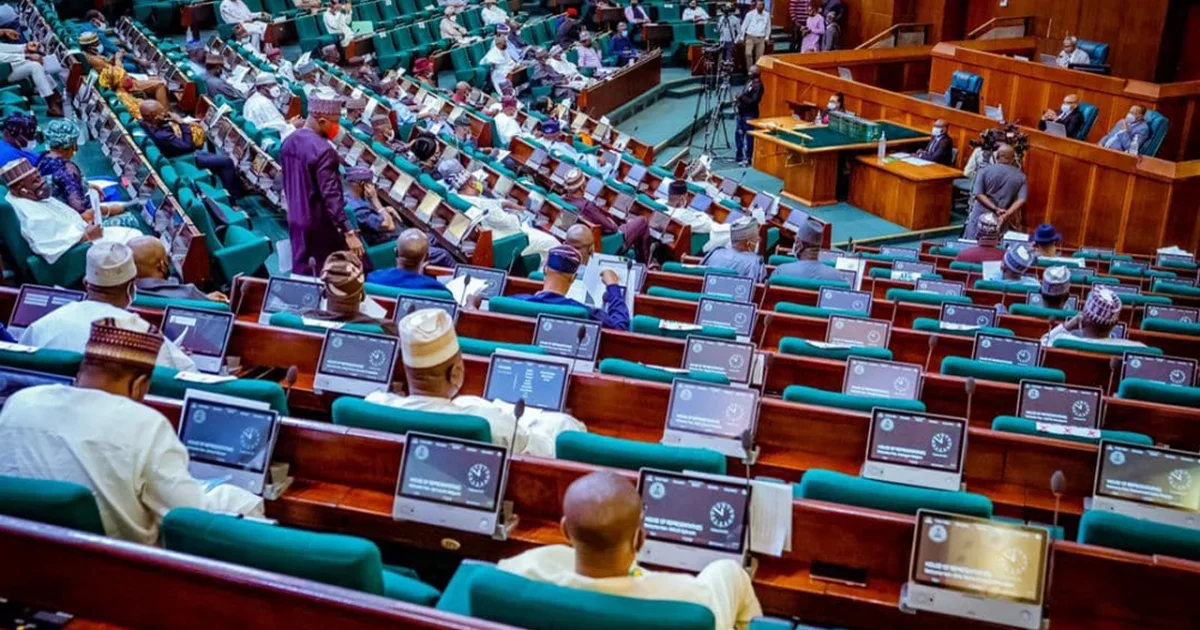
The renewed wave of xenophobic attacks targeting Nigerians and other African nationals in South Africa has now triggered a strong reaction from Nigeria’s House of Representatives, which has warned that continued violence could threaten the foundation of bilateral relations between both countries.
In a move that signals growing frustration over repeated attacks, the House has called for a comprehensive review of Nigeria’s diplomatic engagement with South Africa, warning that relations could be suspended or specific areas of cooperation reconsidered if credible assurances on the safety of Nigerians are not provided.
The resolution followed the adoption of a motion sponsored by Rep. Yusuf Gagdi (APC-Plateau) during plenary in Abuja, where lawmakers expressed concern over what they described as a recurring pattern of xenophobic violence, unlawful detention and alleged extrajudicial killings of Nigerians and other African nationals living in South Africa.
The lawmakers’ action reflects a growing concern that years of diplomatic appeals have not produced lasting solutions to the problem.
According to Gagdi, recent reports indicate renewed attacks against Nigerians, Ghanaians, Zimbabweans, Zambians, Mozambicans, Malawians and other Africans who reside legally in South Africa.
He warned that failure to address the situation decisively could put more lives at risk while encouraging perpetrators who have continued to act with apparent impunity.
“The recurring attacks threaten diplomatic relations, economic cooperation and continental integration,” he said, stressing that continued killings of Nigerians abroad without adequate accountability weaken confidence in Africa’s commitment to human rights and the rule of law.
A Diplomatic Test for Africa’s Largest Economies
Nigeria and South Africa remain two of Africa’s largest economies and most influential countries. Their relationship has historically been defined by economic partnerships, political cooperation and shared leadership roles in continental affairs.
However, xenophobic attacks have remained a major strain on the relationship.
Previous incidents of violence against Nigerians and other foreigners have sparked diplomatic tensions, protests and calls for stronger action from the Nigerian government.
For many Nigerians, especially those living and doing business in South Africa, the issue goes beyond diplomacy. It is about personal safety, dignity and the right to live without fear.
The House of Representatives has now asked the Federal Government to summon the South African High Commissioner to Nigeria to provide explanations on the recurring attacks and communicate Pretoria’s position on protecting Nigerian citizens.
The lawmakers insisted that South Africa must demonstrate a clear commitment to safeguarding Nigerians and other African nationals within its borders.
Seeking Justice Beyond Condemnation
Beyond diplomatic engagement, the House demanded an independent, transparent and internationally monitored investigation into the deaths of Nigerians and other victims of xenophobic violence.
The objective, according to the lawmakers, is to ensure that those responsible for the attacks are identified, prosecuted and punished.
This demand reflects a growing argument that verbal condemnations are no longer enough and that perpetrators of attacks must face consequences to deter future incidents.
The parliament also urged the Federal Government to explore all available diplomatic and international mechanisms to seek justice for victims.
Additionally, lawmakers called for stronger consular support, legal assistance, emergency evacuation arrangements and reintegration programmes for Nigerians affected by xenophobic violence.
The African Unity Question
The controversy also raises deeper questions about the future of African integration.
The lawmakers appealed to the African Union (AU) to demand that South Africa uphold its obligations under the African Charter on Human and Peoples’ Rights and other international commitments protecting citizens’ rights.
They also urged African countries to consider lawful diplomatic measures if attacks continue.
Deputy Speaker of the House, Rep. Benjamin Kalu, who presided over the session, recalled South Africa’s historic advocacy for African unity, saying the country must live up to the ideals it once championed.
He noted that a nation that promoted the spirit of “Bantu,” which represents African brotherhood and unity, must reflect those values in its treatment of fellow Africans.
The House later observed a minute’s silence in honour of Nigerians and other nationals who have lost their lives to xenophobic violence.
Beyond Politics: The Need for Action
While diplomatic pressure may send a strong message, experts argue that lasting solutions require addressing the deeper causes of xenophobia, including unemployment, inequality, misinformation and political exploitation of migration concerns.
South Africa, like many countries, faces internal socio-economic pressures that have sometimes been wrongly directed at foreign nationals.
However, economic challenges cannot justify violence, discrimination or attacks against innocent people.
For Nigeria, the latest parliamentary resolution presents an opportunity to redefine its approach to protecting citizens abroad. Beyond reacting after attacks occur, stronger diplomatic monitoring, faster intervention mechanisms and international cooperation will be essential.
The challenge before both countries is clear: Nigeria must protect its citizens, while South Africa must demonstrate that African solidarity is not merely a slogan.
The future of Nigeria-South Africa relations may depend on how both nations respond to this moment — whether through meaningful action that restores trust or through continued silence that allows old wounds to deepen.
