

Africa’s Most Spoken Indigenous Languages and the Stories Behind Them
Africa's Most Spoken Indigenous Languages and the Stories Behind Them

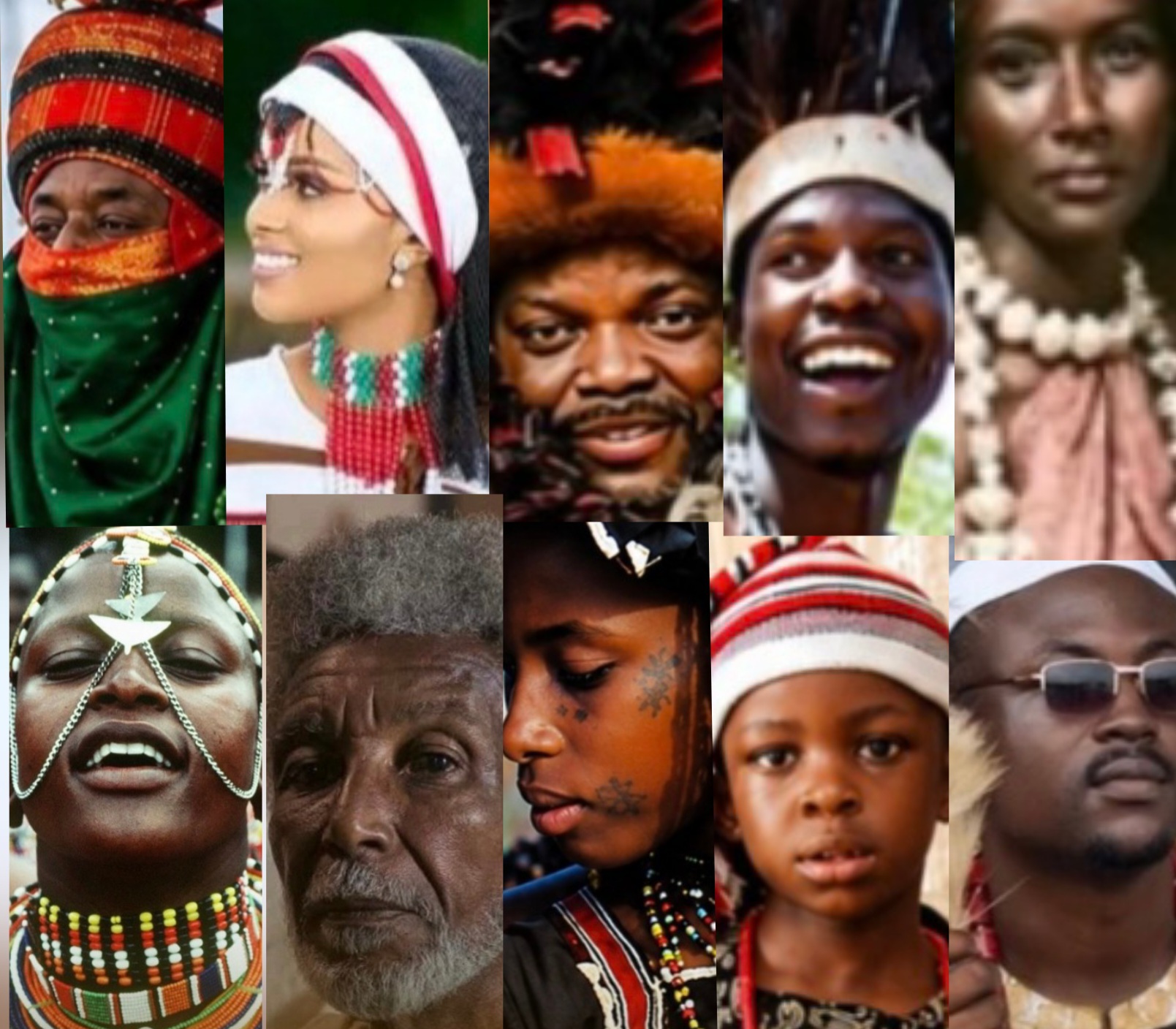
Africa’s Most Spoken Indigenous Languages and the Stories Behind Them
Africa is home to the greatest concentration of languages anywhere in the world. Linguists estimate that the continent has between 2,000 and 3,000 indigenous languages, accounting for nearly one-third of all languages spoken globally.
From the deserts of North Africa to the forests of Central Africa, the savannahs of West Africa and the coastal communities of East Africa, these languages preserve centuries of history, culture, traditional knowledge, literature, music and identity.
While hundreds of African languages are spoken by relatively small communities, several have grown into major regional and international languages, connecting millions of people across national borders through trade, migration, education and religion.
Swahili – 150–200 Million Speakers
Swahili, or Kiswahili, is Africa’s most widely spoken indigenous language.
Its origins date back to between the 7th and 10th centuries AD along the East African coast, where Bantu-speaking communities interacted with Arab, Persian and later Indian traders.
Today, Swahili serves as a lingua franca in countries including Tanzania, Kenya, Uganda, Rwanda, Burundi, the Democratic Republic of Congo, Mozambique and parts of Zambia.
The African Union adopted Swahili as one of its official working languages in 2022, reflecting its growing continental importance.
Hausa – 90–120 Million Speakers
Hausa is one of Africa’s oldest and most influential trade languages.
It emerged between the 10th and 12th centuries through the development of the Hausa city-states in what is now northern Nigeria and southern Niger.
Today, Hausa is spoken across Nigeria, Niger, Ghana, Cameroon, Chad, Sudan and other parts of West and Central Africa.
The language became a major vehicle for commerce, Islamic scholarship and broadcasting, making it one of the continent’s most influential languages.
Oromo – 50–60 Million Speakers
Oromo belongs to the Cushitic branch of the Afro-Asiatic language family.
Its history stretches back more than 1,000 years, with Oromo communities forming one of the largest ethnic groups in the Horn of Africa.
Today, it is spoken mainly in Ethiopia and northern Kenya, serving as one of Ethiopia’s principal regional languages.
Amharic – 55–60 Million Speakers
Amharic is one of Africa’s oldest written languages.
It developed between the 12th and 13th centuries from earlier Semitic languages and eventually became the official language of the Ethiopian Empire.
Today, it serves as Ethiopia’s federal working language and remains central to the country’s administration, education and literature.
Yoruba – 50–55 Million Speakers
The Yoruba language traces its roots to the ancient Yoruba kingdoms, particularly the historic city of Ile-Ife, regarded as the cradle of Yoruba civilisation.
Its written form expanded significantly during the 19th century, following the development of a standardized orthography by Christian missionaries and Yoruba scholars.
Yoruba is spoken mainly in Nigeria, Benin Republic and Togo, while millions of descendants of enslaved Africans have preserved aspects of the language and culture across Brazil, Cuba and the Caribbean.
Igbo – 40–45 Million Speakers
Igbo has been spoken in southeastern Nigeria for many centuries.
The language gained a standardized writing system in the 19th century through missionary efforts, although numerous dialects remain across Igbo-speaking communities.
Today, Igbo remains one of Nigeria’s three major indigenous languages and plays a vital role in commerce, education and cultural identity.
Fulfulde (Fula/Fulani) – 35–40 Million Speakers
Fulfulde is one of Africa’s most geographically widespread languages.
Its history dates back over 1,000 years, accompanying the migration of Fulani pastoral communities across West and Central Africa.
Today, it is spoken from Senegal and Guinea through Mali, Burkina Faso, Nigeria, Cameroon, Chad and Sudan, making it one of the continent’s most important cross-border languages.
Somali – 25–30 Million Speakers
Somali belongs to the Cushitic language family and has been spoken for well over 1,000 years throughout the Horn of Africa.
Although rich oral traditions existed for centuries, the Somali government officially adopted the Latin alphabet in 1972, helping expand literacy and education.
Today, Somali is spoken mainly in Somalia, Ethiopia, Kenya and Djibouti.
Shona – 18–20 Million Speakers
Shona evolved from ancient Bantu-speaking communities that settled in present-day Zimbabwe between the 10th and 15th centuries.
It became closely associated with the civilisation that built Great Zimbabwe, one of Africa’s greatest medieval kingdoms.
Today, Shona is Zimbabwe’s most widely spoken indigenous language and is also spoken in parts of Mozambique.
Zulu – 18–20 Million Speakers
Zulu emerged as a distinct Nguni language several centuries ago in present-day South Africa.
Its prominence increased dramatically during the early 19th century under the leadership of King Shaka Zulu, whose military and political reforms transformed the Zulu Kingdom into one of southern Africa’s most powerful states.
Today, Zulu is South Africa’s most widely spoken home language and one of the country’s 12 official languages.
More Than Words
African languages are far more than tools of communication. They preserve oral history, traditional medicine, indigenous knowledge, music, literature, philosophy and cultural identity.
As globalization and urbanization continue to reshape societies, linguists warn that many indigenous African languages face the risk of extinction if younger generations stop speaking them.
Efforts by governments, universities, cultural institutions and the African Union to promote indigenous languages through education, broadcasting and digital technology are increasingly seen as essential to preserving Africa’s rich linguistic heritage.
Together, languages such as Swahili, Hausa, Oromo, Amharic, Yoruba, Igbo, Fulfulde, Somali, Shona and Zulu continue to connect hundreds of millions of Africans, demonstrating that the continent’s greatest strength lies not only in its diversity, but also in the cultures and histories its languages continue to preserve.
Africa’s Most Spoken Indigenous Languages and the Stories Behind Them
