

Alhaji Mamman Shata: The Voice That Took Hausa Culture to Every Corner of West Africa
Alhaji Mamman Shata: The Voice That Took Hausa Culture to Every Corner of West Africa

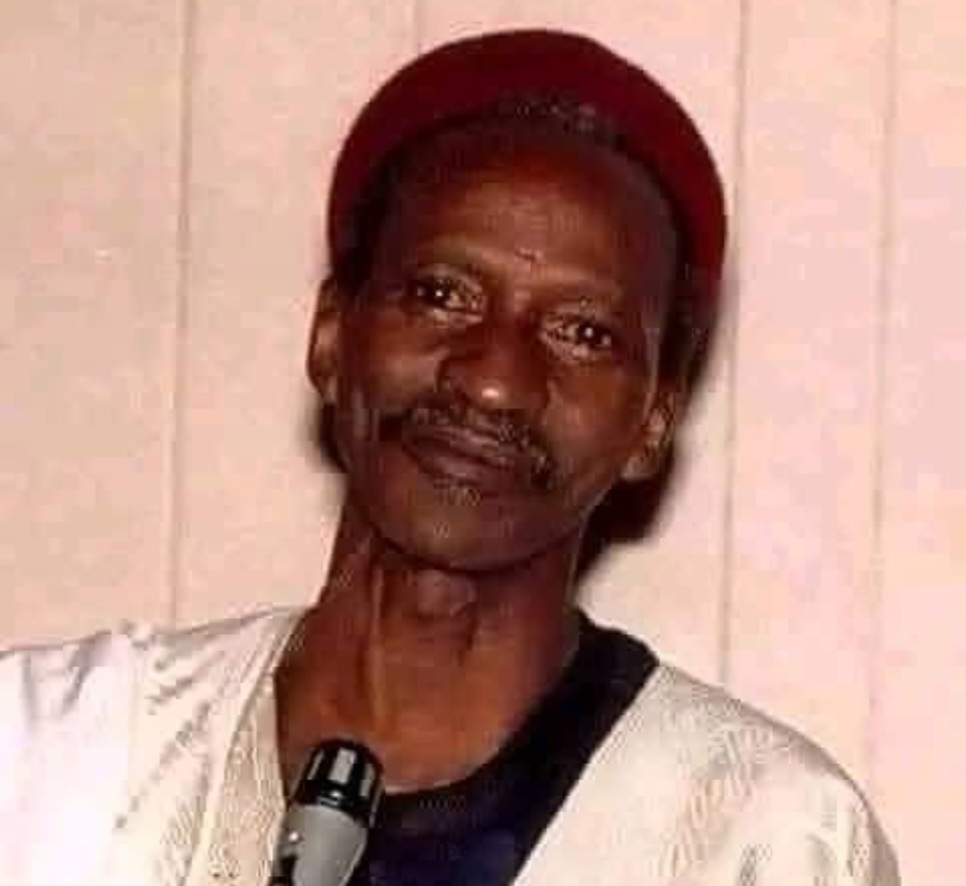
Alhaji Mamman Shata: The Voice That Took Hausa Culture to Every Corner of West Africa
Long before the rise of television, social media, and modern entertainment platforms, one man used music, poetry, and storytelling to educate, entertain, and unite millions across Northern Nigeria and beyond. That man was Mamman Shata, widely regarded as one of the greatest Hausa musicians and oral historians in African history.
ALSO READ: Dangote Unveils Plans for Massive Olokola Industrial, Free Trade Zone
Born in 1923 in Musawa, present-day Katsina State, Mamman Shata rose from humble beginnings to become the most influential Hausa musician of the twentieth century. Known for his powerful voice, mastery of traditional poetry, and captivating performances accompanied by the kalangu talking drum, Shata spent more than five decades shaping public opinion and preserving Hausa culture through music.
Often described as “the people’s broadcaster,” Shata transformed traditional Hausa waka from a localized form of praise singing into a powerful tool for mass communication. Through thousands of songs, he addressed issues ranging from politics, religion, morality, agriculture, trade, education, and national unity, making his music a source of information and social commentary for millions of listeners.
His influence extended far beyond entertainment. At a time when literacy levels were low and access to newspapers was limited, Shata’s songs became a classroom for ordinary people. Using rich Hausa vocabulary, proverbs, humour, and traditional wisdom, he taught values, documented historical events, and promoted social cohesion. Many people learned refined Hausa expressions and cultural traditions through his music.
Shata was also known for speaking truth to power. Throughout his career, he openly criticized corruption, poor leadership, and social injustice. His fearless commentaries occasionally brought him into conflict with political authorities, yet his immense popularity among both ordinary citizens and traditional rulers ensured that his voice remained influential across generations.
By the 1980s, he had become one of the most commercially successful recording artists in Northern Nigeria, signing with major record labels and reaching audiences across Nigeria, Niger, Ghana, Cameroon, and other parts of West Africa. His vast catalogue of recordings remains one of the largest ever produced by a Hausa musician.
Beyond music, Shata actively participated in public life and politics, using his platform to advocate for the welfare of ordinary people. His songs frequently promoted peace, unity, and understanding during periods of national tension, reinforcing his role as a cultural ambassador and moral voice.
In recognition of his immense contributions to culture and society, he received numerous honours, including the national award of Member of the Order of the Niger (MON) and an honorary doctorate for his contributions to Hausa language, literature, and national development.
When Mamman Shata died on June 18, 1999, Nigeria lost more than a musician. It lost a living archive of Hausa history, culture, and tradition. Yet his legacy endures through thousands of recordings that continue to educate, inspire, and entertain new generations.
Today, historians, musicians, and cultural scholars remember Mamman Shata as the man who carried Hausa language and culture from village squares to radio stations, marketplaces, royal courts, and international audiences. His music did not merely entertain—it preserved a people’s identity and gave a powerful voice to generations of Hausa speakers across Africa.
Alhaji Mamman Shata: The Voice That Took Hausa Culture to Every Corner of West Africa
