


UNICEF Seeks Stronger Media Advocacy for Children’s Rights and Public Financing
By Auwal Ahmad Umar
The United Nations Children’s Fund (UNICEF) has called on journalists to intensify advocacy for children’s rights and stronger public financing, urging the media to hold governments and political leaders accountable for how resources meant for children are allocated and spent.
The agency said journalists must use their platforms to push children’s issues higher on the political agenda and ensure that government commitments to education, healthcare, nutrition and child protection produce measurable results.
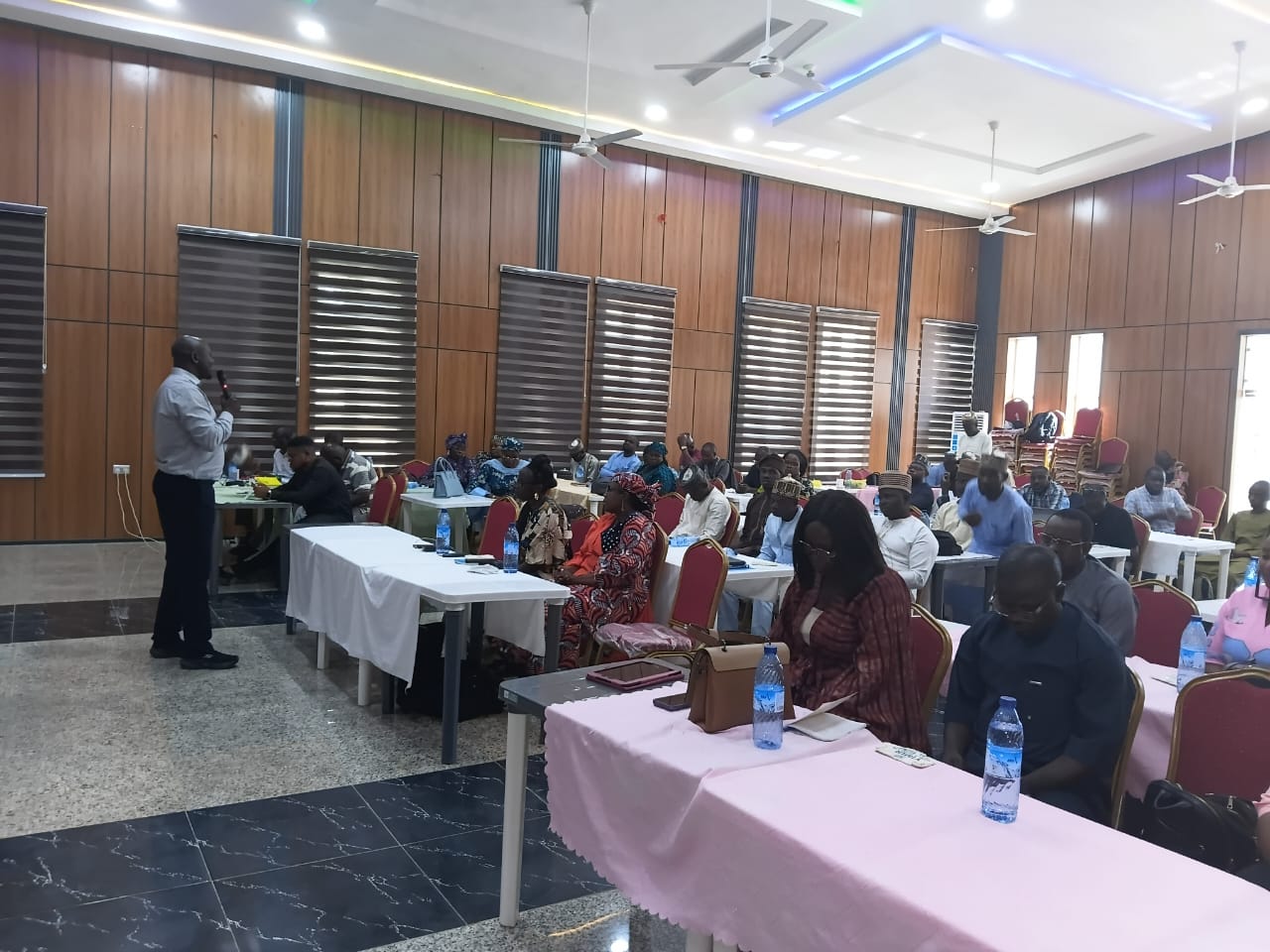
The UNICEF Chief of Field Office, Bauchi, Dr Nuzhat Rafiq, represented by UNICEF Education Specialist, Abdulrahman Ibrahim Ado, made the call on Monday at a one-day media dialogue on public financing for children in Bauchi.
Dr Rafiq said the media had a critical role in influencing government policies and drawing attention to issues affecting children and women.
“Journalists play a very important role in helping us achieve our goals in different sectors of children and women’s welfare,” she said.
She urged journalists to question political candidates ahead of the 2027 elections about their plans to address challenges confronting vulnerable children and women.
According to UNICEF, challenges facing children include being out of school, malnutrition, inadequate healthcare facilities and poor access to water, sanitation and hygiene.
The UNICEF Social Policy Specialist, Yusuf Auta, said investment in children should begin from conception, stressing the need for mothers and newborns to have access to safe and conducive healthcare facilities.
Mr Auta also urged journalists to track government budgets beyond allocations by investigating how much money is released and what is achieved with it.
“After the budgetary allocations, how much has been released? After spending, what is the result? That is where real progress is assessed,” he said.
He expressed concern that children often receive inadequate attention in budgetary planning despite those aged between zero and 18 years constituting more than 51 per cent of the population.
Also speaking, the Managing Director of Bauchi State Radio Corporation, Umar Muhammad Shira, described the media as a critical partner in advancing the rights, health and welfare of children.
He urged journalists to combine responsible reporting, investigative journalism and public enlightenment to expose funding gaps and amplify the voices of vulnerable children.
“Every child deserves access to quality and affordable healthcare, regardless of their location or family background,” Shira said.
He said investment in children should be viewed not merely as expenditure but as an investment in a healthier, stronger and more productive future generation.
At the dialogue, Dr Ali Madina Dankumo, a lecturer in the Department of Economics and Development Studies at the Federal University of Kashere, urged journalists to connect public financing with the actual experiences of children.
Dr Dankumo said journalists should investigate whether inadequate funding contributes to shortages of drugs, insufficient health workers, poorly equipped primary healthcare centres, overcrowded classrooms, poor learning outcomes and inadequate nutrition services.
He also urged journalists to examine funding for child-protection services, including social workers, birth registration, efforts to prevent child marriage, child labour and trafficking, and support for children affected by violence and abuse.
Dr Dankumo advised journalists covering the 2027 electoral cycle to demand specific and measurable commitments from political candidates rather than relying on broad campaign promises.
He said reporters should ask candidates how much they would allocate to education and healthcare, how many teachers they would recruit, how they would address out-of-school children and how citizens would monitor public spending.
“Don’t follow the money alone, but also follow the child,” he said.
He encouraged journalists to combine budget data with community experiences to show how public financing decisions affect children in schools, healthcare facilities and communities.
The media dialogue therefore challenged journalists to make children’s rights and public financing a central part of election coverage, using advocacy and investigative reporting to push for better government policies, stronger investment and accountability for results.
