

Unsung Heroines of India: Six Extraordinary Women Who Changed Science, Medicine, Freedom and Society
Unsung Heroines of India: Six Extraordinary Women Who Changed Science, Medicine, Freedom and Society

Unsung Heroines of India: Six Extraordinary Women Who Changed Science, Medicine, Freedom and Society
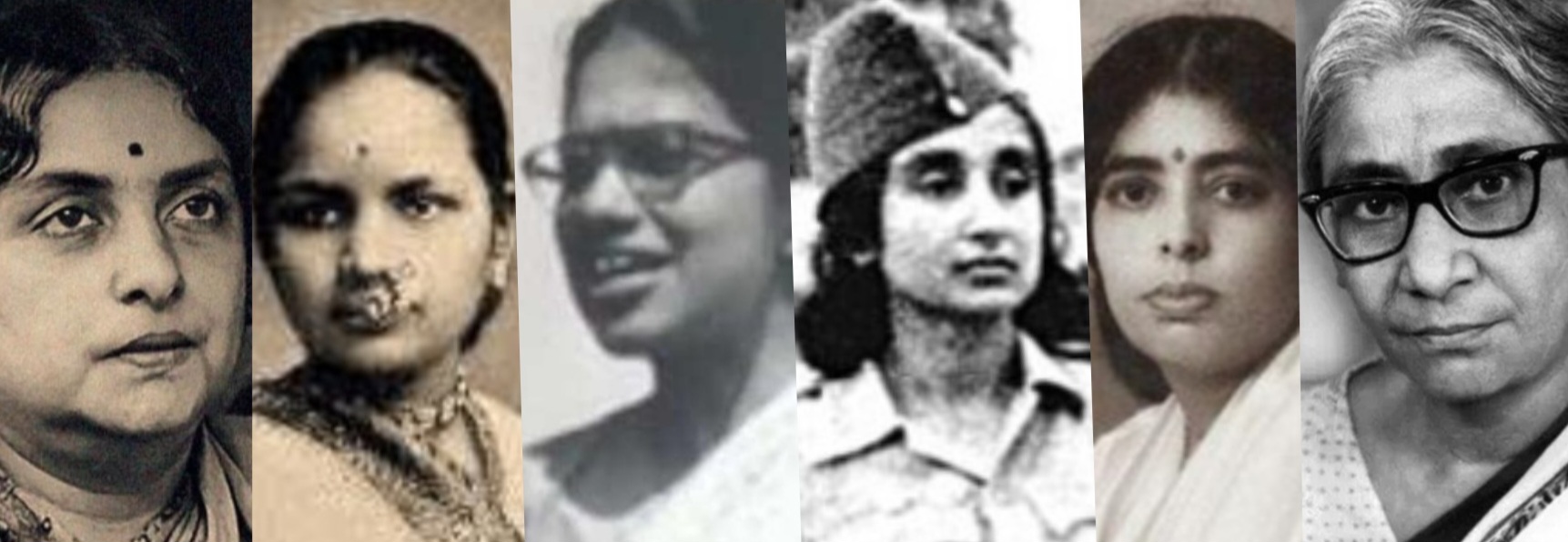
For generations, India’s history has celebrated kings, freedom fighters, scientists and political leaders. Yet, alongside these well-known figures are remarkable women whose contributions transformed medicine, science, agriculture, culture and the struggle for independence, often without receiving the recognition they deserved.
From pioneering medical breakthroughs to leading the fight for freedom and preserving India’s cultural heritage, these six women left an enduring legacy that continues to influence millions.
Asima Chatterjee (1917–2006): Pioneer of Pharmaceutical Research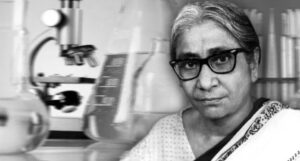
Born on 23 September 1917 in Kolkata, Asima Chatterjee became one of India’s foremost organic chemists and the country’s first woman to earn a Doctor of Science (DSc) degree from an Indian university.
Her groundbreaking research focused on medicinal plants and natural products, leading to important work in the development of anti-malarial and anti-epileptic drugs. She also made significant contributions to cancer research and helped advance phytomedicine in India.
Throughout a career spanning several decades, Chatterjee authored hundreds of scientific papers and mentored generations of researchers. She was awarded the Padma Bhushan in 1975 and became the first woman General President of the Indian Science Congress.
Anandi Gopal Joshi (1865–1887): India’s First Female Physician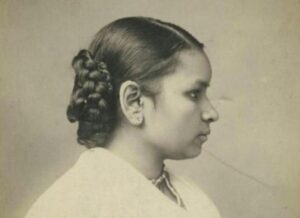
Born on 31 March 1865 in Maharashtra, Anandi Gopal Joshi broke social barriers at a time when women’s education was strongly discouraged.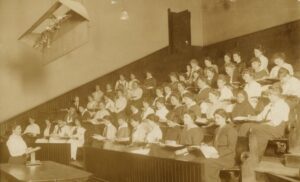
After losing her infant child due to inadequate medical care, she resolved to study medicine. In 1883, she travelled to the United States to attend the Woman’s Medical College of Pennsylvania, graduating in 1886 with a medical degree—becoming one of the first Indian women trained in Western medicine.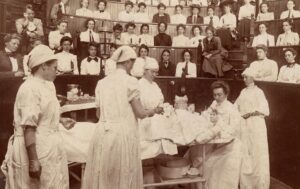
Although she died of tuberculosis in 1887 at the age of just 21, her courage inspired generations of Indian women to pursue careers in medicine and higher education.
Captain Lakshmi Sahgal (1914–2012): Freedom Fighter and Military Leader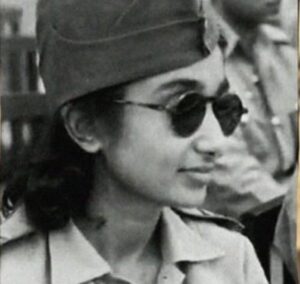
Born on 24 October 1914 in Madras (now Chennai), Captain Lakshmi Sahgal qualified as a medical doctor before joining the Indian independence movement.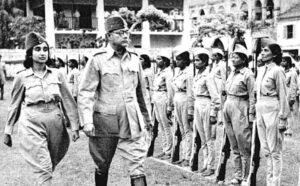
In 1943, she became commander of the Rani of Jhansi Regiment, the women’s wing of the Indian National Army led by Subhas Chandra Bose.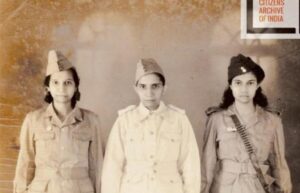
Following India’s independence, she continued serving society as a physician, providing affordable healthcare to underserved communities for decades. In 2002, she contested India’s presidential election, further cementing her place in the country’s democratic history.
Anna Mani (1918–2001): The Woman Behind India’s Weather Instruments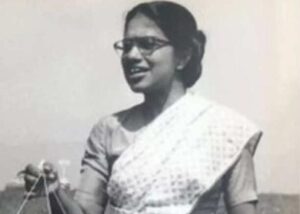
Born on 23 August 1918 in Kerala, Anna Mani was a pioneering physicist and meteorologist whose work transformed India’s weather observation systems.
After studying physics, she joined the India Meteorological Department, where she led the standardisation and development of meteorological instruments across the country.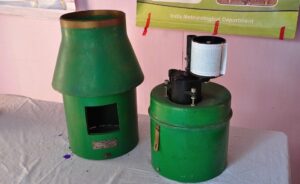
Her research also laid the foundation for India’s wind and solar energy resource assessment programmes, making her one of the country’s earliest pioneers in renewable energy.
Her meticulous work improved weather forecasting, aviation safety and climate monitoring throughout India.
Janaki Ammal (1897–1984): Trailblazer in Agricultural Genetics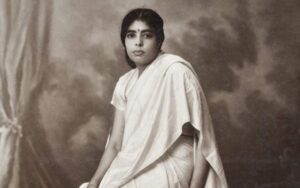
Born on 4 November 1897 in Kerala, Edavaleth Kakkat Janaki Ammal became one of India’s most distinguished botanists and cytogeneticists.
She conducted pioneering research in plant breeding and genetics, helping develop improved varieties of sugarcane that were better suited to Indian growing conditions.
Janaki also worked at the Royal Horticultural Society and contributed significantly to botanical conservation before returning to India to continue scientific research.
Her work strengthened India’s agricultural productivity and biodiversity conservation.
Kamaladevi Chattopadhyay (1903–1988): Champion of Handicrafts and Women’s Empowerment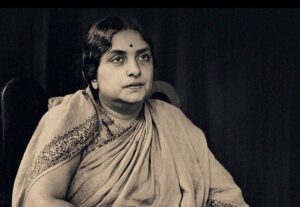
Born on 3 April 1903 in Mangalore, Kamaladevi Chattopadhyay was a freedom fighter, social reformer and cultural icon.
After independence, she played a decisive role in reviving India’s traditional handicrafts, handloom industries and performing arts, helping thousands of artisans preserve their livelihoods and cultural heritage.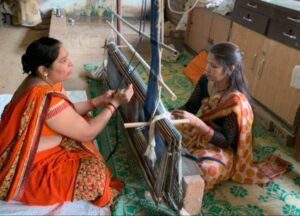
She helped establish several institutions dedicated to crafts, theatre and rural development while tirelessly advocating for women’s economic independence and social empowerment.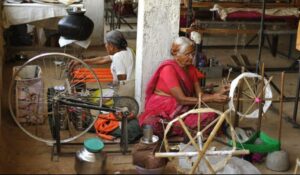
Her efforts ensured that India’s rich artistic traditions survived rapid industrialisation and gained international recognition.
A Legacy Beyond Recognition
Although these six women worked in different fields, they shared a common legacy: breaking barriers at a time when opportunities for women were severely limited.
Their contributions shaped India’s scientific research, healthcare, agriculture, environmental studies, cultural preservation and independence movement. Today, their achievements continue to inspire new generations of women across India and around the world.
Their stories also serve as a reminder that history is not only written by the most celebrated names, but also by countless pioneers whose determination quietly transformed nations and left an enduring impact on society.
Unsung Heroines of India: Six Extraordinary Women Who Changed Science, Medicine, Freedom and Society
