

Chinese Company Unveils Humanoid Robot Designed to Offer Lifelong Companionship
Chinese Company Unveils Humanoid Robot Designed to Offer Lifelong Companionship

Chinese Company Unveils Humanoid Robot Designed to Offer Lifelong Companionship
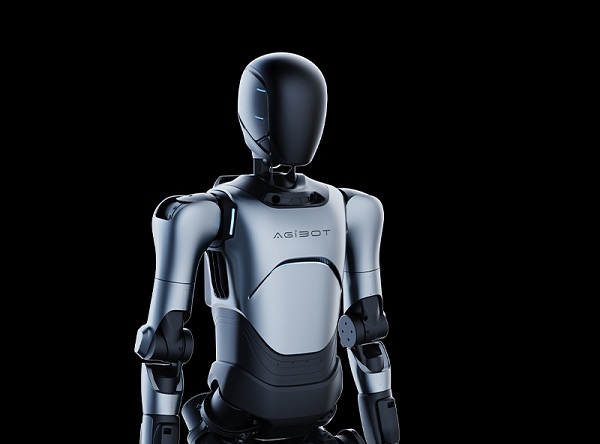
A Chinese robotics company has unveiled a new humanoid robot designed not only to assist people with everyday tasks, but also to provide emotional companionship, raising fresh questions about the future of human-robot relationships.
UBTech reportedly introduced the U1 humanoid robot in Shenzhen, featuring a full-size human-like body, silicone skin, 88 moving joints and an artificial intelligence system designed to recognise and respond to users’ emotions.
According to the company, the robot can hold conversations, remember users’ routines, provide reminders, including medication prompts, and adjust its tone when it detects that a person is stressed, upset or emotionally distressed.
The robot is being marketed as a potential companion for people who live alone, particularly single adults and older people.
The reported price ranges from 119,800 yuan (about $17,600) for the entry-level version to as much as 990,000 yuan (approximately $145,700) for the premium “Ultra” model.
Reports indicate that more than 13,300 units have already been pre-ordered, with deliveries expected to begin in September.
The company has presented the robot as a long-term companion, with its brand chief telling an audience that the bionic machines are designed to “accompany you for a lifetime” and remain loyal to their owners.
UBTech is particularly targeting China’s growing population of people living alone and older adults whose children may live elsewhere. The company is betting that a robot capable of constant interaction and companionship could become part of the solution to social isolation.
Buyers may also reportedly be able to customise the robot’s appearance, including giving it facial features inspired by a loved one, celebrity or fictional character.
However, the technology still has significant limitations.
The entry-level model reportedly has restricted movement, with its capabilities largely focused on facial and head movements. Its battery reportedly lasts for only about four hours, while it is not yet capable of independently carrying out many household chores such as cooking and cleaning.
There are also concerns surrounding the so-called “uncanny valley” effect, where machines designed to look almost human can sometimes make people feel uncomfortable rather than emotionally connected.
Beyond the technology and its price, the U1 has sparked a broader conversation about the future of companionship.
As artificial intelligence and robotics become increasingly sophisticated, the question may no longer be whether machines can communicate with people, but how much emotional connection people will be willing to build with machines—and what happens when companionship itself becomes a commercial product.
The emergence of robots designed to provide emotional support marks another significant step in the rapidly developing relationship between humans and artificial intelligence.
Chinese Company Unveils Humanoid Robot Designed to Offer Lifelong Companionship
