

The Bani Shaiba Family: The Keepers of the Kaaba’s Sacred Keys for More Than 1,400 Years
The Bani Shaiba Family: The Keepers of the Kaaba’s Sacred Keys for More Than 1,400 Years

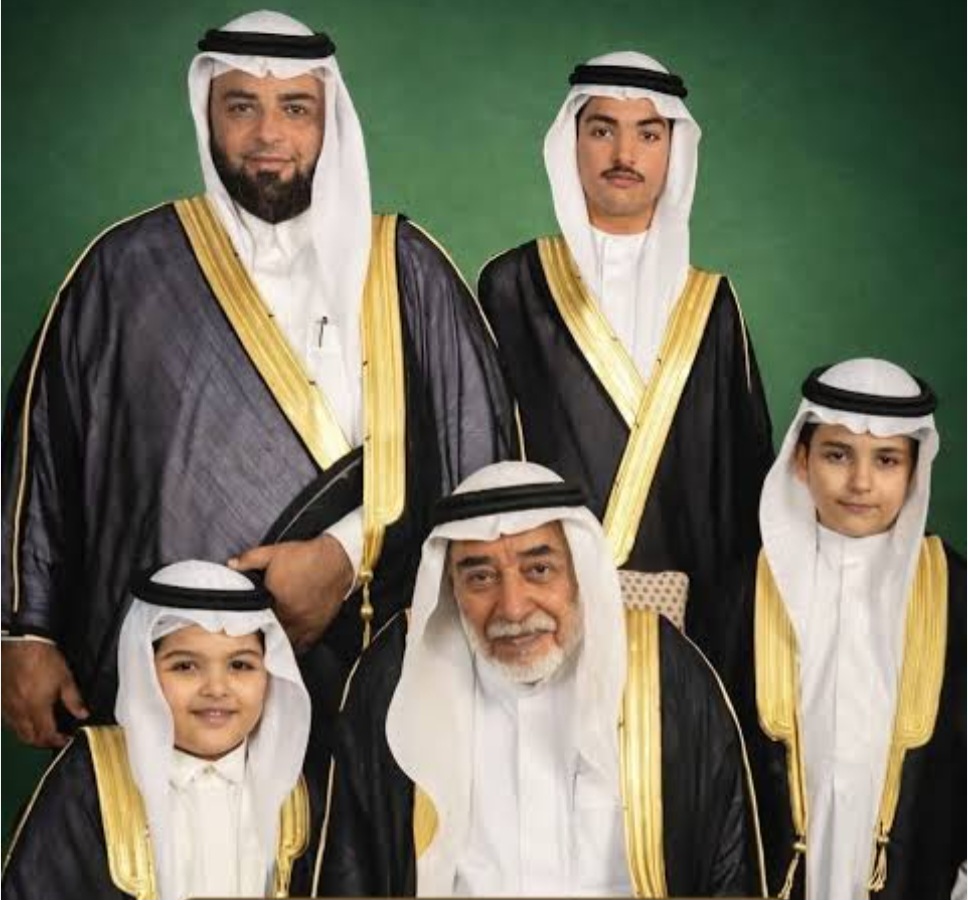
The Bani Shaiba Family: The Keepers of the Kaaba’s Sacred Keys for More Than 1,400 Years
For over fourteen centuries, one family has carried one of the most honoured responsibilities in the Islamic world — safeguarding the keys of the Kaaba, the holiest site in Islam located in Makkah, Saudi Arabia.
The responsibility belongs to the Bani Shaiba (also written as Banu Shaibah or Al-Shaibi) family, whose connection with the Kaaba dates back to the early history of Islam and was formally entrusted by Prophet Muhammad (SAW) after the conquest of Makkah in 8 AH (630 CE).
Their role, known as Siqayah and Sidānah (custodianship of the Kaaba), involves caring for the Kaaba, keeping its keys, opening and closing its doors, and overseeing certain traditional duties connected to the sacred sanctuary.
A Responsibility Rooted in Pre-Islamic History
The Bani Shaiba family belongs to the Banu Abd al-Dar clan of the Quraysh tribe, the same tribe to which Prophet Muhammad (SAW) belonged.
Before the birth of Islam, the Quraysh divided responsibilities related to the Kaaba among different families. The duty of holding the Kaaba’s keys was assigned to Uthman ibn Talha Al-Shaibi, a member of the Bani Shaiba family.
Even before Islam, the custodianship of the Kaaba was considered one of the most respected responsibilities in Makkah because the sanctuary was the spiritual centre of Arabia and a place visited by tribes from across the region.
The Prophet Muhammad (SAW) Returns the Trust
When Prophet Muhammad (SAW) entered Makkah during the Conquest of Makkah in 630 CE, he received the keys of the Kaaba from Uthman ibn Talha.
After cleansing the Kaaba of idols and restoring it as a place dedicated to the worship of Allah, Prophet Muhammad (SAW) returned the keys to Uthman ibn Talha and declared that this responsibility should remain with his family.
According to Islamic historical traditions, the Prophet (SAW) said:
“Take it, O sons of Talha, eternally inherited, no one will take it from you except a wrongdoer.”
This moment established the Bani Shaiba family’s custodianship, which has continued through generations for more than 1,400 years.
A Legacy Passed Through Generations
Throughout Islamic history, the keys have remained with descendants of the Bani Shaiba family. Each generation has inherited the responsibility of protecting this sacred trust.
Unlike many positions of authority, the role is not based on political appointment but on a religious and historical tradition passed down within the family.
The custodian is responsible for preserving the keys, opening the Kaaba during special occasions, and maintaining the traditions associated with the sanctuary.
Modern-Day Custodian
In recent years, the custodianship has been associated with members of the Al-Shaibi family, with Sheikh Abdul Wahab bin Zain Al Abidin Al-Shaibi recognised as one of the recent holders of this historic responsibility.
The family continues to represent a living connection between the early Islamic period and the modern era, carrying a duty that has survived the rise and fall of kingdoms, political changes and centuries of history.
The Kaaba: A Symbol of Unity for Muslims Worldwide
The Kaaba, located inside Masjid al-Haram in Makkah, is the direction Muslims face during daily prayers and the central site of the annual Hajj pilgrimage, one of the five pillars of Islam.
Every year, millions of Muslims from around the world visit Makkah, and the Kaaba remains a powerful symbol of faith, unity and devotion.
A Rare Historical Continuity
The story of the Bani Shaiba family is one of the longest-running examples of hereditary religious responsibility in human history. For more than fourteen centuries, they have preserved a trust given during the lifetime of Prophet Muhammad (SAW).
Their continued role serves as a reminder of the importance of faith, humility and responsibility — showing how a single duty entrusted more than 1,400 years ago continues to be honoured by generations today.
The Bani Shaiba Family: The Keepers of the Kaaba’s Sacred Keys for More Than 1,400 Years
