

Why I Chose Not to Comment on the Politics of Osun State: Lessons for Nigeria’s Democratic Trajectory
Why I Chose Not to Comment on the Politics of Osun State: Lessons for Nigeria’s Democratic Trajectory
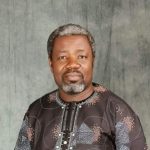
By Professor Ojo Emmanuel Ademola
Introduction: A reflective stance on Osun’s political climate
The decision not to comment on the politics of Osun State at a particular moment may appear unusual for someone deeply invested in Nigeria’s democratic evolution. Yet silence—when deliberate, reflective, and principled—can itself be a powerful democratic act. In a political environment often driven by immediacy, sensationalism, and reactive commentary, choosing restraint becomes a strategic contribution to democratic reform. The lessons embedded in such a choice speak directly to Nigeria’s contemporary democratic realities and the urgent need for continuity in reforming our democratic trajectory.
READ ALSO: ITF spends N700m to certify 7,000 artisans
At the heart of this decision lies a recognition that democracy is not merely the contestation of political actors within a state. It is a broader ecosystem of institutions, norms, civic behaviour, and collective aspirations. Osun State, like many Nigerian states, reflects the complexities of this ecosystem—where political developments are often symptomatic of deeper structural issues. To comment prematurely or superficially on such developments risks reinforcing the culture of political impulsiveness that has long undermined Nigeria’s democratic consolidation.
Silence as a form of democratic discipline
Silence, therefore, becomes a form of democratic discipline. It allows space for verification, reflection, and contextualisation. In a polity where misinformation spreads rapidly and political narratives are weaponised, the refusal to contribute to noise is a commitment to democratic clarity. It is a reminder that commentary must be grounded in evidence, not emotion; in principle, not partisanship; and in national interest, not personal inclination.
This approach aligns with a broader lesson Nigeria must internalise: democracy thrives not on the volume of voices but on the quality of engagement. The politics of Osun State, like those of other states, must be analysed within a framework that prioritises institutional integrity, electoral credibility, and governance outcomes. Anything less risks reducing democratic discourse to episodic drama rather than sustained reform.
The Burden of Democratic Responsibility
Nigeria’s democratic journey has been marked by cycles of enthusiasm, disappointment, and renewal. Each election cycle brings with it renewed hope for progress, yet the structural challenges remain persistent. The decision not to comment on Osun politics at a particular juncture was informed by a desire to avoid contributing to the politicisation of issues that require sober national reflection.
Democratic responsibility demands that public intellectuals, commentators, and leaders exercise discernment. Not every political development requires immediate commentary. Not every controversy deserves amplification. Nigeria’s democracy suffers from an overload of reaction and a deficit of reflection. By choosing silence, one models the discipline required to elevate democratic discourse.
This discipline is particularly important in a country where political narratives often overshadow institutional realities. The politics of Osun State, for example, cannot be divorced from Nigeria’s broader democratic challenges—electoral integrity, judicial independence, party discipline, and civic education. To comment narrowly on Osun without situating it within this national context would be to miss the deeper lessons.
Democratically Enlightening Nigerian Youth
A crucial dimension of Nigeria’s democratic future lies in the enlightenment of its youth—an increasingly assertive demographic whose energy, creativity, and digital fluency are reshaping civic engagement. Nigerian youth must be democratically empowered not merely as voters but as informed custodians of the Republic. Their engagement must transcend social media activism and evolve into responsible participation grounded in knowledge, critical thinking, and civic duty. Enlightening the youth means equipping them with democratic literacy, encouraging them to interrogate political narratives, and inspiring them to uphold values that strengthen institutions rather than personalities. Across campuses, communities, and digital platforms, young Nigerians must be taught that democracy is not a spectator sport but a disciplined commitment to nation‑building. Their responsible involvement remains indispensable to sustaining Nigeria’s democratic trajectory and ensuring that reform is not episodic but generational.
Lessons for Nigeria’s Democratic Trajectory
The first lesson is the importance of institutional continuity. Nigeria’s democratic reforms cannot be episodic or personality‑driven. They must be sustained, consistent, and anchored in long‑term national interest. The politics of any state, including Osun, must be understood as part of a larger democratic tapestry. Reform must be continuous, not reactive.
The second lesson is the need for civic maturity. Democracy is not only about elections; it is about the behaviour of citizens, commentators, and leaders. The culture of instant commentary—often uninformed, polarising, or sensational—weakens democratic stability. Nigeria must cultivate a civic culture that values thoughtful engagement over impulsive reaction.
The third lesson is the centrality of electoral credibility. The controversies that often arise in state politics, including Osun, highlight the need for stronger electoral institutions. Credible elections are the bedrock of democratic legitimacy. Silence, in moments of uncertainty, becomes a way of respecting due process and avoiding premature conclusions.
The fourth lesson is the imperative of national cohesion. State politics must not be allowed to fragment national unity. Commentary that inflames regional tensions or deepens partisan divides undermines the collective democratic project. Nigeria’s democracy requires voices that heal, not voices that divide.
Continuity as the Winning Card
The most important lesson, however, is that continuity in democratic reform remains Nigeria’s winning card. Democracy is not strengthened by episodic outrage or sporadic commentary. It is strengthened by sustained institutional reform, consistent civic education, and long‑term national commitment.
Continuity means strengthening the Independent National Electoral Commission (INEC) through technological innovation and institutional autonomy. It means reforming political parties to ensure internal democracy. It means enhancing judicial efficiency to resolve electoral disputes promptly and fairly. It means investing in civic education so that citizens understand their democratic responsibilities.
Continuity also means resisting the temptation to politicise every development. Nigeria’s democracy must mature beyond reactive commentary. Silence, when principled, becomes part of this continuity. It signals a commitment to long‑term reform rather than short‑term noise.
A Call for Democratic Maturity
Nigeria stands at a critical juncture in its democratic journey. The lessons from Osun State’s politics—observed from a distance and reflected upon in silence—underscore the need for democratic maturity. The nation must embrace a culture of thoughtful engagement, institutional continuity, and principled restraint.
Commentary must be purposeful, not performative. Engagement must be constructive, not divisive. Silence must be strategic, not passive. Democracy requires not only voices but wisdom; not only participation but also discernment.
The politics of Osun State, therefore, become a mirror through which Nigeria can examine its democratic soul. The choice not to comment becomes a lesson in itself—a reminder that democracy is strengthened not by the loudest voices but by the most thoughtful ones.
Nigeria’s democratic future depends on continuity, reform, and maturity. These remain the winning cards. And in choosing silence at the right moment, one contributes to the deeper work of democratic nation‑building.
Conclusion
Osun State’s politics offer a mirror through which Nigeria can examine its democratic soul. My silence was not disengagement but a disciplined choice to elevate democratic reflection. Nigeria’s democratic future depends on continuity, reform, and maturity. These remain the winning cards—and thoughtful restraint, applied at the right moment, strengthens the nation’s democratic journey.
Professor Ojo Emmanuel Ademola is the first African Professor of Cybersecurity and Information Technology Management, Global Education Advocate, Chartered Manager, UK Digital Journalist, Strategic Advisor & Prophetic Mobiliser for National Transformation, public intellectual, and African governance thinker and General Evangelist of CAC Nigeria and Overseas