

Power And Cruelty: A Historical Look at Some of History’s Most Ruthless Female Rulers
Power And Cruelty: A Historical Look at Some of History's Most Ruthless Female Rulers

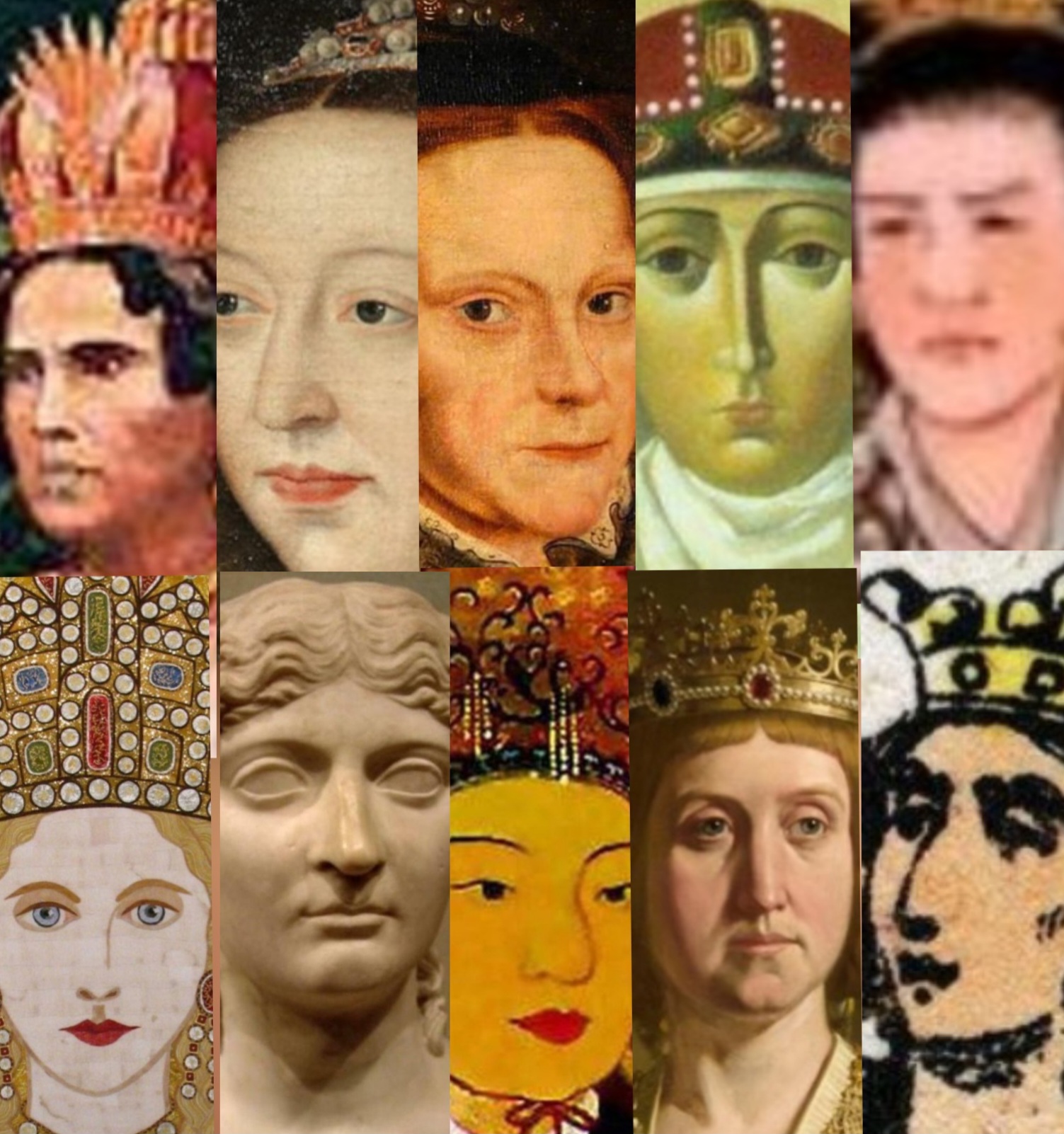
Power And Cruelty: A Historical Look at Some of History’s Most Ruthless Female Rulers
Throughout history, women have ruled kingdoms and empires with the same range of leadership styles as men—some celebrated for reforms and diplomacy, others remembered for violence, political intrigue and religious persecution. While some accounts have been confirmed by historians, others have been shaped by chroniclers, political rivals and centuries of legend.
Below is a historical look at several female rulers whose reigns remain among the most controversial in world history.
Isabella I of Castile (1451–1504) – Queen of Castile and León (Spain)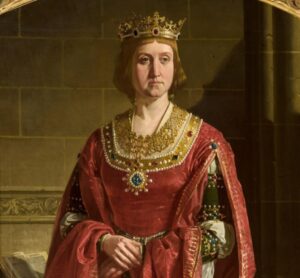
Ruled: Castile (1474–1504) and jointly with Ferdinand II over a unified Spain.
Queen Isabella I of Castile is remembered as one of Spain’s most influential monarchs. Together with her husband, King Ferdinand II of Aragon, she completed the Reconquista with the conquest of Granada in 1492, ending centuries of Muslim rule on the Iberian Peninsula.
That same year, the monarchs issued the Alhambra Decree, ordering Jews who refused to convert to Christianity to leave Spain. Muslims later faced similar pressure to convert or leave.
Isabella also supported the Spanish Inquisition, which investigated people suspected of secretly practising Judaism or Islam after conversion. Thousands were prosecuted, imprisoned, tortured or executed, although historians continue to debate the exact number of victims.
Irene of Athens (c. 752–803) – Byzantine Empress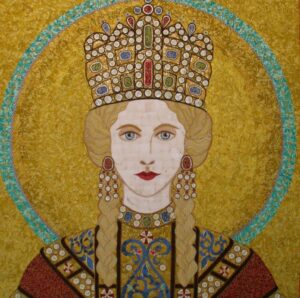
Ruled: Byzantine Empire (797–802)
Born in Athens, Irene became Empress after marrying Emperor Leo IV.
Following her husband’s death, she ruled as regent for her son Constantine VI. Their relationship later deteriorated into a struggle for power.
In 797, Irene ordered Constantine’s arrest and blinding. Most historical sources state he died shortly afterward from his injuries, allowing Irene to become the first woman to rule the Byzantine Empire in her own right.
Ranavalona I (1788–1861) – Queen of Madagascar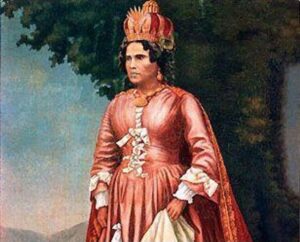
Ruled: Madagascar (1828–1861)
Few rulers have generated as much historical debate as Queen Ranavalona I.
Determined to preserve Madagascar’s independence from European influence, she expelled many foreigners and severely restricted Christianity.
Her reign was marked by forced labour, military campaigns and harsh judicial practices, including the notorious Tangena ordeal, a trial by poison.
Many historians estimate that Madagascar’s population declined dramatically during her reign because of war, famine, disease and forced labour, although the exact percentage remains disputed.
Mary I of England (1516–1558)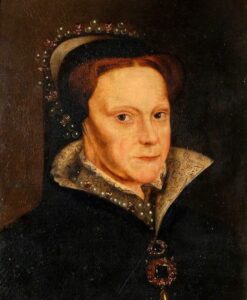
Ruled: England and Ireland (1553–1558)
Known to history as “Bloody Mary,” Queen Mary I sought to restore Roman Catholicism after England’s Protestant Reformation.
Between 1555 and 1558, about 280 Protestants were executed by burning for heresy.
Although her reign lasted only five years, these persecutions shaped her enduring reputation.
Empress Dowager Lü (d. 180 BCE) – Han Dynasty, China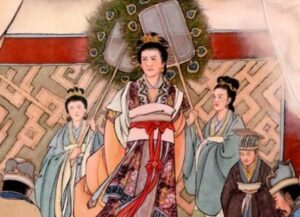
Following the death of Emperor Gaozu, Empress Dowager Lü became one of the most powerful figures in ancient China.
Chinese historical records accuse her of eliminating political rivals through executions and brutal punishments.
The most infamous account describes the torture of Lady Qi, a favourite concubine of the late emperor, who was allegedly mutilated and referred to as a “human swine.” While widely repeated in Chinese history, the account comes primarily from historical chronicles compiled after her lifetime.
Catherine de’ Medici (1519–1589) – Queen of France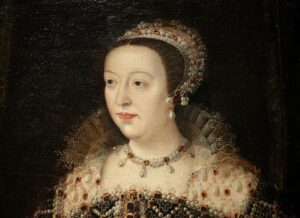
As Queen and later Queen Mother of France, Catherine de’ Medici wielded enormous influence during the French Wars of Religion.
She is frequently associated with the St. Bartholomew’s Day Massacre in 1572, during which thousands of French Protestants (Huguenots) were killed in Paris and across France.
Historians continue to debate the extent of her personal responsibility, but the massacre remains one of Europe’s darkest religious conflicts.
Olga of Kyiv (c. 890–969)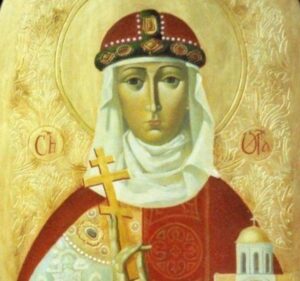
After the murder of her husband Prince Igor, Olga of Kyiv launched one of history’s most famous campaigns of revenge against the Drevlians.
According to medieval chronicles, she buried ambassadors alive, burned others inside a bathhouse and later destroyed the city of Iskorosten using birds carrying burning material.
Although parts of the story may have been embellished over time, Olga remains one of Eastern Europe’s most remarkable historical figures and was later canonised as a saint by the Eastern Orthodox Church.
Agrippina the Younger (15–59 CE) – Roman Empire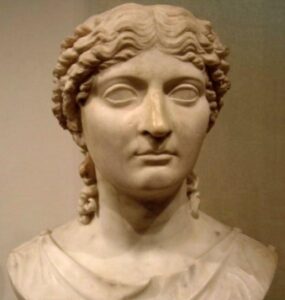
Agrippina the Younger became one of the most influential women in ancient Rome.
Roman historians claim she manipulated imperial politics, eliminated rivals and may have poisoned her husband, Emperor Claudius, to secure the throne for her son Nero.
Ironically, Nero later ordered her assassination in 59 CE.
Much of her reputation comes from Roman writers such as Tacitus and Suetonius, whose accounts may reflect political bias.
Wu Zetian (624–705) – China’s Only Female Emperor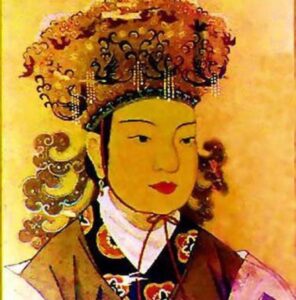
Ruled: Zhou Dynasty (690–705)
Wu Zetian remains the only woman to rule China as Emperor in her own name.
She strengthened the civil service examination system, promoted talented officials regardless of family background and expanded China’s influence.
However, traditional historians also accuse her of using secret police, political purges and executions to eliminate opponents.
One enduring story claims she murdered her infant daughter to frame a rival, though many modern historians question whether this accusation was later political propaganda.
Fredegund (c. 545–597) – Queen of Neustria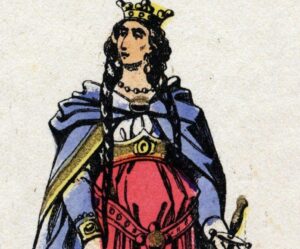
A servant who became queen, Fredegund rose to power during the Merovingian dynasty in what is now France.
She has long been accused of orchestrating political assassinations, including the killing of her husband’s former wife.
Her rivalry with Queen Brunhilda fuelled decades of warfare and political violence that destabilised the Frankish kingdoms.
A Legacy of Power and Controversy
History remembers these women not simply because they ruled, but because their decisions changed the course of nations. Some governed during periods of religious conflict, civil war or political instability, where brutality was common among rulers regardless of gender. Others have reputations shaped by historical records that remain contested by modern scholars.
Their stories continue to fascinate historians because they illustrate how power can be used for state-building, survival, reform—or, in some cases, repression. Distinguishing between documented facts, contemporary accounts and later legend remains essential when evaluating their legacies.
Power And Cruelty: A Historical Look at Some of History’s Most Ruthless Female Rulers
