

Bacha Posh – Afghanistan’s Centuries-Old Tradition of Girls Living as Boys
Bacha Posh – Afghanistan's Centuries-Old Tradition of Girls Living as Boys

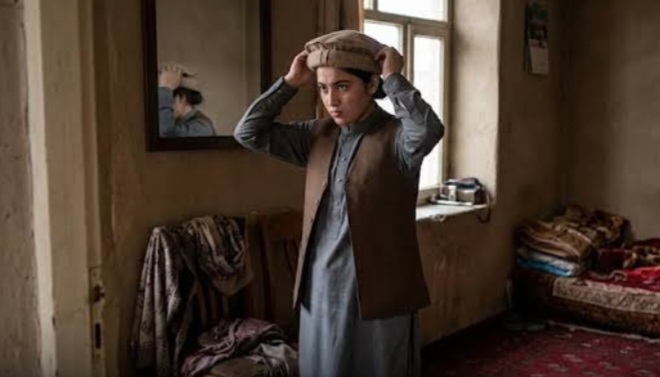
Bacha Posh – Afghanistan’s Centuries-Old Tradition of Girls Living as Boys
For generations in Afghanistan, some families have adopted an unusual cultural practice known as Bacha Posh, a Dari phrase meaning “dressed as a boy.” The tradition allows a girl to live as a boy for several years, granting her freedoms that are often unavailable to girls in conservative and deeply patriarchal communities.
Although the exact origin of Bacha Posh remains unknown, historians and researchers believe the practice is centuries old. The earliest documented evidence dates back to the early 20th century during the reign of Habibullah Khan (1901–1919), when photographs and historical accounts showed women and girls adopting male identities to perform roles that women were traditionally barred from undertaking.
Many scholars believe the custom may be much older, emerging from periods of war, social instability, and strict gender segregation when women disguised themselves as men for protection, mobility, or survival. Today, more than a century after it was first documented, Bacha Posh continues to exist in some Afghan communities.
A Daughter Raised as a Son
In many traditional Afghan households, sons are often regarded as essential for family prestige, economic support, and public representation. Families without male children may face social pressure and practical difficulties.
To overcome these challenges, some families choose one of their daughters to become a Bacha Posh. The girl adopts a male name, wears boys’ clothing, cuts her hair short, and is treated as a boy by family members, neighbours, and even schools.
Living as a boy often gives the child opportunities that many girls do not enjoy. She may attend school more freely, play sports, work outside the home, run family errands, and move around in public with fewer restrictions.
For families, the arrangement can provide practical benefits. A Bacha Posh may accompany female relatives in public, help support the household financially, or take on responsibilities traditionally assigned to sons.
Freedom and Opportunity
Many former Bacha Posh have described their experience as liberating.
As boys, they are often allowed to ride bicycles, play football, socialize openly, and participate more fully in public life. Some have spoken of the confidence and independence they gained during those years.
The practice highlights the stark contrast between the freedoms available to boys and those available to girls in some parts of Afghan society.
However, the arrangement is rarely permanent.
The Difficult Return to Girlhood
When a Bacha Posh reaches puberty, she is generally expected to return to living as a girl.
This transition often involves changing her clothing, behaviour, and social role to conform to traditional expectations of women. For many, the shift can be emotionally and psychologically challenging.
A child who spent years enjoying freedom and independence may suddenly face restrictions on movement, education, employment, and social interaction. Some former Bacha Posh have spoken publicly about feeling trapped between two identities and struggling to adapt to life as a young woman after years of being treated as a boy.
Researchers say the transition can create feelings of confusion, isolation, and loss, particularly for those who strongly identified with their male role during childhood.
A Reflection of Gender Inequality
Human rights advocates and social researchers often point to Bacha Posh as a powerful reflection of gender inequality in Afghanistan.
The existence of the practice demonstrates how access to education, mobility, employment, and personal freedom can still be heavily influenced by gender. Critics argue that no child should have to assume a different identity in order to enjoy opportunities that should be available to everyone.
At the same time, many families view the tradition as a practical response to social realities rather than a challenge to cultural norms.
From the Past to the Present
While Afghanistan has undergone significant political and social changes over the past century, Bacha Posh remains one of the country’s most fascinating and complex traditions.
Its roots stretch back at least more than 100 years in recorded history and likely much further. From the reign of Habibullah Khan in the early 1900s to modern-day Afghanistan, the practice has persisted as families navigate the challenges of living within a society where gender roles remain deeply influential.
Today, Bacha Posh continues to attract global attention because it tells a larger story—not only about identity and culture, but also about the resilience of Afghan families and the ongoing struggle for greater equality and opportunity for women and girls.
More than a century after it was first documented, the tradition remains a powerful reminder of how social expectations can shape lives, and how some families find extraordinary ways to adapt to them.
Bacha Posh – Afghanistan’s Centuries-Old Tradition of Girls Living as Boys
